
Reviewed · FULL-DAY
Luxor: West & East Banks & Tut’s Tomb Private Full-Day Tour
Luxor packs ancient Egypt into one extraordinary day. This private tour links the Valley of the Kings and Tutankhamun’s tomb with the major temples on both sides of the Nile, so you do not need to piece together taxis, tickets, and guides yourself. I especially like the private format, which lets you spend more time at the places that catch your eye. I also like that hotel transfers, entry fees, an English-speaking guide, and lunch are included. The main drawback is the pace: eight hours and roughly 13,000 steps can make this a tiring day, especially in summer.
The guides receive the strongest praise here. Mina, Manal, Salma, Mahmoud Issa, Nelly, Remon, and others are repeatedly described as warm, clear, and flexible. Just confirm the Tutankhamun ticket before you go, since one recent booking found it required an extra 700 Egyptian pounds despite the general description saying entry fees were included.
In This Review
- Key Points Before You Book
- Why This Private Luxor Tour Works
- Valley of the Kings: Three Tombs and One Famous Name
- Valley of the Queens: A Quieter Royal Cemetery
- Hatshepsut’s Temple and the Three Terraces
- The Colossi of Memnon: A Short Stop with Big Figures
- Lunch at a Local Restaurant
- Karnak Temple: The Day’s Grandest Scale
- Luxor Temple: A Fitting Final Stop
- Guides, Drivers, and the Private-Car Advantage
- Is $140 Good Value?
- Who Should Book This Eight-Hour Tour?
- Should You Book It?
- FAQ
- How long does the Luxor tour last?
- Is hotel transportation included?
- Which languages are available for the guide?
- Is the tour private?
- Are entry fees included?
- Is lunch included?
- Can I cancel the booking?
Key Points Before You Book
- Three royal tombs in the Valley of the Kings: The standard visit includes three tombs, with Tutankhamun’s tomb listed among them.
- A true two-bank itinerary: You see the royal burial grounds and Hatshepsut on the West Bank, then Karnak and Luxor Temple on the East Bank.
- Private timing matters: Your guide can allow extra time for photographs, shopping, or a favorite temple instead of moving a large group along.
- Lunch comes with a view: The local restaurant meal has been described as a good buffet, with one stop overlooking the greenery of the West Bank.
- Strong guide and driver pairing: Air-conditioned cars, punctual pickups, safe driving, and helpful guides are recurring strengths.
- Good value for a short Luxor stay: At $140 per person, the tour is most useful when you have only one full day and want the main sights handled in one booking.
Why This Private Luxor Tour Works
Luxor is split by the Nile into two very different sightseeing zones. The West Bank is a place of tombs and mortuary temples, tied to death and the afterlife. The East Bank is where ancient Thebes had its great religious center, with Karnak and Luxor Temple connected to royal ceremonies and the worship of Amun.
You cover both in eight hours. That is the great advantage. A private car handles the transfers, while your guide gives the monuments a human story rather than leaving you with a pile of dates and names.
This is not a quiet, slow archaeological study day. It is a high-yield introduction to Luxor. You move from tombs to temples, stop for lunch, and keep going. The schedule allows time at each place, but the whole day is full.
The private setup makes a real difference. Several bookings describe guides giving people time to wander and take photos after the main explanation. One solo visitor was also able to shop between stops and have time alone at the sites. That flexibility is harder to get on a large coach tour.
A few more Luxor outings to price up
- Luxor: Shared Full-Day Tour to Luxor West and East Banks
★ 4.5 · 1,812 reviews - Full Day Tour to East and West Banks of Luxor
★ 5.0 · 1,449 reviews - Luxor : Full Day Tour to Luxor West and East Banks & Lunch
★ 5.0 · 870 reviews
Valley of the Kings: Three Tombs and One Famous Name
The day begins on Luxor’s West Bank with about two hours in the Valley of the Kings. This dry valley became the burial ground for Egyptian rulers, who were placed in rock-cut tombs rather than large pyramids.
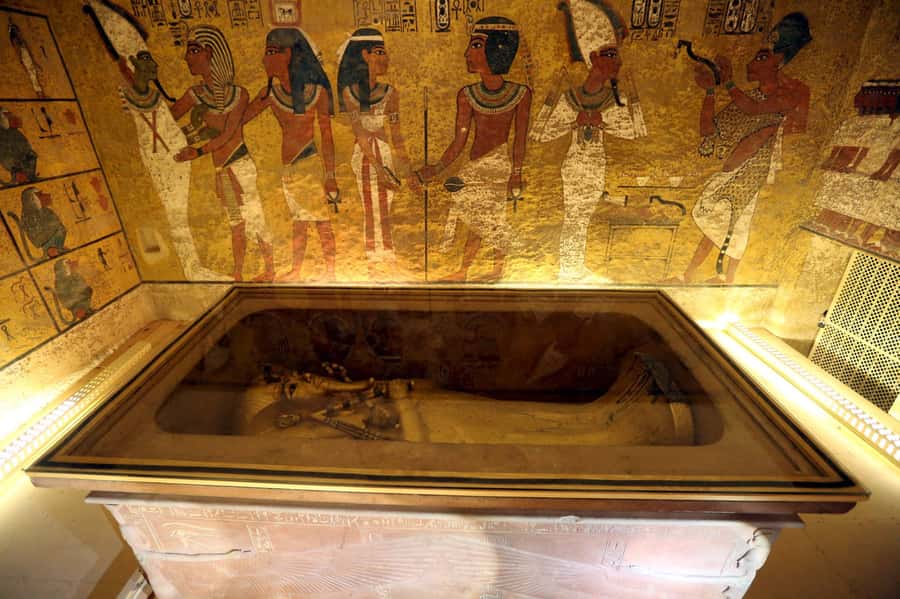
Your admission includes access to three tombs in the valley. The tour also lists Tutankhamun’s tomb, the small burial place made famous by the discovery of the young king’s largely intact burial treasure.
The tomb itself is not the largest in the valley. That is worth knowing before you arrive. Its fame comes from Tutankhamun and the extraordinary discovery associated with him, not from size. Inside, you can expect a more intimate experience than the huge temple courtyards later in the day.
One important detail needs checking. The activity description says entry fees are included, but a December 2025 booking specifically reported that Tutankhamun’s entrance cost an additional 700 Egyptian pounds. The same person recommended paying extra for the tombs of Ramesses V and VI, which contain especially well-preserved and colorful decoration.
Ask your guide exactly which three tombs are covered and which optional tombs cost more. This prevents a surprise at the ticket office and helps you decide where to spend your money. If decorated ceilings and wall paintings interest you most, Ramesses V and VI may be a better extra choice than simply assuming the most famous tomb is the best one.
The valley involves walking over hot, uneven ground and entering tombs with sloping passages. Wear shoes with a firm sole, carry water, and take the heat seriously. Guides such as David and Remon were praised for planning around hot conditions, while other guides made sure people had time to rest and stay hydrated.
Valley of the Queens: A Quieter Royal Cemetery
The next stop is the Valley of the Queens, planned for about an hour. This cemetery contains the tombs of queens, princesses, and other high-ranking officials.
The name can create the wrong expectation. This is not simply a smaller copy of the Valley of the Kings. It offers a different view of royal burial and the people connected to the ruling family. Your guide can help explain who was buried there and how the site fits into the wider religious system of ancient Egypt.
An hour is enough for a guided visit, but you will not have unlimited time to inspect every corner. If you are especially interested in the queens’ tombs, tell your guide early. The private group means you can make that preference clear instead of following a fixed script.
The West Bank visits also help you understand how ancient Egyptians separated the world of the living from the world of the dead. The Nile crossing is not just a modern sightseeing division. It gives the day a useful structure: royal death and burial in the morning, temples and worship later.
Hatshepsut’s Temple and the Three Terraces
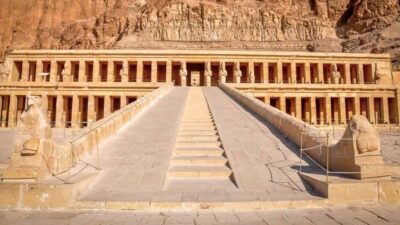
The Mortuary Temple of Hatshepsut follows the two valleys. You get about an hour at this monument, built against the cliffs of Deir el-Bahari.
Hatshepsut ruled as pharaoh and is often shown with the symbols of kingship. Her temple was designed to impress, with three broad terraces rising from the desert floor toward the cliffs. The design feels unusually formal and carefully staged, especially after the enclosed tombs of the morning.
This is one of the places where a guide adds real value. Without explanation, you see terraces, columns, reliefs, and a dramatic setting. With a good guide, you begin to understand Hatshepsut’s position, the purpose of a mortuary temple, and how architecture supported royal authority.
Mina was praised for giving clear explanations, then allowing plenty of time for photos. Salma was also singled out for taking care not to rush people. That is the right balance here. You want the story first, then a few quiet minutes to look across the terraces and take in the scale.
The temple is exposed, with little shade mentioned in the tour details. A hat, water, sunscreen, and light clothing are sensible. The car’s air conditioning becomes more than a comfort between stops. In summer, it is part of what makes the itinerary manageable.
Same base, a completely different sort of day:
- Hurghada: Luxor Valley of the Kings & Tutankhamun Tomb Trip
★ 4.7 · 13,208 reviews - Luxor Day Trip from Hurghada Small Group & Tutankhamun Tomb
★ 4.8 · 5,366 reviews - Hot Air Balloon Ride in Luxor Egypt with Transfers Included
★ 5.0 · 4,319 reviews - Luxor: Hot Air Balloon Ride over Luxor Relics
★ 4.8 · 1,681 reviews
The Colossi of Memnon: A Short Stop with Big Figures
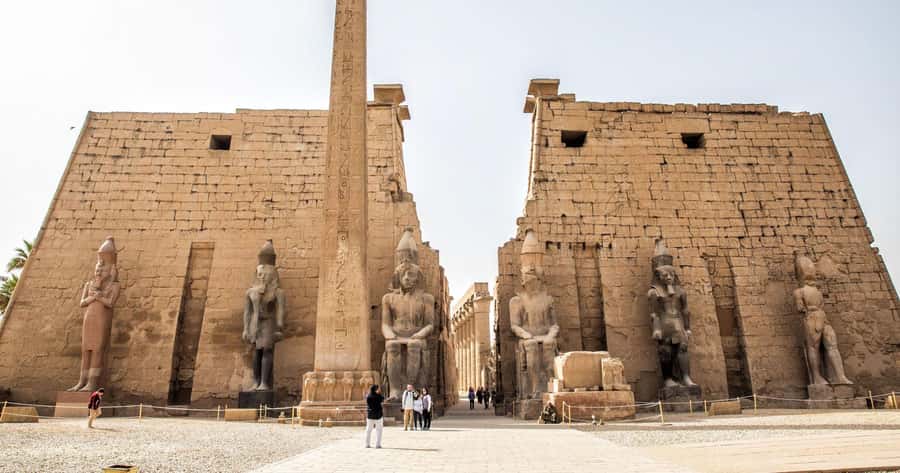
The Colossi of Memnon takes about 30 minutes. These two giant seated statues once guarded the mortuary temple of Amenhotep III.
This is a brief roadside-style stop compared with Karnak or the Valley of the Kings. You will not spend half a day here, and you should not expect a large intact temple complex surrounding the statues. The value is visual: two huge royal figures, a useful pause between major sites, and a chance to hear about the temple that once stood behind them.
Your guide can also explain why the statues matter in the story of Amenhotep III and the royal building projects of the period. The stop is short enough to keep the day moving, but it gives you a break from the enclosed tombs and long temple walks.
Lunch at a Local Restaurant
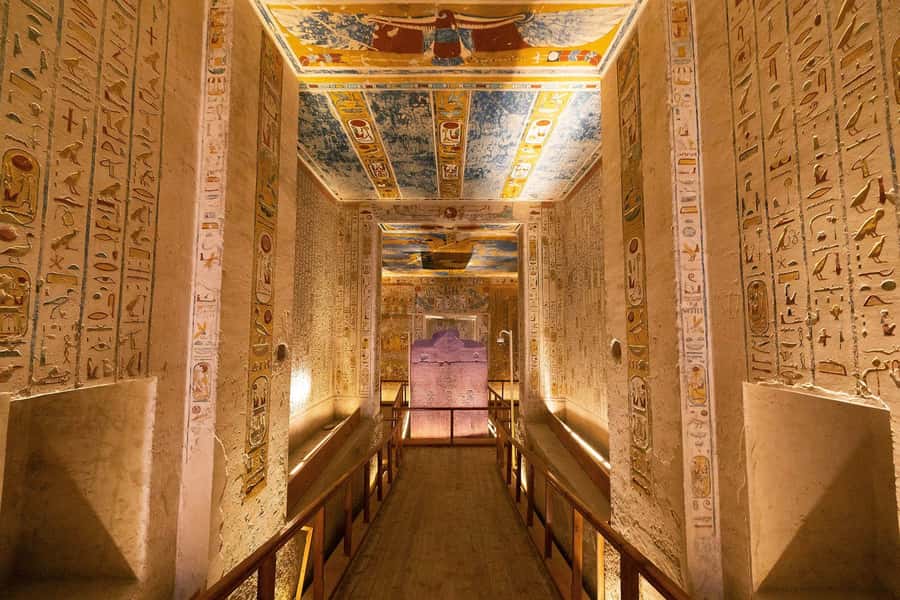
Lunch comes after the West Bank visits, at a local restaurant. It is included in the tour price and is described as a buffet meal. One booking praised the food and the terrace view over the greenery of the West Bank.
Drinks cost extra, so keep that small point in mind. The meal appears intended as a practical break rather than a long culinary event. That suits this schedule. You can eat, rest, and cool down before crossing to the East Bank.
Food needs can usually be discussed with your guide. At one lunch stop, a different rice preparation was arranged for a guest avoiding gluten. That does not guarantee every dietary request, but it is a good reason to mention your needs early in the day.
The lunch stop is also useful because it breaks up the emotional and physical rhythm of the morning. Tombs and temples can blur together when you are hot and tired. A proper sit-down meal helps you reset before Karnak.
Karnak Temple: The Day’s Grandest Scale
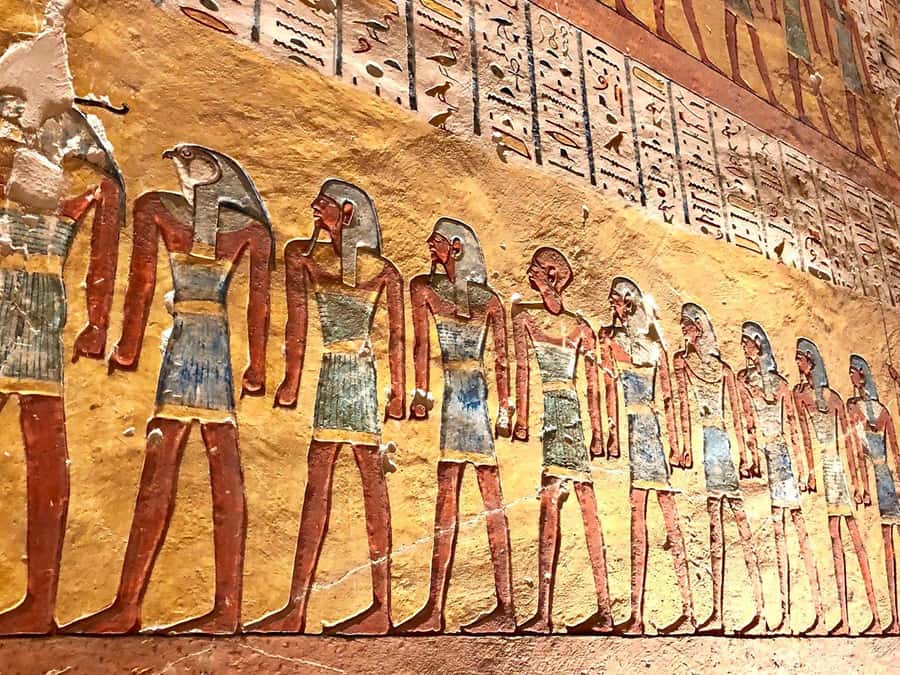
Karnak receives about two hours, and that is sensible. It is not one single building but a vast temple complex dedicated mainly to Amun, along with his wife Mut and their son Khonsu, the Theban Triad.
This is where the day’s scale reaches another level. You move through courts, columns, gateways, and sacred spaces built and expanded over many centuries. The site can feel overwhelming at first. Let your guide give you a route and a framework, then use your free time to look closely at the carvings and spaces that interest you.
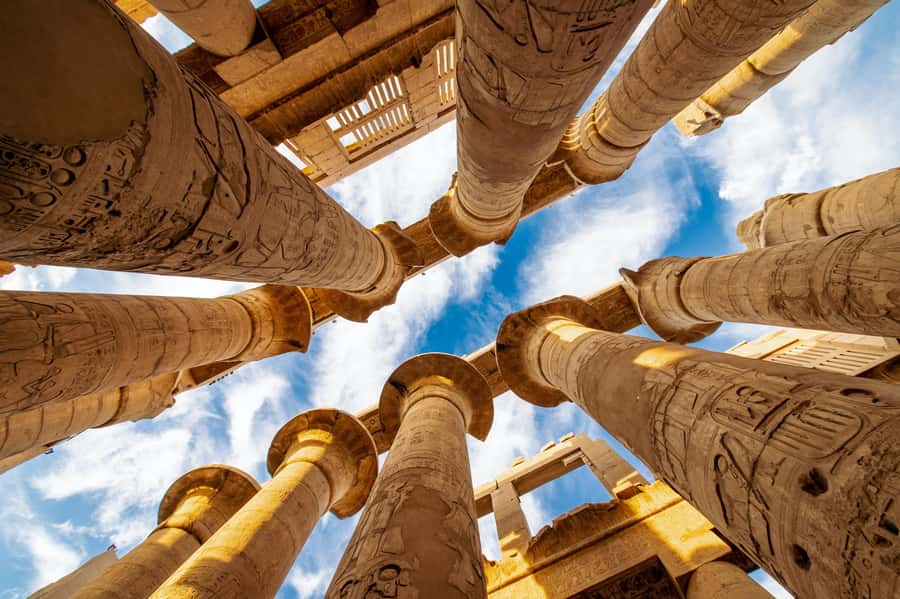
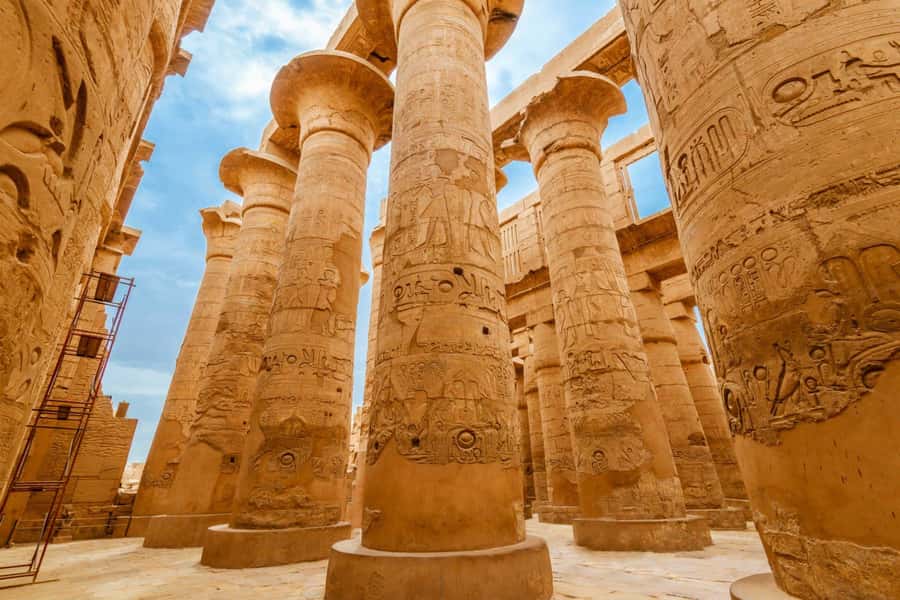
The Great Hypostyle Hall is the visual star for many people, with its forest of massive columns. Yet Karnak is more than one famous hall. Its power comes from the way successive rulers added to an already important religious center.
A good guide is particularly useful here because the complex contains layers of construction and religious meaning. Mina, Hasan, Salma, Mahmoud Issa, and others were praised for explaining the monuments in accessible English and answering questions without turning the day into a lecture.
One useful caution came from a June booking: two hours was enough for an excellent visit, but not enough to see every part in depth. If Karnak is your main interest, you may want to return independently for a longer look. The private tour gives you a strong first visit, not an exhaustive study.
Luxor Temple: A Fitting Final Stop
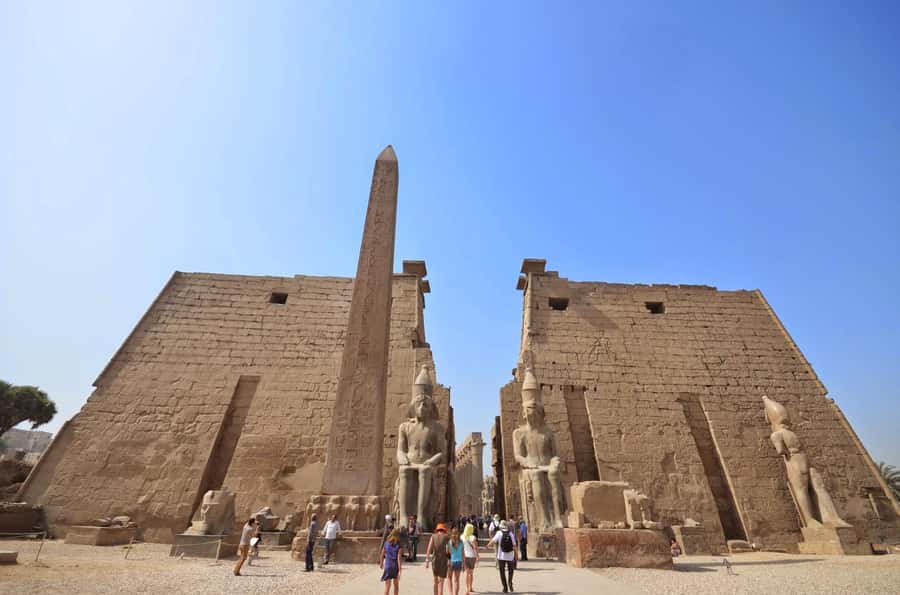
The final monument is Luxor Temple, planned for about an hour. Amenhotep III began it, and Ramesses II completed major parts of it. Unlike a cemetery on the West Bank, this was a temple in the heart of ancient Thebes, linked to royal ritual and the worship of the gods.
Luxor Temple works well at the end because its story connects with Karnak. Your guide can explain the relationship between the two complexes and the Theban religious tradition. You will see monumental gateways, columns, statues, and layers of later use that show how important the site remained.
An hour gives you enough time for the main route and photographs. It does not allow a slow, scholarly inspection of every relief. Still, after the huge scale of Karnak, Luxor Temple offers a more concentrated finish.
The tour then returns you to your Luxor hotel. That simple detail matters after a long day. You do not need to negotiate a taxi at the end, find a driver, or remember which side of the river you are on.
Guides, Drivers, and the Private-Car Advantage
The guide can make or break a day like this. The most praised guides include Mina, Manal, Salma, Mahmoud Issa, Nelly, Remon, David, Asma, Esraa, Fathy, and Gabriel. Their strengths are repeated in different ways: clear English, strong command of ancient Egyptian history, patience, humor, and a willingness to adjust the schedule.
The best pattern is simple. The guide explains the site, points out the details you would probably miss, answers questions, and then gives you space. That is more useful than a nonstop speech.
Drivers also receive strong praise. Cars have air conditioning, pickups are described as punctual, and drivers often wait near the entrance so you do not have to search for the vehicle. Mohammed, Ihab, Essam, George, Emad, Makarous, and others were praised for safe driving and polite service.
The private car also helps with small but meaningful needs. One guide took a guest to a pharmacy before sightseeing and later called a railway station about a train to Cairo. Those are not guaranteed services, but they show the practical value of having a local guide focused on your group.
Is $140 Good Value?
At $140 per person, this is not the cheapest way to see Luxor. It is also not simply a transfer service. You are paying for a full private day, hotel pickup and return, a guide, transportation, lunch, and the listed admission fees.
The value is strongest if you have one or two days in Luxor and want to cover the major monuments without arranging separate cars and tickets. It is also useful for solo visitors, couples, and families who value control over the pace.
The value is less clear if you are staying several days and prefer to explore slowly. Karnak alone deserves more than two hours for some people, and the West Bank has more archaeological sites than this schedule can include.
Check the Tutankhamun supplement before booking or at pickup. The price looks better when the listed admission fees are truly included. If the famous tomb costs an extra 700 Egyptian pounds, add that to your budget. Drinks at lunch are also separate, and optional tombs such as Ramesses V and VI may cost extra.
Who Should Book This Eight-Hour Tour?
I would choose this tour if you want the main Luxor sights in one organized day, especially if you have limited time. It suits first-time visitors who want context, a private vehicle, and help making sense of a very large number of monuments.
It also suits solo visitors. A private guide can adjust the pace, explain details, and give you room to take photographs without attaching you to a large group.
You should think twice if heat and long walks are a problem. This is a physically active day, with exposed temple grounds, tomb entrances, and repeated stops. The tour has rest breaks and an air-conditioned car, but it remains a demanding schedule.
For serious Egyptology fans, this is best treated as a strong overview. You will see the essential sites, but you will not inspect every tomb and corner of Karnak. Use the private format to tell your guide what matters most.
Should You Book It?
Book this Luxor tour if convenience, coverage, and personal guiding matter more to you than a slow pace. The combination of the Valley of the Kings, Tutankhamun’s tomb, the Valley of the Queens, Hatshepsut, Karnak, and Luxor Temple gives you a powerful first look at both banks of the Nile.
I like the way the day mixes famous monuments with practical support: a private car, a local lunch, hotel transfers, and time for questions and photographs. The guide quality appears to be the biggest strength, but request confirmation of the guide’s language and the exact ticket arrangement, especially for Tutankhamun’s tomb.
FAQ
How long does the Luxor tour last?
The tour lasts eight hours, including pickup from and return to your hotel in Luxor.
Is hotel transportation included?
Yes. Hotel pickup and drop-off in Luxor are included.
Which languages are available for the guide?
Live guiding is available in Arabic and English.
Is the tour private?
Yes. The activity is described as a private group tour.
Are entry fees included?
Entry fees are listed as included, but one recent booking reported paying an additional 700 Egyptian pounds for entry to Tutankhamun’s tomb. Confirm this specific ticket before the visit.
Is lunch included?
Yes. Lunch at a local restaurant is included. Drinks are separate.
Can I cancel the booking?
You can cancel up to 24 hours in advance for a full refund. The tour also offers reserve now and pay later booking.
Newly listed around Luxor
- Luxor Nile River Private Felucca Ride at Sunset★ 4.5 · 20 reviews
- Marvelous Luxor East and West Bank Private Tour with Lunch From Airport /Hotels★ 4.5 · 17 reviews
- Private tour : Sunset Felucca Ride in Luxor★ 5.0 · 16 reviews
- 3-Day Luxor Aswan and Abu Simbel Historical Sites Private Tour★ 5.0 · 34 reviews
- First impression of Luxor-Explore secrets of Luxor by horse carriage★ 5.0 · 50 reviews
- Nile cruise between Luxor and Aswan: Sail the best temples in Egypt★ 5.0 · 72 reviews
- Experience the Magic of a Luxor Sunrise Hot Air Balloon Ride★ 5.0 · 17 reviews
- 5 Days 4 Nights from Luxor to Aswan on Gentle Breeze Dahabyia★ 4.5 · 24 reviews
Full-Day, compared.

Shared Full-Day Tour to Luxor West and East Banks
Read our review →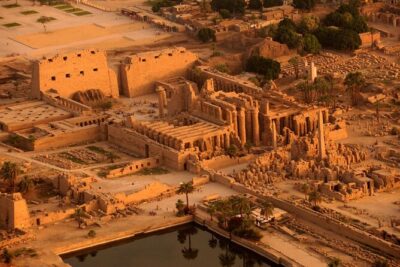
Full Day Tour to East and West Banks of Luxor
Read our review →
Private Full-Day Tour of Historical Alexandria
Read our review →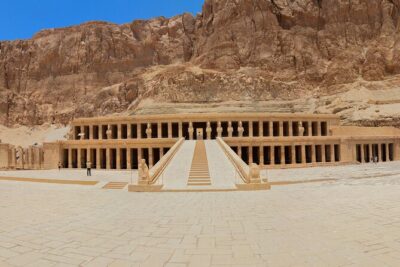
Full Day Tour to Luxor West and East Banks & Lunch
Read our review →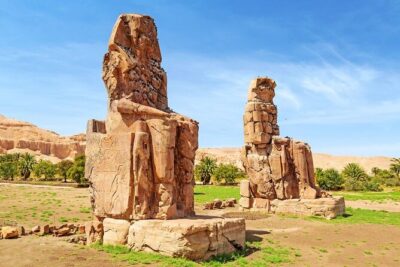
Full Day Tour of Luxor West Bank Temples and Tombs (Private)
Read our review →Browse the lists this tour appears in