
Reviewed · VALLEY OF THE KINGS TOURS
Luxor: Shared tour to Valley of Kings, Habu, Memnon & Lunch
Ancient tombs reward a careful morning. This five-hour Luxor tour packs the Valley of the Kings, Medinet Habu, and the Colossi of Memnon into a sensible West Bank route, with hotel pickup, an Egyptologist guide, and lunch included. I like the compact plan and the strong guiding, especially when guides such as Aladdin, Reem, Nermeen, Adam, and Demiana turn carved walls into understandable stories. The main point to check is whether entrance tickets are included in the option you select.
I also like the small-group setup, which keeps transport simple without forcing you into a large coach crowd. The tour costs $40 per person, a fair price when lunch, transport, guide service, taxes, and service charges are covered. Still, drinks at lunch can cost extra, and the shared format means pickup times and group size may vary.
In This Review
- Key points to know before booking
- Why this half-day West Bank tour works
- Valley of the Kings: tombs, heat, and smart choices
- Medinet Habu: the colorful temple most people miss
- Colossi of Memnon: a brief stop with a big story
- Lunch at a local restaurant
- Guides, language, and the value of interpretation
- Is $40 a fair price?
- Who should book this Luxor tour?
- Should you book it?
- FAQ
- How long does the Luxor shared tour last?
- What sites are included in the route?
- Is lunch included?
- Are entrance fees included?
- Which languages are available?
- Can I cancel the booking?
Key points to know before booking
- Three major West Bank sights in five hours: The route focuses on the Valley of the Kings, Medinet Habu, and the Colossi of Memnon.
- Guiding is the main strength: Aladdin, Reem, Nermeen, Adam, Demiana, Hassan, and other guides have been praised for clear English, patience, and lively explanations.
- The Valley of the Kings visit is structured: You generally have time to see the three tombs allowed by the standard entry ticket, with Tutankhamun’s tomb available as an extra option.
- Medinet Habu may be the surprise favorite: Its colored reliefs and detailed battle scenes often leave a stronger impression than first-time visitors expect.
- Lunch is part of the deal: A local restaurant meal is included, although drinks may be charged separately.
- Check the ticket option carefully: Entrance fees are included only if you choose the option that includes them.
Why this half-day West Bank tour works
Luxor can feel scattered at first. The city sits on the east bank of the Nile, while many of its most famous ancient sites are across the river. This tour handles that basic problem for you with hotel pickup and drop-off, a driver, and a guide who keeps the morning moving.
The advertised duration is five hours. That is short enough to fit around other plans, such as an afternoon on the Nile or a visit to Luxor Temple, but long enough to cover three important stops and lunch. Some outings have lasted more than six hours when the group needed extra time, but you should treat five hours as the working schedule.
The group is described as small and shared. That gives you company and lowers the cost compared with a private tour. It also leaves room for the occasional surprise: one solo booking ended up with only the guide and driver, while other departures included a small group. You cannot count on a private experience, but the format can sometimes feel more personal than the price suggests.
The strongest part of the morning is the guide service. Guides including Aladdin, Reem, Nermeen, Adam, Poula, George Tanagho, Hassan, and Demiana have been praised for good English, warmth, and clear explanations. One useful detail is that Adam built the historical background before each monument, helping visitors connect the story with what they were seeing. That approach matters in Egypt, where a wall covered in figures can otherwise become a blur of names and symbols.
More West Bank and Valley of the Kings days:
- Hurghada: Luxor Valley of the Kings & Tutankhamun Tomb Trip
★ 4.7 · 13,208 reviews - Luxor Day Tour: Valley of Kings & Queens & Hatchepsut Temples
★ 5.0 · 1,496 reviews - Luxor: Valley of the Kings and Hatshepsut Temple Day Tour
★ 4.4 · 1,404 reviews
Valley of the Kings: tombs, heat, and smart choices
The Valley of the Kings comes first, and that is sensible. You begin with the site most people associate with Luxor, before the day gets further along and before the desert heat has had more time to build.
This was the royal burial ground on the west bank for Egypt’s New Kingdom pharaohs. The site contains 63 known royal tombs, though not every tomb is open at the same time. A standard entry ticket generally allows access to three tombs, and your guide can help explain what is open and how to use your time.
Do not judge the tombs from the outside. The real display is underground, where corridors and chambers carry painted scenes, hieroglyphs, and images linked to the pharaoh’s journey after death. Color remains one of the great surprises here. The dry climate helped preserve shades that can look remarkably fresh after thousands of years.
Your guide’s explanation is especially useful inside the valley. You will hear about the purpose of the tombs, the beliefs connected with burial, and the rulers linked to each site. The stories give order to the visit, so you are not simply walking into one decorated chamber after another.
The three-tomb limit is worth remembering when planning your expectations. You can see a lot in a short time, but you cannot inspect every open tomb on one ticket. If you have a particular interest, tell the guide early. One visitor specifically asked to add Tutankhamun’s tomb and received help and extra information about the young pharaoh’s reign.
Tutankhamun’s tomb is not included automatically in the standard three-tomb allowance. It requires an additional ticket, so decide before you arrive if seeing it matters to you. The tomb itself is smaller than many people expect, but its importance comes from the discovery of Tutankhamun’s largely intact burial treasure, not from sheer size.
Wear practical footwear and bring water. The tour includes walking, uneven surfaces, and steps into and out of tombs. The supplied information does not specify accessibility arrangements, so anyone with mobility concerns should ask the operator before booking.
Photography is an important part of the visit for many people, but follow the current rules at the site and listen to your guide. A guide can also help you find better angles for group pictures without turning every stop into a long photo session.
Medinet Habu: the colorful temple most people miss
Medinet Habu follows the Valley of the Kings. This temple complex was built for Ramses III and is one of the most rewarding stops on the route. If the royal tombs feel intimate and enclosed, Medinet Habu gives you broad walls, tall gateways, open courts, and long relief panels.
The colors are the first thing to catch your eye. Paint survives on many of the carved surfaces, giving the temple more visual punch than you might expect from photographs. Bring your attention close to the walls, too. The decoration is not only about grand kings and gods. It includes small details, movement, clothing, weapons, and scenes of ritual life.
One scene highlighted during the visit is the oxen hunt on the back of the southern tower. Ramses III is shown in his chariot hunting wild oxen, while the wounded animals are rendered with careful attention to pain and movement. It is a striking reminder that ancient Egyptian art could be formal and highly observant at the same time.
This is where a good Egyptologist earns the cost of the tour. Without context, you may see a repeated royal figure and assume the panels are all alike. With an explanation, the walls become records of power, war, worship, and the way Ramses III wanted his reign remembered.
Medinet Habu is also a good place for photographs. The color, scale, and carved surfaces offer more variety than a single tomb chamber. Your guide may help with pictures, as Adam did for one group, but keep some time for simply looking. The temple rewards slow attention.
The drawback is that the temple can be more tiring than expected if you have already walked through several tombs. The five-hour schedule keeps the visit focused, but you will not have unlimited time to study every wall. If Medinet Habu is your priority, tell the guide so the pace suits you.
Colossi of Memnon: a brief stop with a big story
The Colossi of Memnon are usually the final monument stop. These two huge seated statues once formed part of the entrance to the mortuary temple of Amenhotep III. The temple itself suffered heavy damage, but the statues remain a powerful sight beside the road.
The stop is shorter than the Valley of the Kings or Medinet Habu. That is not a weakness. The Colossi work well as a final outdoor pause, giving you a chance to step out, take photographs, and hear how Egyptian beliefs shaped the way monuments were understood.
The statues are also linked with an ancient acoustic story. One figure was said to produce a sound at dawn, a phenomenon associated with the damaged stone and changing temperature. The Roman emperor Hadrian is known to have visited the site, and the statues gained fame as an acoustic wonder of the ancient world.
Your guide can explain the difference between the popular name, Colossi of Memnon, and the statues’ Egyptian connection with Amenhotep III. That small piece of context prevents the stop from becoming only a quick photo opportunity.
You should expect crowds and traffic around the roadside monument, though the exact conditions vary. Keep your belongings close, listen for the meeting point, and use the stop efficiently. It is a good place for a final group photograph before lunch.
A few more Luxor outings to price up
- Luxor : Full Day Tour to Luxor West and East Banks & Lunch
★ 5.0 · 870 reviews - Luxor: Karnak Temple and Luxor Temple Tour with Lunch
★ 4.4 · 658 reviews - From Luxor: Guided Tour to East or West Banks with Lunch
★ 4.5 · 604 reviews - Luxor: Abu Simbel Temple Private Guided Day Trip with Lunch
★ 4.6 · 546 reviews
Lunch at a local restaurant
After the monuments, the tour includes an Egyptian lunch at a local restaurant. This is more than a useful meal break. Egyptian food gives the morning a change of pace, and several menu descriptions praise the meal as tasty, varied, or delicious.
One restaurant had a view of the Colossi of Memnon, which adds a memorable setting to the meal. The exact restaurant and menu can vary, so do not book this expecting one fixed dish. The important point is that lunch is arranged and included rather than left for you to solve after a hot morning outdoors.
Drinks deserve a practical warning. The meal is included, but one account specifically found the drinks unusually expensive. Ask for the price before ordering anything beyond the included food. That simple question can prevent a small bill from becoming an annoying surprise.
Lunch also gives you a chance to ask the guide about anything that caught your interest. Guides such as Nermeen and Hassan have been praised for helping with practical matters beyond the monuments, including an ATM question and airport transfer advice. That kind of friendly help is not a formal feature you should demand, but it can make the morning feel easier.
Guides, language, and the value of interpretation
The tour offers live guiding in Arabic, English, French, German, and Spanish. English guiding is included, while Spanish, German, and French may be available as an add-on depending on the option you choose.
The guide can make or break an ancient-site visit. Here, the most praised qualities are not just facts. People have valued guides who explain clearly, answer questions, stay patient, and adjust the pace. Aladdin was praised for bringing the sites to life without rushing. Reem was noted for friendly, polished English and a calm manner. Nermeen was described as easy to talk with and deeply interested in sharing the subject.
You should still confirm your preferred language at booking. The general activity information lists several languages, but the included option specifically identifies an English-speaking guide. If you need French, German, or Spanish, check the supplement and guide arrangement before paying.
A shared tour requires some flexibility. The guide must balance different interests, walking speeds, and photo stops. If you want long visits in every tomb or a detailed archaeological discussion at each wall, a private tour may suit you better. If you want a well-organized introduction to the main West Bank sights, the shared format is a good match.
Is $40 a fair price?
At $40 per person, this tour offers good value for a five-hour outing if you choose the package with entrance fees included. You receive hotel pickup and drop-off, transport, an English-speaking guide, lunch, taxes, and service charges. That removes several small costs and saves you from arranging separate transport across the Nile.
The ticket wording needs care. The activity details say entrance fees are included if that option is selected, while one booking experience reported paying separately for the Valley of the Kings, Medinet Habu, and other sites. Treat the ticket option as a decision point, not a footnote. Compare the final price with and without tickets before confirming.
The value also depends on what you want from Luxor. You are paying for interpretation and coordination, not just a ride between monuments. A guide who explains the tomb paintings, points out the oxen hunt, handles tickets, and keeps the group on schedule can save you time and confusion.
The price is less compelling if you want a very slow archaeological visit or complete control over the route. In that case, a private arrangement may be worth the extra cost. For a first look at the West Bank, though, $40 is a practical starting point.
Who should book this Luxor tour?
I would choose this tour if you have one morning in Luxor and want the major West Bank highlights without building the transport plan yourself. It suits couples, families, solo visitors, and friends who like having a guide but do not need a private vehicle.
It is also a good option for first-time visitors who want history explained in plain language. The guides have shown particular strength in connecting background information with what you see in front of you, which helps the Valley of the Kings and Medinet Habu feel like related places rather than isolated monuments.
Families should note the walking and heat, especially in the valley. The five-hour format is manageable, but children may need water, pauses, and a reasonable pace. Solo visitors can also benefit from the shared arrangement, since pickup, transport, and lunch are handled for them.
This is not the best choice if you want to visit every tomb, spend half a day at Medinet Habu, or guarantee a specific guide. The names praised for their service include Aladdin, Reem, Nermeen, Adam, Hassan, Demiana, Poula, and George Tanagho, but guide assignment depends on availability.
Should you book it?
Book this tour if you want a friendly, efficient introduction to Luxor’s West Bank at a sensible price. The best reasons are the compact route, strong guide reports, included lunch, and hotel transport. Medinet Habu is the surprise advantage, while the Valley of the Kings supplies the headline attraction.
Before confirming, check three things: the exact starting time, the entrance-fee option, and the language supplement if you need anything besides English. Ask about drinks at lunch, and decide in advance if Tutankhamun’s tomb is worth an extra ticket.
With those details clear, this is a well-priced way to see three important Luxor sights without spending the whole day in a vehicle or sorting out the logistics yourself.
FAQ
How long does the Luxor shared tour last?
The stated duration is five hours. Some outings may run longer, but you should plan around the advertised five-hour schedule.
What sites are included in the route?
The route visits the Valley of the Kings, Medinet Habu, and the Colossi of Memnon, followed by lunch at a local restaurant.
Is lunch included?
Yes. Lunch at a local restaurant is included. Drinks may cost extra, so ask about drink prices before ordering.
Are entrance fees included?
Entrance fees are included only if you select the option that includes them. Check the final booking option carefully, since tickets may otherwise be paid separately.
Which languages are available?
The tour offers Arabic, English, French, German, and Spanish guiding. English is identified as the included guide language, while other languages may require an add-on.
Can I cancel the booking?
You can cancel up to 24 hours in advance for a full refund. The activity also offers reserve now and pay later booking.
Newly listed around Luxor
- Luxor Nile River Private Felucca Ride at Sunset★ 4.5 · 20 reviews
- Marvelous Luxor East and West Bank Private Tour with Lunch From Airport /Hotels★ 4.5 · 17 reviews
- Private tour : Sunset Felucca Ride in Luxor★ 5.0 · 16 reviews
- 3-Day Luxor Aswan and Abu Simbel Historical Sites Private Tour★ 5.0 · 34 reviews
- First impression of Luxor-Explore secrets of Luxor by horse carriage★ 5.0 · 50 reviews
- Nile cruise between Luxor and Aswan: Sail the best temples in Egypt★ 5.0 · 72 reviews
- Experience the Magic of a Luxor Sunrise Hot Air Balloon Ride★ 5.0 · 17 reviews
- 5 Days 4 Nights from Luxor to Aswan on Gentle Breeze Dahabyia★ 4.5 · 24 reviews
Valley of the Kings Tours, compared.
Luxor Valley of the Kings & Tutankhamun Tomb Trip
Read our review →
Small group Hurghada to Luxor, Valley of the Kings by Van
Read our review →Luxor Day Tour: Valley of Kings & Queens & Hatchepsut Temples
Read our review →Valley of the Kings and Hatshepsut Temple Day Tour
Read our review →
Luxor Tour with Valley of Kings, Karnak & Tut Tomb
Read our review →
Valley of Kings, Hatchepsut Temple ,Karnak & Luxor-DayTour
Read our review →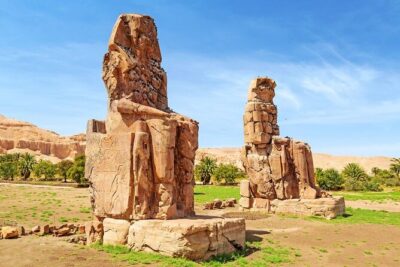
Full Day Tour of Luxor West Bank Temples and Tombs (Private)
Read our review →
Small Group Excursion to Luxor Valley of the Kings from Hurghada
Read our review →Browse the lists this tour appears in