
Reviewed · NILE CRUISES
5-Day Nile Journey on a Dahabiya Cruise from Luxor to Aswan
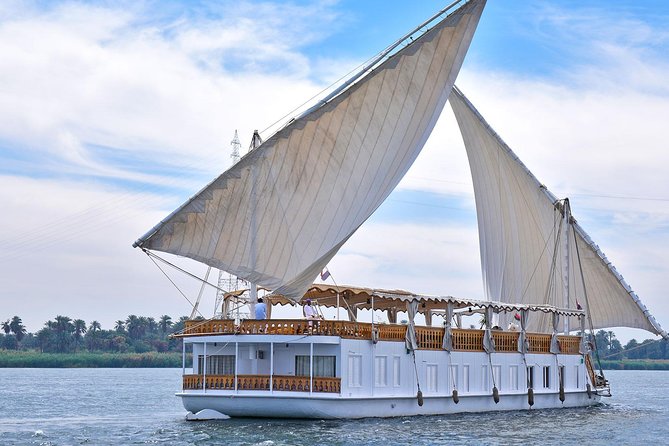
The Nile is best seen at river speed. This five-day trip combines Egypt’s major Upper Egypt sights with quiet sailing aboard a traditional dahabiya, a smaller Egyptian sailboat that offers a more personal setting than a large cruise ship. You visit the Valley of the Kings, Karnak, Edfu, Kom Ombo, and Philae while moving south toward Aswan.
I like the balance between famous monuments and slower hours on the water. I also like that an Egyptologist guide leads the sightseeing, rather than leaving you to decode enormous temples on your own. The main drawback is the price: at $3,475.75 per person, this is a serious splurge, and the schedule includes several early starts and long touring days.
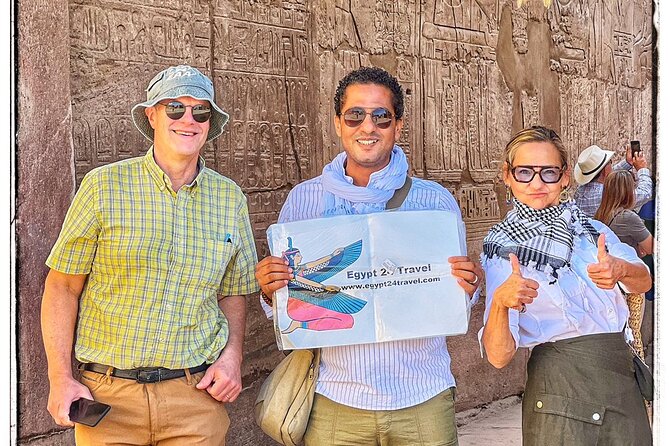
The experience is operated by Luxor Cultural Tours and Package, also known as Egypt 24 Travel. Past departures have featured guides named Ahmed, Omar, and Nasr, with particularly strong praise for their storytelling, care, and command of ancient Egyptian history. Since the assigned guide can vary, confirm the name and language before you book.
In This Review
- What makes this Nile cruise worth considering
- A dahabiya gives the Nile room to breathe
- Day one: Luxor’s royal tombs and monumental temples
- Day two: Edfu and the stone at Gebel el Silsila
- Day three: the double temple at Kom Ombo
- Day four: dams, quarries, and the island temple of Philae
- Day five: an easy finish in Aswan
- Food, drinks, and what is included
- Is $3,475.75 per person good value?
- Guides can shape the whole experience
- Who should book this trip?
- My booking verdict
- FAQ
- Where does the cruise begin?
- Where does the cruise end?
- What meals are included?
- Is a guide included?
- What is not included in the price?
- Can I cancel for a full refund?
What makes this Nile cruise worth considering
- A traditional dahabiya replaces the usual large river ship: You get a quieter, more intimate way to travel between Luxor and Aswan.
- The first day packs in Luxor’s essential monuments: The Valley of the Kings, Hatshepsut’s temple, the Colossi of Memnon, and Karnak all appear in one guided day.
- You visit Gebel el Silsila: This ancient sandstone quarry is less familiar than Edfu or Philae, but it explains how major temples were built.
- Full board keeps the trip simple: Breakfast, lunch, dinner, water, tea, coffee, and soft drinks with meals are included.
- The route ends with Aswan’s key sights: The High Dam, Unfinished Obelisk, and Philae Temple provide a strong final day.
- The group is capped at 25 people: That is not a tiny private voyage, but it is more manageable than a large ship excursion.
A dahabiya gives the Nile room to breathe
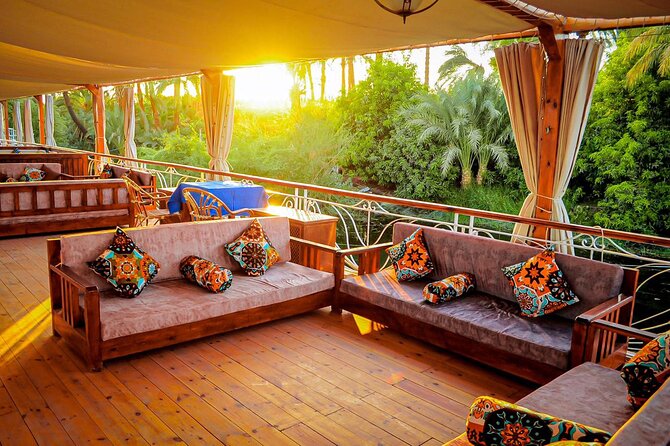
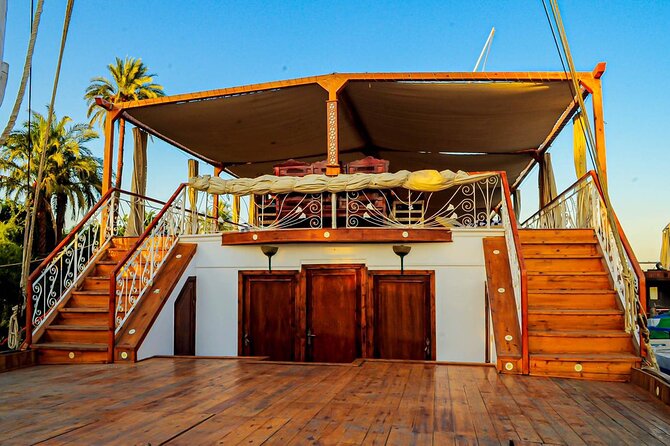
A dahabiya is the reason to choose this trip instead of a standard Nile cruise. It is a traditional Egyptian sailing boat, and the smaller format changes the mood. You spend time close to the river, with open views and less of the floating-hotel feel associated with larger ships.
The boat includes a private cabin and full-board meals. The available information does not specify cabin dimensions, bathroom details, deck facilities, or whether every sailing uses the same dahabiya, so I would ask for current cabin photographs and the exact boat name before paying the full amount.
Several past departures used boats identified as the Orient Star or Zekrayat. One particularly useful detail is that the rear suites on the Orient Star had balconies, though late-afternoon sun could hit those balconies directly. If you care about outdoor space, ask specifically about cabin location rather than assuming every private cabin has a balcony.
The appeal here is not constant entertainment. It is the quiet between monuments. You can watch the riverbanks pass, drink tea, and let the distance between temples become part of the experience. That slower rhythm is valuable after the sensory overload of Luxor’s archaeological sites.
More Nile Cruises in Luxor
- From Luxor: 3-Night Nile Cruise to Aswan and Hot Air Balloon
★ 3.7 · 297 reviews - Amazing Sunset sailing by Felucca in Luxor -2 Hours (Private)
★ 5.0 · 255 reviews - 5 Days Private Guided Nile River Cruise Tour from Luxor to Aswan
★ 5.0 · 229 reviews
Day one: Luxor’s royal tombs and monumental temples
The tour begins at 7:30 a.m. with pickup from Luxor Airport. The first sightseeing stop is the Valley of the Kings, where pharaohs and powerful nobles of the New Kingdom had rock-cut tombs made between roughly the 16th and 11th centuries BC.
You have about two hours here, with admission included. The valley is more than a collection of decorated rooms. It shows how royal burial changed from the exposed pyramids of earlier periods to hidden tombs cut into the desert hills. Your guide’s explanations matter because the decoration can look repetitive until you understand the journey through the afterlife shown on the walls.
The practical issue is heat and walking. The valley involves uneven ground, exposed sun, and movement between tomb entrances. Wear firm shoes, bring water, and listen carefully to the guide’s instructions about which tombs are open on the day of your visit. The tour includes water, but carrying a bottle during the walk is still sensible.
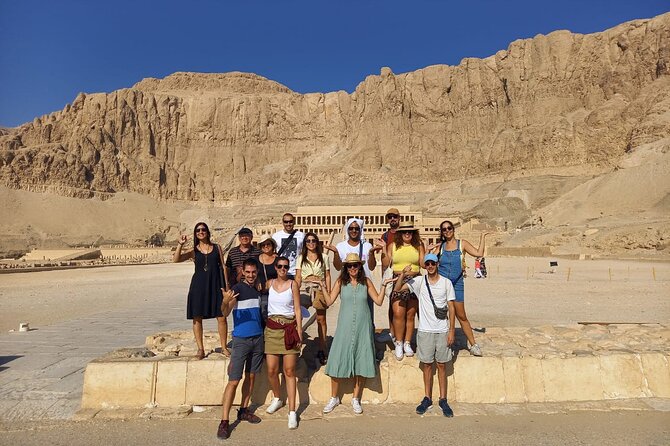
Next comes the Temple of Hatshepsut at Deir el Bahari, with roughly two hours to explore. Its broad terraces and strong horizontal lines make it one of Egypt’s most memorable monuments. Hatshepsut’s unusual position as a female pharaoh gives the site an extra layer of interest, and the temple’s setting against the cliffs makes it visually different from the enclosed temple complexes elsewhere on the route.
The Colossi of Memnon receives only 20 minutes, and admission is free. That is enough for photographs and a short explanation of the two huge statues of Amenhotep III. Do not expect a long visit. This is a quick roadside-style stop that works well as a pause between larger sites.
Karnak closes the day’s major sightseeing, with two hours and admission included. Karnak is not one single temple but a huge complex of pylons, chapels, courts, columns, and religious buildings developed over centuries. The scale can be difficult to grasp at first, so stay near your guide for the larger story.
I would treat day one as the most demanding day physically. Four major stops, early pickup, and substantial walking mean you may feel ready for a quiet evening. That is exactly where the dahabiya helps. You can trade traffic and hotel transfers for a calm river setting.
Day two: Edfu and the stone at Gebel el Silsila
The Temple of Horus at Edfu is the main event on day two. You have about two hours with admission included. Built during the Ptolemaic period, it is one of the best-preserved large Egyptian temples, and its detailed reliefs make it easier to picture how a functioning temple once looked.
Edfu is dedicated to Horus, the falcon-headed god. The site’s condition lets you appreciate the temple as a complete architectural statement rather than just a set of ruins. Massive walls, formal gateways, and carved scenes reward a good explanation, particularly when your guide connects the Greek and Egyptian periods.
The day also includes Gebel el Silsila, another two-hour stop. This ancient quarry area sits between Edfu and Kom Ombo and supplied sandstone for major building projects, including work associated with Karnak, Luxor Temple, Medinet Habu, and other monuments.
This is an excellent choice for anyone who wants to understand the practical side of ancient Egypt. Temples did not simply appear. Stone had to be extracted, shaped, moved, and fitted into enormous religious complexes. At Gebel el Silsila, the quarry itself becomes part of the story.
The drawback is that the itinerary information does not give exact sailing times or explain how long you remain aboard between stops. A dahabiya trip is partly about unstructured river time, but you should still ask for the expected daily rhythm if you prefer a tightly planned schedule.
Day three: the double temple at Kom Ombo
Day three focuses on Kom Ombo, about two hours from the schedule. This Ptolemaic temple is unusual because it is designed as a double sanctuary, with paired areas dedicated to different gods.
The site is easy to remember because of that divided plan. Instead of one central religious focus, the temple has two linked sections, giving you a useful example of how Egyptian worship could accommodate more than one deity in the same place.
Kom Ombo is also a good stop for architectural comparison. After the grand New Kingdom sites around Luxor and the later temple at Edfu, you begin to see how Egyptian religious buildings continued to develop under Greek and Roman rule. The date range given for its construction is 180 to 47 BC, with later Roman additions.
A two-hour visit should allow time for the principal areas and the guide’s explanation without turning the stop into an all-day march. The itinerary leaves day three lighter than day one, which is welcome. You get more space to enjoy the boat and the Nile rather than rushing from one major monument to another.
More Nile cruises and felucca sailings:
- Luxor: Private East and West Banks Tour and Felucca Cruise
★ 4.7 · 209 reviews - From Luxor: Dendera Temple All-Inclusive Tour & Felucca Ride
★ 4.2 · 207 reviews - Luxor: Nile River Private Sunset Felucca Ride
★ 4.9 · 188 reviews - Historia Hotel Nile Cruise, Mon. from Luxor 4 nts inc. Excursions
★ 5.0 · 185 reviews
Day four: dams, quarries, and the island temple of Philae
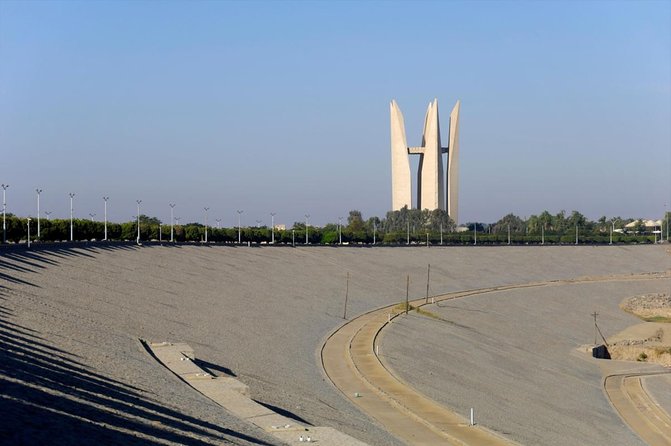
The final full sightseeing day begins with the Aswan High Dam. The visit lasts about 30 minutes, with admission included. The dam is a modern engineering project rather than an ancient site, but it is essential to understanding present-day Egypt and the reshaping of the Nile.
The High Dam changed flood control, agriculture, and electricity production. It also altered the river around Aswan and affected ancient sites, including the original location of Philae. Thirty minutes is brief, but enough for a guide to explain why this structure matters.
The Unfinished Obelisk follows, with about an hour at the ancient quarry. It is the largest known ancient obelisk, left incomplete in the stone. The visible crack and the unfinished work offer a rare look at how ancient craftsmen handled monumental stone before it could be transported and raised.
This stop pairs naturally with Gebel el Silsila. One site shows the wider quarrying operation, while the other lets you examine a single enormous project that failed or was abandoned. You gain a clearer sense of the labor behind Egypt’s polished monuments.
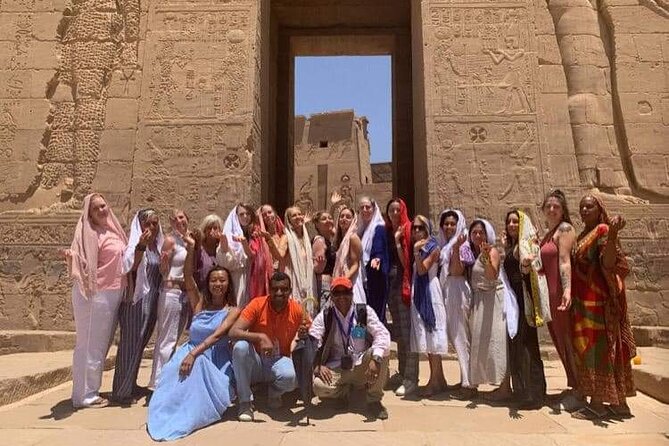
Philae Temple is the day’s highlight, with about two hours and admission included. Philae was originally located near the First Cataract of the Nile and later moved to an island in the reservoir created by the Aswan Low Dam. Its setting gives the temple a different mood from the desert tombs and enclosed temple compounds farther north.
The relocation of Philae is part of the site’s modern story. Ancient religious architecture survives here because it was moved when the waters threatened the original island. Your guide can connect the temple’s mythology, architecture, and rescue project into one coherent visit.
Day four is well planned in terms of subject matter, but you should note that the schedule does not list a separate visit to the Nile’s First Cataract. Philae is associated with that area, yet the included stop is the temple itself. If seeing the cataract is important to you, ask whether it forms part of the transfer or is outside this package.
Day five: an easy finish in Aswan
After breakfast, you disembark and receive a transfer to any place in Aswan for your onward departure. This is convenient if you are continuing to a hotel, airport, or another arranged connection, though the details of the transfer destination and timing should be confirmed ahead of time.
There is no sightseeing listed for day five. That is not a flaw if you want a simple finish, but it means the trip’s main Aswan touring takes place on day four. Plan flights or other transport with enough time after disembarkation, especially if you are making a same-day connection.
Food, drinks, and what is included
The package includes four breakfasts, four lunches, and four dinners, along with water, tea, coffee, and soft drinks during meals. Full board is a real advantage on a river journey because it removes the daily work of finding restaurants between excursions.
The supplied information does not describe menus, dietary arrangements, or whether alcoholic drinks are available. If you have allergies, dietary restrictions, or strong food preferences, tell the operator before departure and ask for a clear answer about what the kitchen can provide.
Private cabins are included, as are internal dahabiya transportation, drivers during excursions, and an English-speaking or Spanish-speaking local Egyptologist guide. Flights and tips are not included, so add those costs when comparing this trip with a conventional cruise package.
Is $3,475.75 per person good value?
At $3,475.75 per person, this is not a budget way to see the Nile. You are paying for five days of accommodation, meals, guided touring, admissions to the listed sites, vehicles during excursions, and the special character of a traditional boat.
The value depends on what you want from Egypt. If you only need transport between Luxor and Aswan, the price will feel high. If you want a small-boat setting, full board, private accommodation, a guide throughout the archaeological visits, and a package that handles the major logistics, the cost becomes easier to justify.
The group limit is 25 people. That is smaller than many large river-ship operations, but it is not the same as a private cruise for two or four. The experience will feel most personal if the boat carries a modest number of passengers, so ask about the expected group size for your departure.
There are also group discounts, although the amount is not specified. If you are traveling with family or friends, request the exact discount rather than assuming it applies automatically.
Guides can shape the whole experience
The strongest praise attached to this trip centers on the guides. Ahmed is repeatedly described as an energetic Egyptologist who organizes excursions, teaches on site, and stays available throughout the journey. Omar receives especially warm praise for going beyond the basic guiding role, while Nasr is noted for strong knowledge of Egypt’s ancient sites.
Those names are useful, but they are not a guarantee of who will lead your departure. Ask for the assigned guide, language, and whether that person will accompany you for the full route. A good guide can turn a wall of hieroglyphs into a readable story. A rushed guide can make even Karnak feel like a checklist.
The available feedback also points to clean boats, friendly crew, comfortable rooms, good food, and a warm onboard atmosphere. One departure included a New Year celebration, showing that the boat can support a festive trip as well as a quiet one. Still, service and atmosphere can vary by boat and sailing date, so request current details.
Who should book this trip?
I would recommend this cruise to you if you want ancient sites without giving up the pleasure of slow river travel. It suits couples, small groups, and culturally focused visitors who prefer guided interpretation to independent monument visits.
It is also a good fit if you value authenticity over size. The dahabiya is smaller and more traditional than a large cruise ship, and the river hours are likely to feel calmer and more connected to the scenery.
I would be more cautious if you dislike early mornings, hot outdoor sites, uneven walking surfaces, or full sightseeing days. The itinerary is not a lazy five-day float. Luxor alone includes four major stops, and several visits last two hours.
Most people can participate, and service animals are allowed. The operator states that the trip is near public transportation, but pickup is offered from Luxor Airport at 7:30 a.m., so confirm the exact meeting arrangements if you arrive elsewhere.
Free cancellation is available up to 24 hours before the start time. Changes or cancellations inside that window are not accepted for a refund, and poor weather or failure to meet the minimum number of participants may lead to a new date, an alternative experience, or a full refund.
My booking verdict
I would book this dahabiya cruise if the boat style and expert guiding matter more to you than finding the lowest Nile price. The route covers the essential monuments from Luxor to Aswan, adds worthwhile places such as Gebel el Silsila, and gives you full board with private cabin accommodation.
Before booking, confirm the exact boat, cabin features, guide, group size, dietary options, departure arrangements, and transfer details in Aswan. If those answers are satisfactory, this offers a thoughtful way to see Upper Egypt: major temples by day, quiet river hours afterward, and a guide to connect the stones into a story.
FAQ
Where does the cruise begin?
The experience begins in Luxor, with a listed meeting point at Luxor Airport at 7:30 a.m. Pickup is offered.
Where does the cruise end?
You disembark in Aswan after breakfast on day five. The operator will transfer you to any place in Aswan for your final departure.
What meals are included?
The package includes four breakfasts, four lunches, and four dinners. Water, tea, coffee, and soft drinks are included during meals.
Is a guide included?
Yes. An English-speaking or Spanish-speaking local Egyptologist guide is included during the visits.
What is not included in the price?
Flights and tipping are not included. The listed price is $3,475.75 per person.
Can I cancel for a full refund?
Yes, if you cancel at least 24 hours before the experience start time. Cancellations made less than 24 hours beforehand are not refundable.
More 5-Day Experiences in Luxor
- From Luxor: 5-Day Nile Cruise to Aswan with Balloon Ride
★ 4.2 · 168 reviews - From Luxor: 5 Days 4 Nights Nile Cruise to Aswan
★ 4.5 · 108 reviews - Nile cruise 5 days Private full board accommodation transferred guided tours
★ 4.0 · 104 reviews - 5-Day Nile Cruise to Aswan from Luxor with Hot Air Balloon Ride
★ 4.5 · 87 reviews
Newly listed around Luxor
- Luxor Nile River Private Felucca Ride at Sunset★ 4.5 · 20 reviews
- Marvelous Luxor East and West Bank Private Tour with Lunch From Airport /Hotels★ 4.5 · 17 reviews
- Private tour : Sunset Felucca Ride in Luxor★ 5.0 · 16 reviews
- 3-Day Luxor Aswan and Abu Simbel Historical Sites Private Tour★ 5.0 · 34 reviews
- First impression of Luxor-Explore secrets of Luxor by horse carriage★ 5.0 · 50 reviews
- Nile cruise between Luxor and Aswan: Sail the best temples in Egypt★ 5.0 · 72 reviews
- Experience the Magic of a Luxor Sunrise Hot Air Balloon Ride★ 5.0 · 17 reviews
- 5 Days 4 Nights from Luxor to Aswan on Gentle Breeze Dahabyia★ 4.5 · 24 reviews
Nile Cruises, compared.
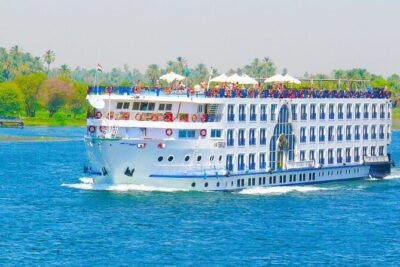
4-Days Nile Cruise From Aswan To Luxor including Abu Simbel and Hot Air Balloon
Read our review →
4-Day 3-Night Nile Cruise from Aswan to Luxor&Abu Simbel+Balloon
Read our review →
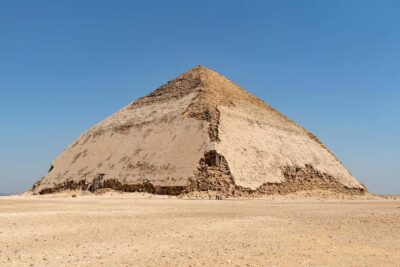
Sakkara, Memphis & Dahshur (Pyramid & Felucca Options)
Read our review →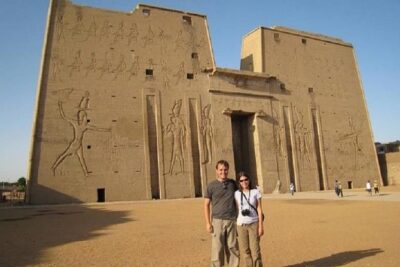
4-Day 3-Night Nile Cruise from Aswan to Luxor including Abu Simbel, Air Balloon
Read our review →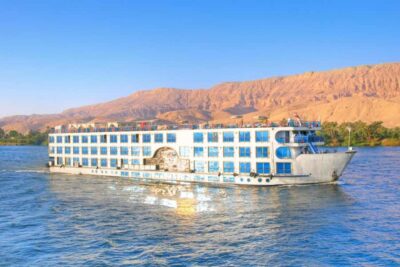
4-Day Nile Cruise from Aswan to Luxor with Guide
Read our review →
4-Days Nile Cruise From Aswan To Luxor including Abu Simbel and Hot Air Balloon
Read our review →Browse the lists this tour appears in