
Reviewed · ABU SIMBEL TOURS
4 Nights Luxor to Aswan Nile cruise with Abu Simbel&Air Balloon
Ancient Egypt meets easy river travel. This five-day journey links Luxor, Edfu, Kom Ombo, and Aswan while including a sunrise hot-air balloon ride and the long-awaited temples of Abu Simbel. I like the way the trip combines major sights with four nights on a cruise, and I like the door-to-door transfers, meals, and Egyptologist guide support.
The advertised price of $648 per person is strong value for this amount of sightseeing, but you need to budget for entrance fees, drinks, tips, and the boat ride to Philae. The ship is another consideration: some departures feel comfortable and clean, while others may fall short of Western expectations for a five-star vessel.
In This Review
- Key points to know before booking
- Why this Nile cruise works so well
- Day one: Valley of the Kings and the west bank
- Day two: balloon flight, Karnak, and Luxor Temple
- Day three: Edfu and Kom Ombo
- Day four: the long run to Abu Simbel
- Day five: Philae, the High Dam, and departure
- Cabins, meals, and life on the boat
- What the $648 price really covers
- The guide can make or break the temples
- Who should book this trip?
- Should you book the Luxor to Aswan cruise?
- FAQ
- How long is the cruise?
- Is the hot-air balloon ride included?
- Is Abu Simbel included?
- Are meals included?
- Are entrance tickets included?
- Can children join the balloon flight?
- What time does the tour finish in Aswan?
Key points to know before booking
- Sunrise from a balloon: The flight takes place very early over Luxor, with views toward the west bank and its ancient monuments. Children under six cannot join, and cameras are not allowed in the basket, though cellphones are permitted.
- A full southbound route: You visit the Valley of the Kings, Hatshepsut Temple, Karnak, Luxor Temple, Edfu, Kom Ombo, Philae, the High Dam, and Abu Simbel.
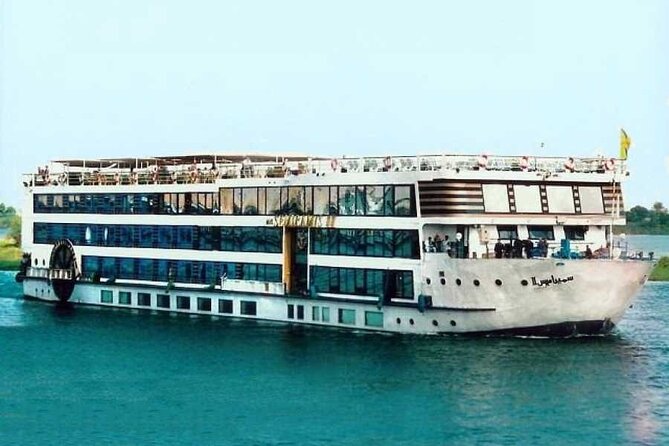
- Four nights on board: Your cabin, meals, housekeeping, pool, and sun deck make the ship both transport and accommodation.
- Early starts are part of the deal: The balloon flight begins before dawn, and the Abu Simbel drive usually starts around 5 a.m.
- Ship quality can vary: The cruise may be perfectly pleasant, but the five-star label does not always match European or North American standards.
- A small-group format: The maximum group size is 15 people, with transfers and sightseeing handled by air-conditioned vehicles.
Why this Nile cruise works so well
A Nile cruise solves a practical problem. Luxor and Aswan are separated by a long stretch of river and road, with important temples scattered between them. Instead of changing hotels and arranging separate vehicles, you unpack once and let the ship carry you south.
That does not mean the boat is sailing all day. Some stretches are slow, and the ship may remain docked for long periods. Still, waking up near the next ancient site is far easier than organizing every transfer yourself.
The strongest part of this trip is the combination of major monuments and guided context. A good Egyptologist can explain why a temple was built, how its reliefs functioned, and which details deserve your attention. Guides named Ahmed, Ahmed Abass, Tarek, Islam, Hany Soliman, Ismail, Mohamed Albasha, Ramses, and Sabri have been praised for clear explanations, kindness, and help with practical matters.
The experience is not luxury travel at luxury prices. It is an organized way to see a remarkable section of Egypt without paying several thousand dollars for an upscale cruise. You get a usable cabin, buffet meals, a pool, sightseeing, transfers, and a guide. The trade-off is variable ship quality and a schedule that can be tiring.
More Hot Air Balloon Flights in Luxor
- Hot Air Balloon Ride in Luxor Egypt with Transfers Included
★ 5.0 · 4,319 reviews - Luxor: Hot Air Balloon Ride over Luxor Relics
★ 4.8 · 1,681 reviews - Hurghada: 2-Day Luxor Tour with Hotel, Balloon, & Boat Ride
★ 4.5 · 1,113 reviews
Day one: Valley of the Kings and the west bank
Your first major outing takes you across the Nile to Luxor’s west bank. The transfer usually includes a motorboat, which is a small but pleasant change from sitting in a coach all day. From the river, you see the waterway and local river life before reaching the archaeological sites.
The Valley of the Kings is the headline stop. This dry valley held the royal tombs of Egypt’s New Kingdom rulers, including Tutankhamun. The famous Carter story is often told here: when asked what he could see through a small opening, Howard Carter answered that he saw great things. The line is memorable, but the tombs themselves are the real reason to visit.
Your ticket allows access to selected tombs, while entrance fees are not included in the package. The number of open tombs can vary, so check what your ticket covers on the day. Inside, expect narrow passages, painted walls, and a warm, enclosed setting. You may spend less time in each tomb than you would like because the schedule also includes Hatshepsut Temple and the Colossi of Memnon.
The mortuary temple of Hatshepsut is an impressive change of pace. Its broad terraces sit against the cliffs, and its story gives your guide plenty to explain. Hatshepsut ruled as pharaoh and presented herself in royal form, an unusual path for a woman in ancient Egypt. The site is visually striking, but the sun can be strong, so a hat and water are useful.
The final stop is the Colossi of Memnon, two huge stone statues that once guarded a temple complex. This is a short photo stop rather than a long visit. It works well at the end of a busy morning, especially if you are already thinking about lunch and checking into the ship.
Day two: balloon flight, Karnak, and Luxor Temple
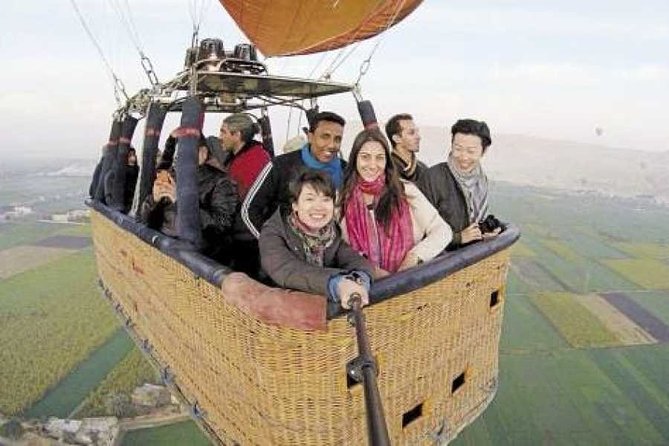
The hot-air balloon ride is one of the most memorable additions to this itinerary, but it demands an early alarm. You are collected around dawn and taken toward the launch area. The timing can include some waiting, particularly if the balloon operation is delayed, so do not expect a quick ride from pickup to takeoff.
From the air, you look over the Nile, farmland, villages, and the monuments of Luxor’s west bank. It gives you a useful sense of how tightly ancient sites and modern life sit beside the river. The flight is weather dependent. If bad weather cancels it, the stated refund is $30 per person.
You can use a cellphone for photographs, but a separate camera is not allowed in the basket. Children under six cannot take part. Those details matter if the balloon is a central reason for booking.
After the flight, the program moves to Karnak Temple. This is not one small monument but a vast religious complex built and expanded by successive pharaohs. Columns, courtyards, obelisks, and carved walls make it easy to lose your sense of scale. Your guide is particularly useful here because the site can otherwise become a blur of names and stones.
Luxor Temple is usually visited later in the day. It is more compact than Karnak and sits within the modern city. The contrast is part of the appeal: ancient columns and statues are close to roads, buildings, and daily Egyptian life.
The cruise begins after the sightseeing. You then sail toward Edfu, passing small islands and riverbank scenes. The movement of the ship is often the most restful part of the trip. Find a place on the sun deck, order a local drink at your own cost, and watch the river change color as the day cools.
The ship also passes through the Esna Lock. Lock passages depend on river traffic and sailing conditions, so the exact timing can change. The itinerary may be rearranged while still covering the promised sights.
Day three: Edfu and Kom Ombo
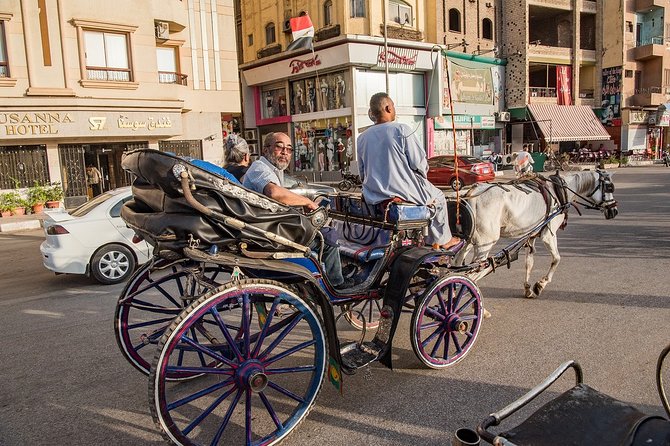
Edfu Temple is reached by horse-drawn carriage after breakfast. The ride is included, and it adds a distinctly local element to the morning, though you should expect some noise and traffic around the transfer area.
The Temple of Horus is one of Egypt’s best-preserved ancient temples. Its walls carry large reliefs and inscriptions, and the gateway gives you a strong first view as you approach. This is a place where a guide makes a real difference. Without explanation, it can be easy to admire the carvings without understanding the religious scenes or the role of Horus.
After Edfu, you return to the ship and continue south. Sailing time can be shorter than first-time cruisers expect. One departure described two days of little actual navigation, with much of the time spent docked. If you picture a constant five-day river voyage, adjust your expectations.
Kom Ombo is usually visited around sunset. The temple is unusual because it is dedicated to two gods, Sobek and Horus the Elder. Its position beside the Nile makes the approach especially attractive in the evening, when the heat has eased and the light is softer.
The day offers a good balance of sightseeing and time on board, but the schedule is still early and structured. You may enjoy a drink on the upper deck, watch the riverbank, or use the swimming pool before the evening visit. Drinks, including water, are not included, so keep Egyptian pounds or another accepted payment method available.
More Nile Cruises in Luxor
- From Luxor: 3-Night Nile Cruise to Aswan and Hot Air Balloon
★ 3.7 · 297 reviews - Amazing Sunset sailing by Felucca in Luxor -2 Hours (Private)
★ 5.0 · 255 reviews - 5 Days Private Guided Nile River Cruise Tour from Luxor to Aswan
★ 5.0 · 229 reviews - Luxor: Private East and West Banks Tour and Felucca Cruise
★ 4.7 · 209 reviews
Day four: the long run to Abu Simbel
Abu Simbel is the most demanding outing. Pickup is around 5 a.m., followed by a long road journey from Aswan. A common estimate is about four hours each way, with roughly two hours at the temples. If you get carsick, bring whatever helps you manage the ride, because this is a substantial day in a coach.
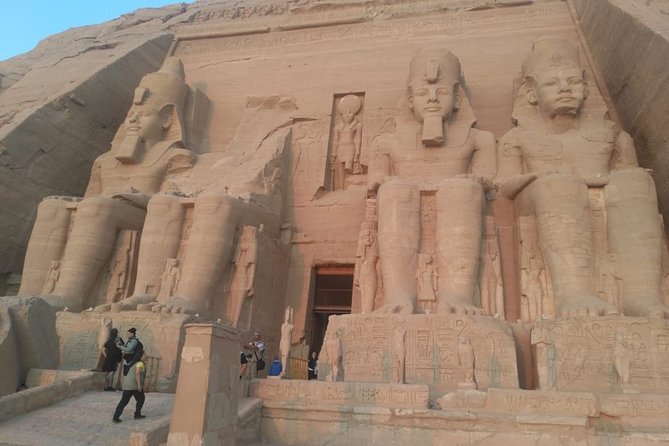
The reward is one of Egypt’s great sights. The main temple of Ramesses II is cut into the rock and fronted by enormous seated figures. A second temple honors Hathor and Queen Nefertari. You should allow time for both, since a rushed visit can leave you studying the first temple while missing much of the second.
The tour returns around lunchtime. You then have time to rest, use the pool, and enjoy the ship’s entertainment. This slower afternoon is welcome after the road journey.
Some people may prefer to stay overnight near Abu Simbel, but that is not part of this package. If you know long coach rides are difficult for you, ask before booking if the arrangement can be changed. The stated refund for a weather cancellation is $30 per person.
In the evening, you can visit Aswan’s local market. This is a chance to see a more modern side of the city after several days focused on pharaohs and temples. Keep expectations practical. The market is included as an opportunity, not as a private shopping experience, and time may depend on the day’s schedule.
Day five: Philae, the High Dam, and departure
After breakfast, you leave the ship. Your guide takes you by vehicle toward the Nile, then by motorboat to Philae Island. The boat ticket is not included, so confirm the extra cost before setting out.
Philae Temple has an unusual modern history. The monument was moved to higher ground after the construction of the Aswan High Dam threatened to submerge it. Its island setting makes the visit feel different from the temples visited earlier, and the boat approach adds to the sense of arrival.
The High Dam is the other scheduled stop. It is an important piece of modern Egyptian infrastructure and helps explain how the Nile is managed today. The visit is brief compared with the ancient sites, but it gives the itinerary a needed connection to present-day Egypt.
The final transfer can take you to an Aswan hotel, train station, or airport. The tour ends around 4 to 5 p.m., so an evening departure is the sensible choice. Do not book a tight afternoon connection.
Cabins, meals, and life on the boat
The package includes four nights in a cruise cabin, with meals from lunch on the first day through breakfast on the last. Breakfast and lunch may be buffet style, and boxed meals may be available if an early excursion means you miss normal dining hours.
Food is generally described as satisfactory to very good. Some departures found the meals surprisingly good, while others considered them basic. That range is worth noting. You are paying for convenience and full-board coverage, not a destination restaurant at every sitting.
Cabins are cleaned daily on better departures, and several people found the rooms comfortable and in good condition. Other experiences included dated rooms, leaking plumbing, poor cleaning, no hot water, and uncomfortable beds. The ship assignment appears to matter greatly.
The boat may have a pool, sun deck, and evening entertainment. These facilities are useful because the sightseeing days are packed. You can sit above the river at sunset, but do not assume you will always have an open view while docked. Ships may be tied alongside several others, with another cabin directly outside your window.
Noise is another real issue. Engines can be loud at the back of the boat, and ships may move or attach to other vessels during the night. If quiet sleep matters to you, request a cabin away from the rear engine area, though the exact cabin placement cannot be guaranteed.
What the $648 price really covers
At $648 per person, the package offers good value if you want a tightly managed first visit to Upper Egypt. Four nights of accommodation, meals, transport, guide service, Abu Simbel, the balloon ride, and the main sightseeing are bundled together.
The price is less complete than it first appears. Entrance tickets are extra, as are drinks, Wi-Fi, tips, the Philae motorboat, and any special transfer supplement. Pickup from Luxor west bank hotels costs an additional $10 per person, as does drop-off at west bank hotels in Aswan.
You should also set aside money for tipping the guide, drivers, ship crew, carriage driver, and other service staff. Tipping advice can feel persistent, and the amount is ultimately voluntary. Ask your guide for a clear daily plan so you are not repeatedly guessing what is expected.
The package is a bargain compared with a high-end Nile cruise, but the word five-star needs caution. Based on the range of cabin experiences, I would treat the rating as a local cruise category rather than a guarantee of luxury.
The guide can make or break the temples
The guide is central to the experience. Strong guides such as Ahmed, Tarek, Islam, Hany Soliman, Ismail, Ramses, Mohamed Albasha, and Sabri have been praised for site explanations, English ability, flexibility, and personal help with transfers and shopping.
A good guide also controls the pace. You may have only a set amount of time at each temple, and the guide decides which rooms and reliefs receive attention. This keeps the group together but means you will not explore every corner independently.
One poor Abu Simbel experience involved only about an hour at the site and limited explanation of the second temple. That is a useful warning: ask how much time you will have and make sure both temples are included in the visit.
The maximum group size is 15, which is small enough for questions without promising a private tour. Other languages can be arranged for an added cost.
Who should book this trip?
I would choose this cruise if you want the major Luxor to Aswan sights handled in one package, prefer not to arrange daily transport, and like having a guide nearby. It suits first-time visitors, solo travelers, families with older children, and anyone who values an efficient route over complete independence.
It is also a good match if you enjoy mixing activity with rest. You see tombs and temples in the morning, then return to the river, pool, and sun deck.
I would hesitate if you need high-end hotel standards, quiet nights, flexible private exploration, or slow travel. The balloon and Abu Simbel days are early, the road trip is long, and the ship may be dated or noisy.
Free cancellation is available up to 24 hours before the local start time. After that, the amount is not refunded, and late changes are not accepted.
Should you book the Luxor to Aswan cruise?
Book it if your priority is seeing Egypt’s essential southern sights with minimal planning. The itinerary is busy, but it covers an extraordinary amount for $648, and a strong guide can turn a procession of ruins into a clear story.
Do not book it expecting a guaranteed Western-style five-star ship. Ask about the assigned vessel, cabin location, entrance fees, drinks, tipping, and Philae boat costs before paying. If those limits suit you, this is a practical and memorable introduction to the Nile.
FAQ
How long is the cruise?
The experience lasts approximately five days and includes four nights on board, traveling from Luxor to Aswan.
Is the hot-air balloon ride included?
Yes. The balloon flight in Luxor is included, although it can be canceled because of bad weather. The stated refund for cancellation is $30 per person.
Is Abu Simbel included?
Yes. The trip from Aswan to Abu Simbel is included, but entrance fees are not included in the package price.
Are meals included?
Yes. Meals begin with lunch on the first day and end with breakfast on the final day. Drinks, including water, are extra.
Are entrance tickets included?
No. Entrance fees for the listed archaeological sites are not included and must be paid separately.
Can children join the balloon flight?
Children under six cannot take part in the hot-air balloon ride. A child aged six to 11 sharing with parents may be subject to the stated booking rules, including a maximum of two children in one room.
What time does the tour finish in Aswan?
The final day usually ends around 4 to 5 p.m. An evening departure is recommended if you are flying or taking a train from Aswan.
More Abu Simbel Trips from Aswan
- Luxor: Abu Simbel Temple Private Guided Day Trip with Lunch
★ 4.6 · 546 reviews - 4 Days Aswan and Luxor Nile cruise&Abu Simbel by plane from Cairo
★ 5.0 · 155 reviews - Luxor: 4 Days Nile Cruise with Guided Tours & Abu Simbel
★ 4.5 · 104 reviews - 4 nights Luxor to Aswan Nile Cruise with Abu Simbel & Air Balloon
★ 4.5 · 102 reviews
Newly listed around Luxor
- Luxor Nile River Private Felucca Ride at Sunset★ 4.5 · 20 reviews
- Marvelous Luxor East and West Bank Private Tour with Lunch From Airport /Hotels★ 4.5 · 17 reviews
- 3-Day Luxor Aswan and Abu Simbel Historical Sites Private Tour★ 5.0 · 34 reviews
- First impression of Luxor-Explore secrets of Luxor by horse carriage★ 5.0 · 50 reviews
- Private tour : Sunset Felucca Ride in Luxor★ 5.0 · 16 reviews
- Nile cruise between Luxor and Aswan: Sail the best temples in Egypt★ 5.0 · 72 reviews
- Experience the Magic of a Luxor Sunrise Hot Air Balloon Ride★ 5.0 · 17 reviews
- 5 Days 4 Nights from Luxor to Aswan on Gentle Breeze Dahabyia★ 4.5 · 24 reviews
Abu Simbel Tours, compared.
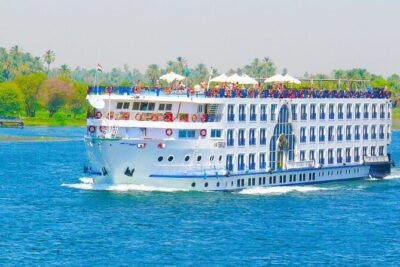
4-Days Nile Cruise From Aswan To Luxor including Abu Simbel and Hot Air Balloon
Read our review →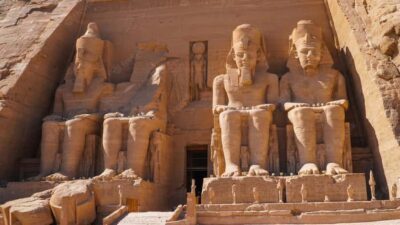

4-Day 3-Night Nile Cruise from Aswan to Luxor&Abu Simbel+Balloon
Read our review →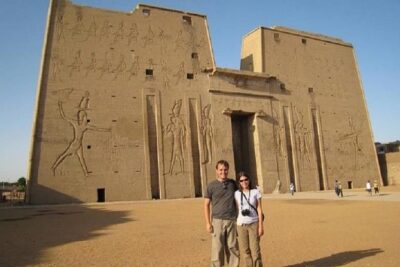
4-Day 3-Night Nile Cruise from Aswan to Luxor including Abu Simbel, Air Balloon
Read our review →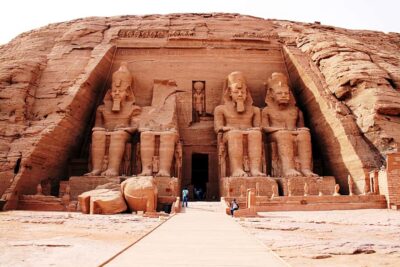
Abu Simbel Temple Private Guided Day Trip with Lunch
Read our review →4-Days Nile Cruise From Aswan To Luxor including Abu Simbel and Hot Air Balloon
Read our review →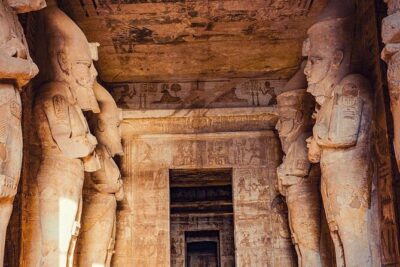
Private Day Tour to Abu Simbel Temples from Aswan
Read our review →4 Days Nile Cruise from Aswan to Luxor including Abu Simbel and Hot Air Balloon
Read our review →Browse the lists this tour appears in