
Reviewed · HOT AIR BALLOON FLIGHTS
Marsa Alam : Over Day Tour to Luxor & Balloon Ride & Felucca
Sunrise looks different from a hot-air balloon. This Marsa Alam to Luxor tour combines an unforgettable balloon ride with Luxor’s great temples, royal tombs, a camel ride, and a felucca trip on the Nile. I like that a private, air-conditioned car handles the long four-hour journey, and I like that the overnight stay breaks up what would otherwise be a punishing day trip. The main drawback is the extra cost of entrance tickets, drinks, and possible add-on stops, which can make the final bill higher than expected.
The plan is ambitious but well arranged. You see Karnak and Luxor Temple on the first day, then take to the sky early the next morning before visiting the Valley of the Kings and Hatshepsut’s temple. Guides such as Manal, Pola, Samar Helmy, Basim, Usman, and French-speaking guide teams have received warm praise for their care and explanations. Still, guide and driver changes can happen, so confirm who is meeting you at each stage.
In This Review
- Key points to know before booking
- Why this Marsa Alam to Luxor trip works
- The long road from Marsa Alam at 5:00 am
- Egyptian lunch before the monuments
- Luxor Temple: an atmospheric first stop
- Karnak Temple and the scale of ancient Thebes
- A hotel rest before the Nile at sunset
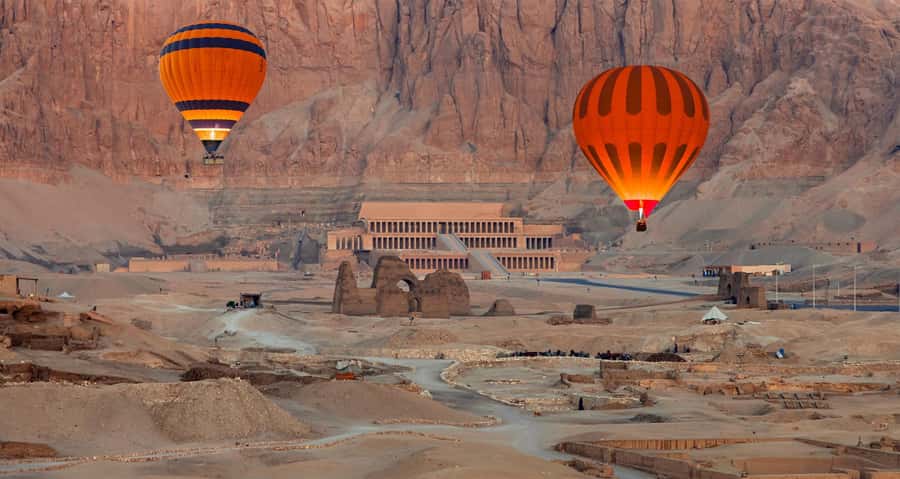
- The sunrise balloon flight over Luxor
- Valley of the Kings and its 63 royal tombs
- Hatshepsut’s temple and the Colossi of Memnon
- Lunch and the return to Marsa Alam
- Guides, drivers, and the human side of the trip
- Extra charges, shopping stops, and the real value
- Who should book this Luxor experience
- Should you book it?
- FAQ
- How early does the tour leave Marsa Alam?
- How long is the drive from Marsa Alam to Luxor?
- Is accommodation included in Luxor?
- Is the hot-air balloon ride included?
- What happens during the balloon experience?
- Which major Luxor sites are included?
- Are entrance fees included?
- Are meals included?
- Is a felucca ride part of the tour?
Key points to know before booking
- A 5:00 am departure from Marsa Alam: The drive to Luxor takes about four hours, so this is a serious travel day rather than a quick local outing.
- The balloon ride is the main event: You watch the balloons inflate before sunrise, then see Luxor’s temples and Nile valley from above.
- Two major East Bank temples come first: Luxor Temple and Karnak Temple are visited on day one, giving you a strong introduction before the west bank sites.
- Your overnight stay matters: A four-star hotel with breakfast gives you a place to rest before the early balloon departure.
- The tour mixes famous sights with local activities: You get a felucca ride, camel ride, Egyptian meals, and a passage through villages.
- Entrance tickets and drinks cost extra: Bring cash and ask clearly what is included before agreeing to anything additional.
Why this Marsa Alam to Luxor trip works
Luxor is far enough from Marsa Alam that a one-day visit would leave you racing from one monument to the next. This two-day plan gives you a night in Luxor and divides the major sights sensibly.
I like the order. The East Bank comes first, with Luxor Temple and Karnak Temple after lunch. You then rest at the hotel before the felucca ride at sunset. The next morning begins with the balloon flight, followed by the West Bank sites while the day is still young.
The tour includes private transport, a professional English-speaking guide, a driver, two lunches, dinner, breakfast, the felucca ride, and the camel ride. Spanish, German, or French guides can be requested for an added cost. The published rating is 4.4 from 29 ratings, which suggests a generally strong experience but not a flawless one.
The price needs careful thought. One customer reported paying €325 and felt the value was poor because of additional taxi costs, paid sights, drinks, and unwanted shopping stops. At that price, the package can still make sense if you value private transport, an overnight hotel, and the balloon flight, but you should confirm every inclusion and extra charge before departure.
More Hot Air Balloon Flights in Luxor
- Hot Air Balloon Ride in Luxor Egypt with Transfers Included
★ 5.0 · 4,319 reviews - Luxor: Hot Air Balloon Ride over Luxor Relics
★ 4.8 · 1,681 reviews - Hurghada: 2-Day Luxor Tour with Hotel, Balloon, & Boat Ride
★ 4.5 · 1,113 reviews
The long road from Marsa Alam at 5:00 am
Your representative collects you from your Marsa Alam accommodation at 5:00 am. The drive to Luxor takes around four hours in a comfortable, air-conditioned private vehicle.
This transfer is one of the tour’s practical strengths. You do not need to arrange buses, compare routes, or manage a long Egyptian road journey yourself. A private car also gives you more control than a large group coach, although the quality of the experience depends heavily on the assigned driver.
The early start has two sides. You lose part of your morning, but you arrive in Luxor with enough time for major East Bank sightseeing. If you dislike long road transfers, this tour may feel tiring before the ancient sites even begin. If you are staying in Marsa Alam and want to see Luxor without changing hotels for several nights, it is a useful trade.
Egyptian lunch before the monuments
After arriving in Luxor, you have lunch at a local restaurant before the sightseeing begins. Lunch is included on both days, and dinner is included on the first evening, although drinks are not covered.
This sounds like a small detail, but it affects the budget. One unhappy customer described the restaurants as average, with cold food and expensive drinks. I would treat the meals as convenient fuel rather than a reason to book the tour. Bring cash for drinks and ask whether anything placed on the table carries an extra charge.
Eating before the temples also keeps the afternoon moving. You are not left searching for a restaurant in an unfamiliar city, and your guide can take you directly to the first major stop.
Luxor Temple: an atmospheric first stop
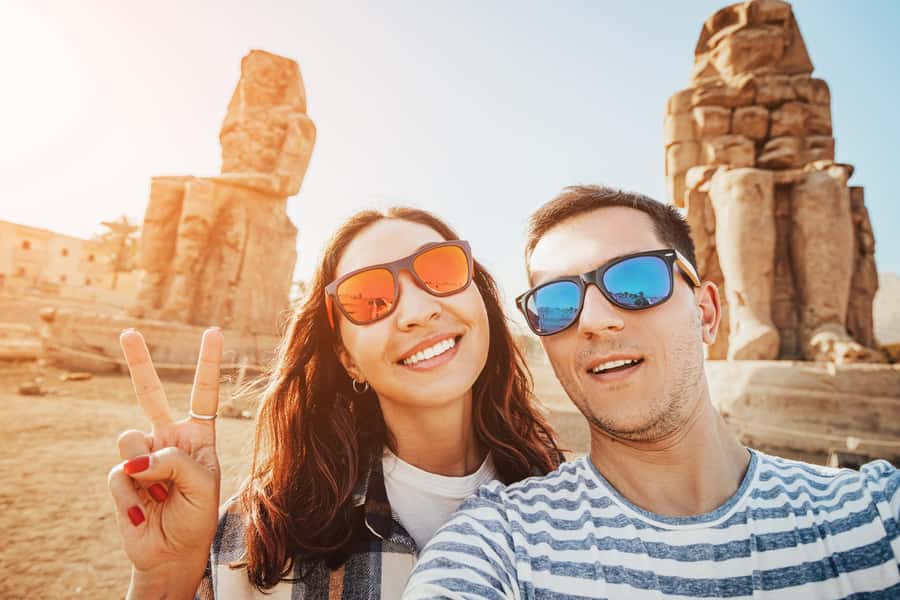
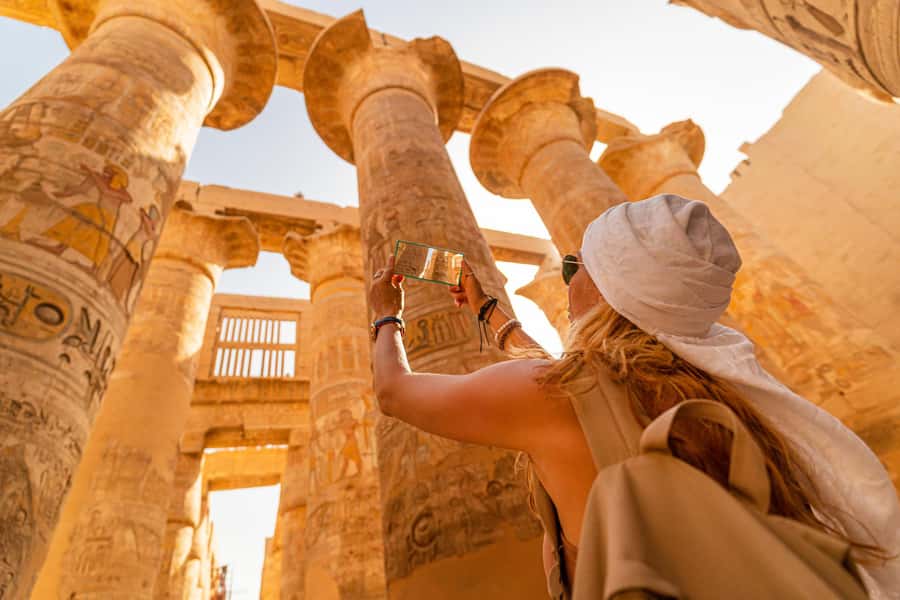
Luxor Temple sits in the heart of modern Luxor and was built over many generations. Amenhotep III, Ramses II, Tutankhamun, and other rulers added to it, creating a monument tied to the religious life of ancient Thebes.
The temple is especially effective as an introduction to Luxor because it shows how Egyptian rulers reused and expanded sacred places. You can expect monumental columns, carved figures, and large open areas that help you grasp the scale of royal building projects.
A private Egyptologist can make a real difference here. The stones alone are impressive, but a guide can explain which ruler added which section and how the temple related to the wider religious center of ancient Luxor. Manal and Pola were praised for clear explanations and attentive care, while Basim received strong approval for explaining the history of the different sites.
Do not expect a quiet museum visit. Luxor Temple is in the city, and the experience is more urban than the remote tombs on the West Bank. That contrast is useful: you see ancient Egypt surrounded by present-day Luxor rather than isolated from it.
More Nile Cruises in Luxor
- From Luxor: 3-Night Nile Cruise to Aswan and Hot Air Balloon
★ 3.7 · 297 reviews - Amazing Sunset sailing by Felucca in Luxor -2 Hours (Private)
★ 5.0 · 255 reviews - 5 Days Private Guided Nile River Cruise Tour from Luxor to Aswan
★ 5.0 · 229 reviews - Luxor: Private East and West Banks Tour and Felucca Cruise
★ 4.7 · 209 reviews
Karnak Temple and the scale of ancient Thebes
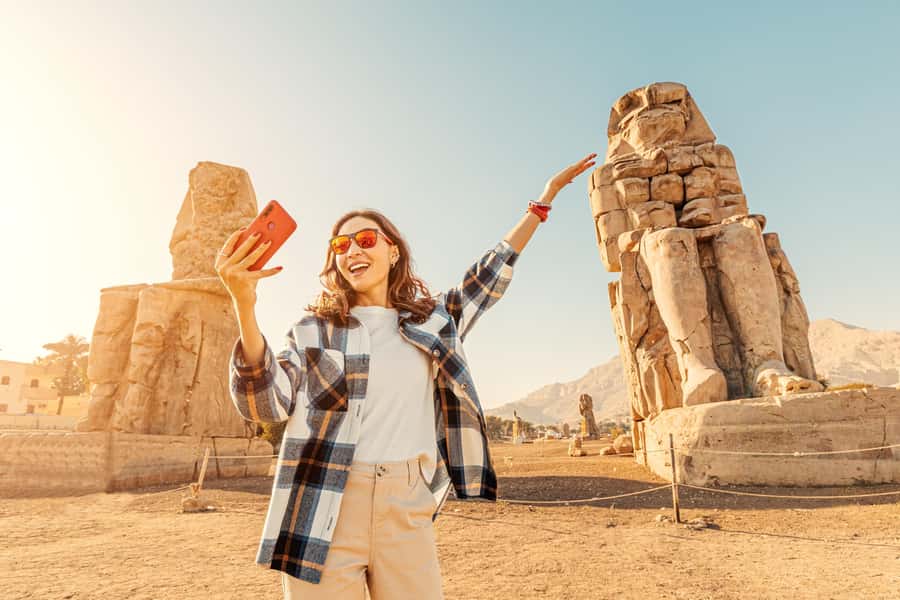
Karnak is the larger and more complex East Bank stop. It is not one single temple built for one god. The site includes the main precinct of Amun-Re, along with areas connected to Mut and Montu, and many pharaohs added their own structures over the centuries.
I like placing Karnak after Luxor Temple because the two visits work together. Luxor Temple feels more compact and connected to the city, while Karnak gives you a sense of the vast religious center that once dominated Thebes.
This is where a good guide earns the fee. Without context, Karnak can become a long procession of columns and walls. With clear explanations, you can follow the layers of construction and understand why the complex is so much larger than many other surviving Egyptian temple compounds.
The exact amount of time at each site is not stated, so ask your guide at the beginning of the day. You want enough time for the major areas without arriving at the hotel too late for the evening activities.
A hotel rest before the Nile at sunset
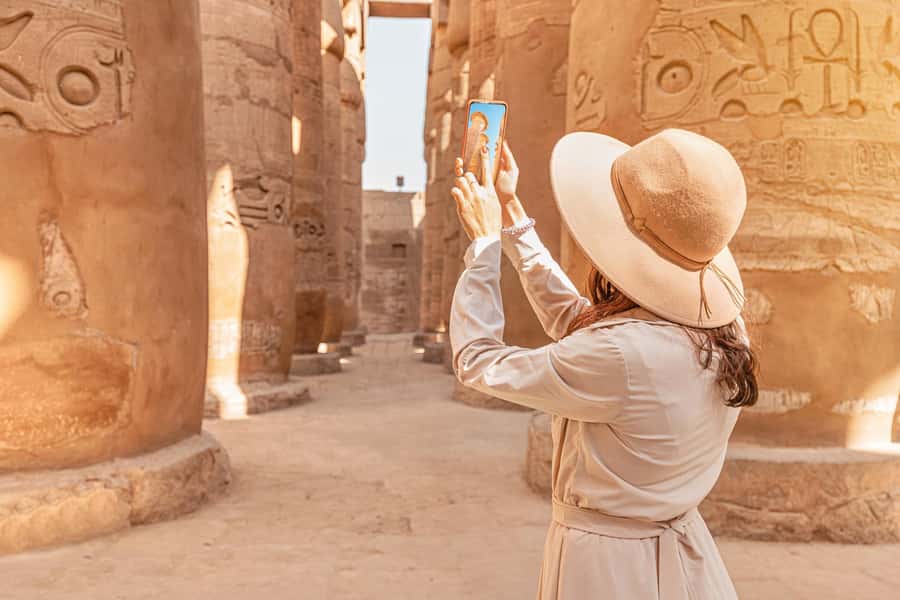
After the East Bank visits, the driver takes you to a four-star hotel in Luxor. Breakfast is included, and the overnight stay is one of the strongest practical parts of the package.
The break matters because the first day begins before dawn and includes a long drive, two major temple visits, lunch, and an evening boat trip. You can rest before the felucca rather than trying to complete everything in one continuous stretch.
At sunset, the driver collects you again for a felucca ride on the Nile. A felucca is a traditional Egyptian sailing boat, and the pace is much gentler than the temple schedule. You get time on the river, away from carved walls and guide commentary, with the changing light over Luxor.
Expect this part to be simple, not luxurious. One customer described the felucca experience as disappointing and very short, with the boat only a few meters from its parking point. Ask how long the sailing portion will last and where the boat will depart before you board. That small check can prevent a mismatch between your expectations and the actual ride.
Dinner follows the felucca trip, then the driver returns you to the hotel. The evening is convenient, but do not count on a long, leisurely river cruise unless the schedule confirms it.
The sunrise balloon flight over Luxor
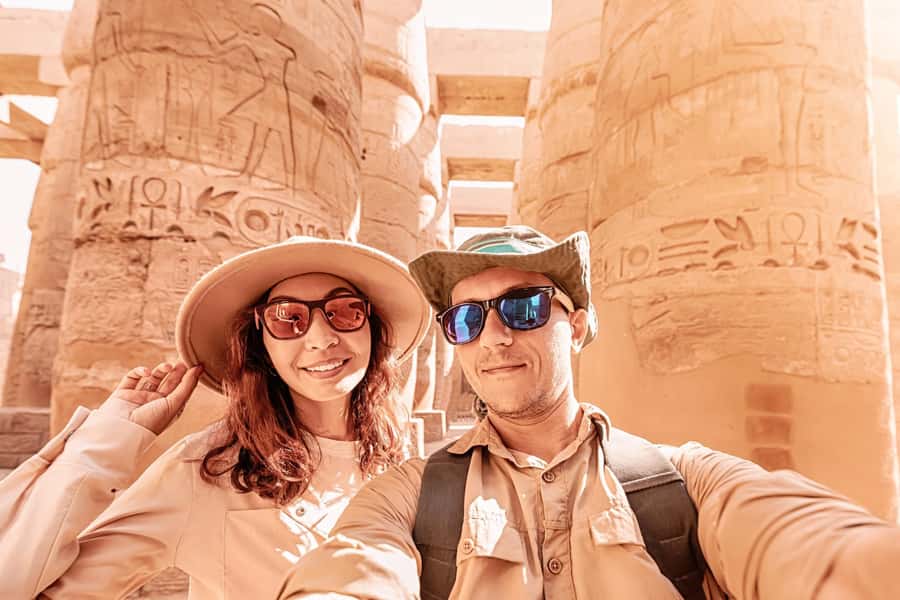
The second day starts early. Check out before leaving the hotel and take your luggage with you. The driver brings you to the hot-air balloon launch area, where you watch the balloons fill with hot air and rise over Luxor.
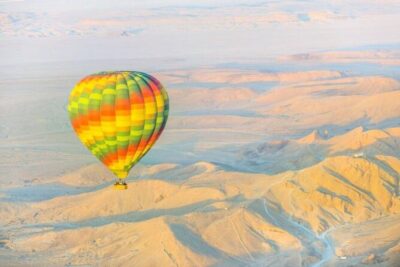
This is the most praised part of the trip, and it is easy to see why. From above, the temples, river, fields, and city appear in a single view. The flight offers a different understanding of Luxor, often called the world’s largest open museum, because you can see how the ancient sites relate to the wider city.
The sunrise is another major reason to choose this package. Giorgia described it as one of the most beautiful sunrises of her life, and Michele called the flight the highlight of the tour. Those comments fit the activity’s real appeal: it is not only transport or sightseeing, but a rare chance to see the West Bank and East Bank from the air.
The exact flight length is not provided, so avoid promising yourself a specific amount of time in the basket. The tour does state that you watch the balloons inflate and then fly over the temples. Wear practical clothing for an early start, keep your camera ready, and remember that weather or operating conditions can affect balloon activity, although no formal weather policy is provided here.
Valley of the Kings and its 63 royal tombs
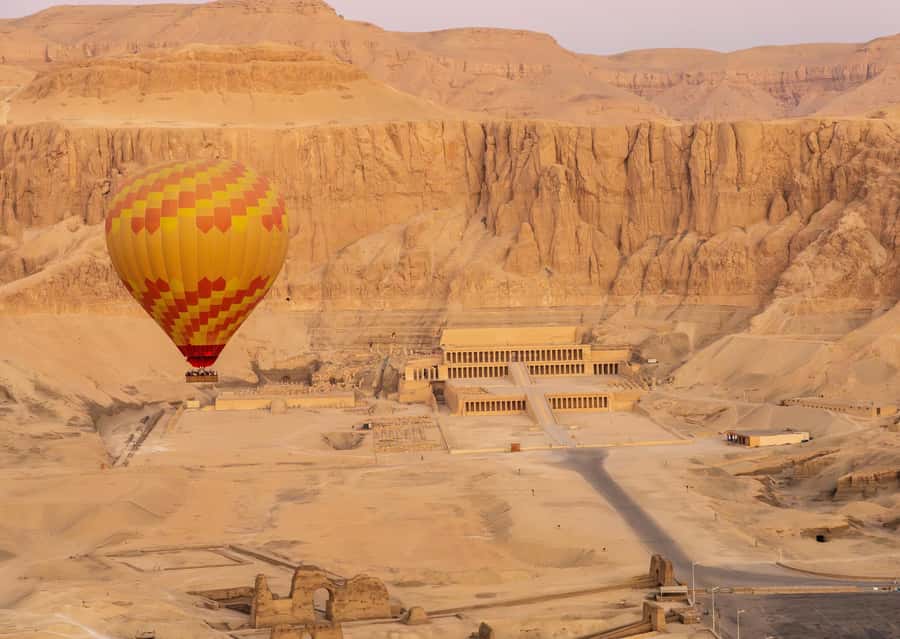
After the balloon ride, the tour moves to Luxor’s West Bank. The Valley of the Kings was once known as the Great Necropolis of Millions of Years of Pharaoh, or the Place of Truth. It contains 63 royal tombs, each different in design and decoration.
The valley is more than a collection of underground rooms. It shows how pharaohs moved their burial places away from the open pyramids and into concealed rock-cut tombs. Inside, the painted walls and corridors give you a close look at ancient Egyptian ideas about the afterlife.
Entrance fees are not included, so budget separately for the sites. The package does not specify which tombs are covered by the standard ticket or whether special tombs require a separate payment. Ask before entering. One customer felt frustrated by repeated cash requests at additional sights, so clear communication is important here.
A guide can also help you decide how to use your time. With 63 tombs, you cannot see everything in one visit. Your experience will depend on which tombs are open and which entry tickets your group purchases.
Hatshepsut’s temple and the Colossi of Memnon
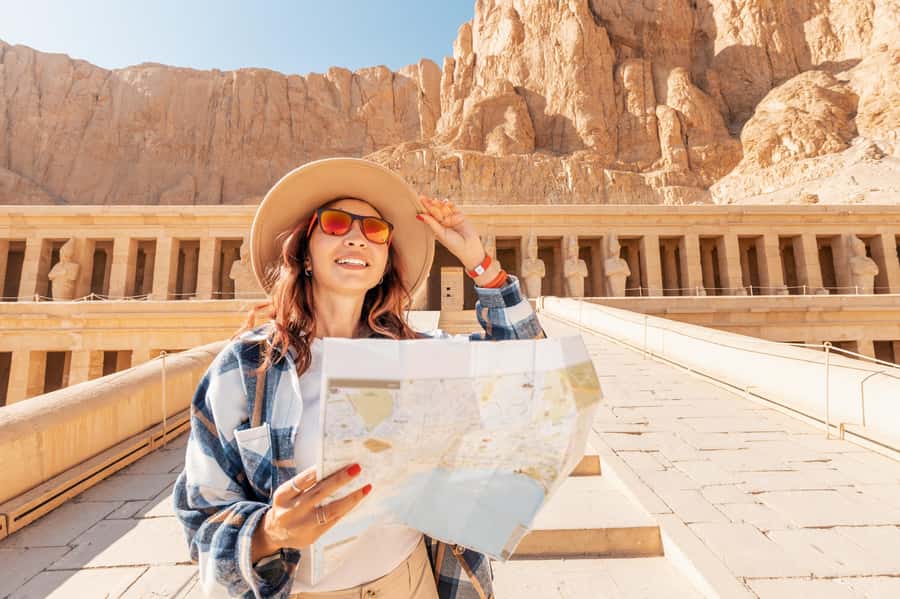
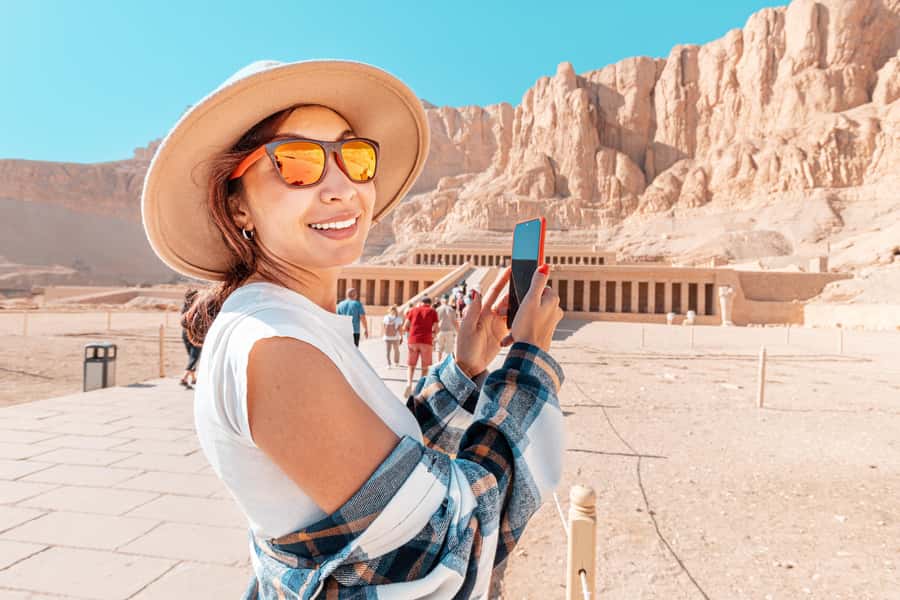
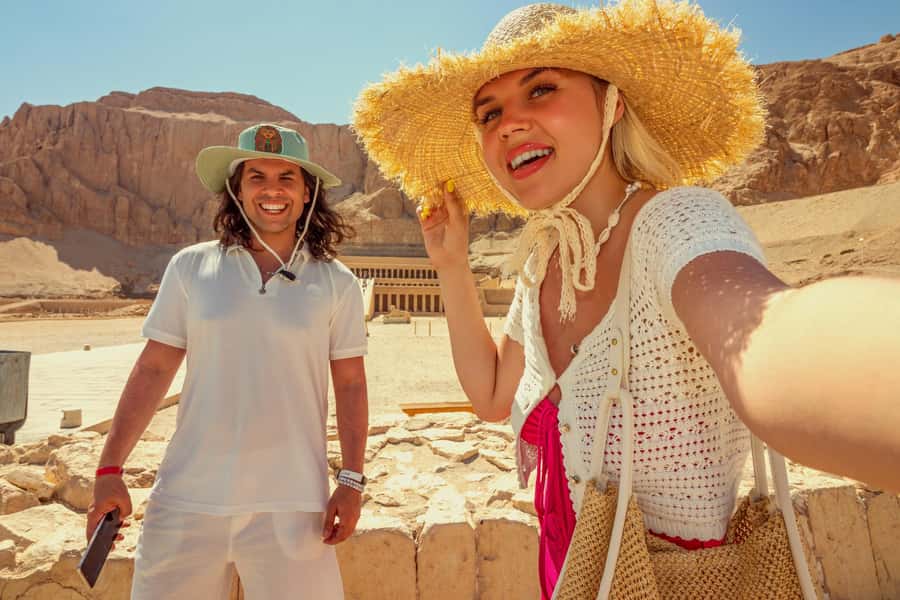
The Mortuary Temple of Queen Hatshepsut is the next major stop. Hatshepsut admired the earlier temple of Mentuhotep II and commissioned her own temple beside it, on a much larger scale.
That detail gives the site a strong human story. This is not simply a royal monument. It reflects ambition, comparison, and the way rulers used architecture to place themselves within Egypt’s past. The terraces and setting make it visually different from the Valley of the Kings.
The final ancient site is a quick visit to the Colossi of Memnon. These huge statues are ideal for photographs, but the stop is brief. Think of it as a final look at monumental royal sculpture rather than a full guided visit.
The itinerary also includes a camel ride through villages. This adds a more everyday view of the area, with a chance to see local people living and working the land. Keep your expectations grounded: it is a short cultural activity within a busy sightseeing day, not a long desert expedition.
Lunch and the return to Marsa Alam
After the West Bank visits and camel ride, you have another Egyptian lunch. The driver then takes you back to Marsa Alam and drops you at your accommodation.
The return drive is another four-hour stretch, so day two remains demanding even after the balloon flight. You are fitting a dawn activity, several major archaeological sites, lunch, and a long road journey into one day.
This is why the tour suits people who want maximum sightseeing from a beach base and do not mind early mornings. It is less suitable if you want a relaxed holiday pace, long meals, or unhurried time at every monument.
Guides, drivers, and the human side of the trip
The strongest personal praise goes to the guides and drivers. Manal was described as friendly and precise, Pola as attentive and well informed, Samar Helmy as good company, Basim as an effective history guide, and Usman as a friendly French-speaking guide. Youssef received praise for punctual driving, while Assan was called top notch.
That range of names also points to a practical issue: the team may vary. One customer found that the guides and transport changed repeatedly, making it unclear who was responsible at each stage. Another said the private driver was especially dependable even when the wider organization felt confusing.
You should receive the name and phone contact of your guide, driver, and local coordinator before the trip if possible. Marina was praised for being available and responsive, but do not assume every departure will have the same contact person.
The quality of the guide matters most at Karnak, Luxor Temple, the Valley of the Kings, and Hatshepsut’s temple. The balloon and felucca are visual experiences, but the monuments need explanation to become meaningful rather than simply photogenic.
Extra charges, shopping stops, and the real value
The package includes transport, hotel accommodation, breakfast, meals, guiding, the balloon ride, felucca sailing, camel riding, fees and taxes, and hotel pickup and drop-off. Entrance tickets are not included, and drinks also cost extra.
A major warning concerns unlisted shopping stops. One customer said the group was pushed toward an oil factory and a stonemason family, where the guide appeared to earn extra money from bringing tourists. That person refused to go, but felt the refusal was not appreciated.
You should ask directly if shopping stops are planned and state clearly that you want the advertised sightseeing program only. If the guide recommends another attraction, ask for its entrance price before agreeing. Keep small cash available for tickets, but do not hand over money without knowing what it covers.
The tour offers good value if you would otherwise need to arrange a private Marsa Alam to Luxor transfer, one night in Luxor, a balloon operator, local transport, meals, and a guide. The value weakens if you dislike organized meals, want complete control over stops, or feel uncomfortable negotiating extra costs.
Who should book this Luxor experience
I would recommend it to you if Luxor is a priority but you are staying in Marsa Alam. It gives you the major East Bank and West Bank sights, the balloon flight, and a night in Luxor without requiring you to plan every transfer.
It also suits couples and families who prefer a private car and want strong photo opportunities. The balloon at sunrise, felucca at sunset, camel ride, temple courtyards, tomb paintings, and giant statues give you plenty of variety.
I would hesitate if you want a slow archaeological visit. The schedule is full, and both days involve early starts or long road journeys. I would also be cautious if you dislike surprise expenses or shopping detours. Confirm entrance fees, drinks, restaurant arrangements, the length of the felucca ride, and the assigned team before you leave Marsa Alam.
Should you book it?
Book this tour if the balloon ride is your priority and you want Luxor’s headline sites arranged around it. The overnight stay, private vehicle, and strong guide reports make the plan more practical than attempting Luxor in one exhausting day.
Skip it, or negotiate the details first, if you expect every cost to be covered or want an entirely independent visit. The best version of this experience includes a reliable driver, a clear guide, enough time at the temples, and no pressure to make unwanted shopping stops.
FAQ
How early does the tour leave Marsa Alam?
Pickup from your accommodation in Marsa Alam is scheduled for 5:00 am on the first day.
How long is the drive from Marsa Alam to Luxor?
The drive to Luxor takes about four hours in a private, air-conditioned car.
Is accommodation included in Luxor?
Yes. The package includes accommodation at a four-star hotel in Luxor, with breakfast included.
Is the hot-air balloon ride included?
Yes. A sunrise hot-air balloon ride is included, with transport to the launch area.
What happens during the balloon experience?
You go to the takeoff area early, watch the balloons fill with hot air, and then fly over Luxor and its temples for views from above.
Which major Luxor sites are included?
The tour visits Luxor Temple, Karnak Temple, the Valley of the Kings, the Mortuary Temple of Queen Hatshepsut, and the Colossi of Memnon.
Are entrance fees included?
No. Entrance fees are not included in the package.
Are meals included?
Lunch is included on both days, dinner is included on the first evening, and breakfast is included at the Luxor hotel. Drinks are not included.
Is a felucca ride part of the tour?
Yes. The itinerary includes a felucca ride on the Nile, planned around sunset on the first day.
Newly listed around Luxor
- Luxor Nile River Private Felucca Ride at Sunset★ 4.5 · 20 reviews
- Marvelous Luxor East and West Bank Private Tour with Lunch From Airport /Hotels★ 4.5 · 17 reviews
- Private tour : Sunset Felucca Ride in Luxor★ 5.0 · 16 reviews
- 3-Day Luxor Aswan and Abu Simbel Historical Sites Private Tour★ 5.0 · 34 reviews
- First impression of Luxor-Explore secrets of Luxor by horse carriage★ 5.0 · 50 reviews
- Nile cruise between Luxor and Aswan: Sail the best temples in Egypt★ 5.0 · 72 reviews
- Experience the Magic of a Luxor Sunrise Hot Air Balloon Ride★ 5.0 · 17 reviews
- 5 Days 4 Nights from Luxor to Aswan on Gentle Breeze Dahabyia★ 4.5 · 24 reviews
Hot Air Balloon Flights, compared.

Hot Air Balloon Ride in Luxor Egypt with Transfers Included
Read our review →
4-Days Nile Cruise From Aswan To Luxor including Abu Simbel and Hot Air Balloon
Read our review →
4-Day 3-Night Nile Cruise from Aswan to Luxor&Abu Simbel+Balloon
Read our review →
2-Day Luxor Tour with Hotel, Balloon, & Boat Ride
Read our review →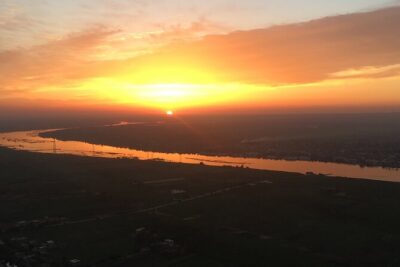
Luxury Sunrise Balloon Ride in Luxor with Hotel Pickup
Read our review →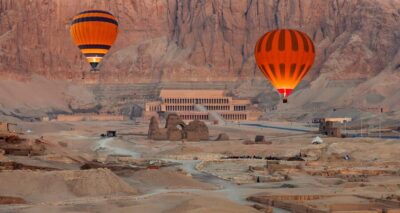
Sunrise Hot Air Balloon Over the Historical sites in Luxor
Read our review →Browse the lists this tour appears in