
Reviewed · NILE CRUISES
From Aswan: 4 Days Nile River Cruise with Guided Tours
The Nile makes Egypt feel wonderfully close. This four-day cruise links Aswan and Luxor by water, with guided stops at Philae Island, Kom Ombo, and Edfu, followed by the Valley of the Kings and Luxor’s great temples. I like the easy rhythm: your cabin, meals, transport, and guide are bundled together, so you spend less time arranging taxis and more time looking at the river.
I also like the quality of the guiding, especially when guides such as George and Semi are assigned. Their detailed explanations add meaning to the temples rather than leaving you to puzzle over a wall full of hieroglyphs. The ship’s food, attentive staff, clean rooms, and comfortable size also receive strong praise. The main concern is scheduling: local changes can leave you waiting in Aswan or compress the Luxor visits into one rushed morning.
In This Review
- Key things to know before booking
- Why a Nile cruise works so well in four days
- Aswan High Dam and Philae Island set the tone
- A relaxed morning, then Kom Ombo at the wrong time
- Edfu Temple by horse and carriage
- The Valley of the Kings needs careful pacing
- Hatshepsut and Howard Carter add useful context
- Karnak and Luxor finish the journey
- Cabins, meals, guides, and onboard life
- Who should book this Nile cruise?
- Should you book it?
- FAQ
- Where does the cruise begin?
- Where does the cruise end?
- How long is the experience?
- What meals are included?
- Is an English-speaking guide included?
- Which major sites are included?
- Are entrance fees included?
- Are drinks and WiFi included?
- Is the horse-and-carriage ride included?
- Can the sailing schedule change?
Key things to know before booking
- The cruise begins with Aswan’s big sights: You visit the High Dam and Philae Island before boarding the ship.
- The route covers the classic temples: Kom Ombo and Edfu come before Luxor’s West Bank and East Bank.
- The West Bank includes more than tombs: You visit the Valley of the Kings, Hatshepsut’s temple, and Howard Carter House.
- Meals are included from lunch on day one through breakfast on day four: Drinks, WiFi, and entrance fees cost extra.
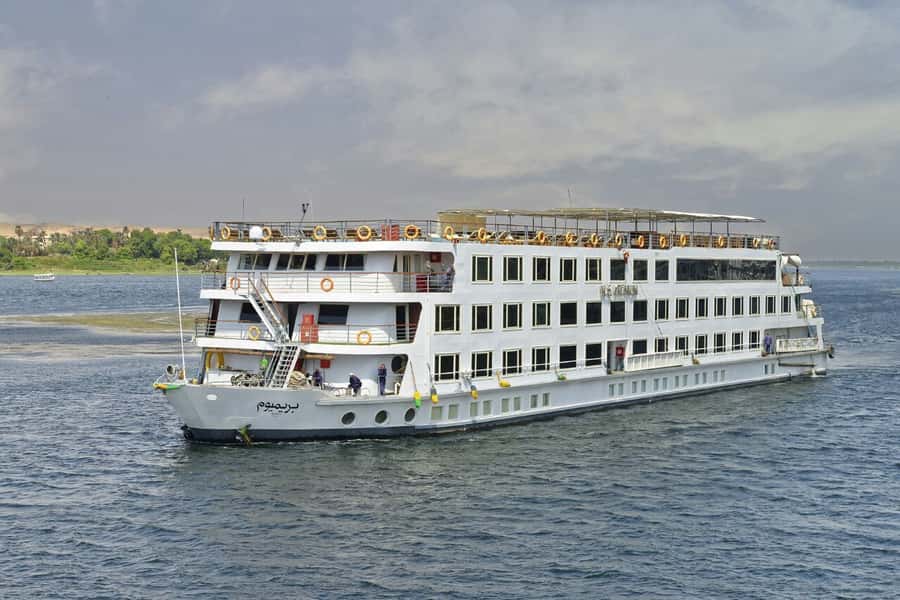
- The cruise ship is a major part of the experience: The MS Marousha has spacious, clean rooms, while the Steigenberger Minerva has also received very high praise.
- Timing may change: Sailing plans can be altered by local rules, so flexibility matters.
Why a Nile cruise works so well in four days
A Nile cruise gives you a practical way to connect Aswan and Luxor, two of southern Egypt’s most important bases. Instead of packing and unpacking for each temple, you sleep in one cabin while the ship carries you north.
That matters in Egypt. The major sights are spread along the river, and arranging every transfer alone can take time and patience. Here, an air-conditioned minibus handles hotel pickup, temple transfers, and the final drop-off in Luxor. A live English-speaking guide travels with you for the sightseeing portions.
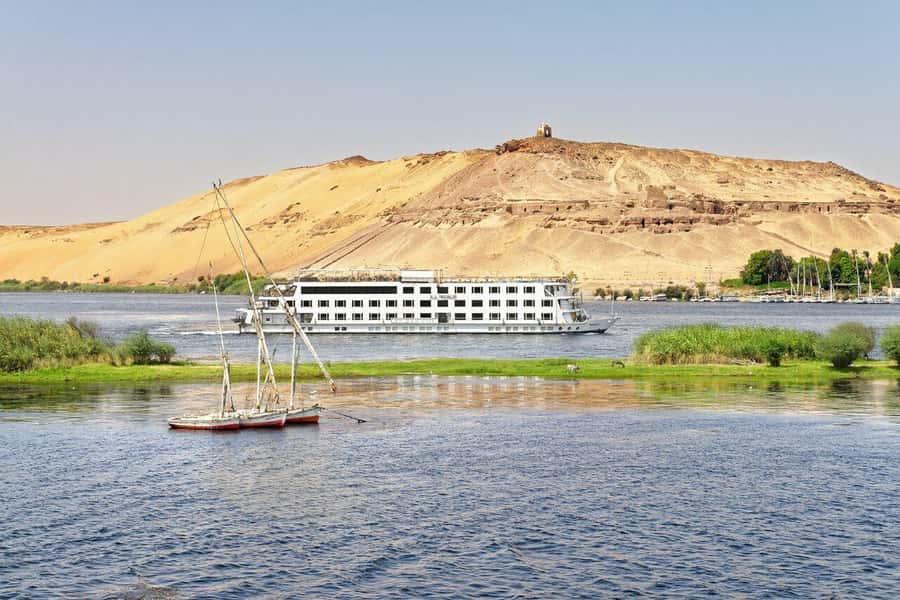
The ship also gives you a slower view of the country. From the sun deck, you can watch villages, fields, river traffic, and the changing banks of the Nile while drinking tea. The program includes cultural comments about Nubian life and ancient Egyptian civilization, so the sailing is not just empty time between monuments.
The advertised price is $570 per person. That is a fair package price if you value convenience and expect to visit several major sites in a short period. It includes three nights on the ship, all meals from the first lunch to the last breakfast, transport, guiding, and a horse-and-carriage ride at Edfu.
You still need to budget for entrance fees, drinks, and WiFi. The drink prices aboard ship may feel closer to European prices, so I would keep that in mind before ordering freely. The value is strongest for someone who wants a ready-made route rather than a loose plan with separate hotels, drivers, and day tours.
More Nile Cruises in Aswan
- 4-Days Nile Cruise From Aswan To Luxor including Abu Simbel and Hot Air Balloon
★ 5.0 · 3,142 reviews - 4-Day 3-Night Nile Cruise from Aswan to Luxor&Abu Simbel+Balloon
★ 5.0 · 2,023 reviews - 4-Day 3-Night Nile Cruise from Aswan to Luxor including Abu Simbel, Air Balloon
★ 4.5 · 612 reviews
Aswan High Dam and Philae Island set the tone
The first day starts with pickup in Aswan, listed at El-Shaheed Abd El-Fattah Hassanein, followed by a visit to the Aswan High Dam. The dam is not an ancient monument, but it helps explain modern Egypt’s relationship with the Nile. It changed water control, farming, and the future of several ancient sites.
From there, you take a motorboat to Philae Island. This short boat ride is part of the charm. The temple complex sits away from the city, and approaching by water gives the visit a sense of occasion without requiring a long journey.
Philae Temple is dedicated mainly to the goddess Isis. You will see broad courtyards, carved columns, and stone walls covered with religious scenes. The guide’s explanations are especially useful here because the site’s story includes both ancient worship and the movement of monuments caused by rising water after dam construction.
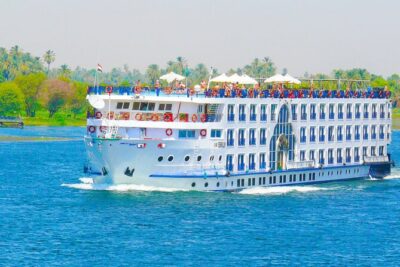
After the island tour, you board the cruise ship. The exact vessel can vary, but the experience is presented as a five-star Nile cruise. One detailed account describes the MS Marousha as clean, comfortable, and limited to about 120 people, with spacious rooms and windows that did not open. Another highly positive stay took place aboard the Steigenberger Minerva, where the staff and service earned particularly strong praise.
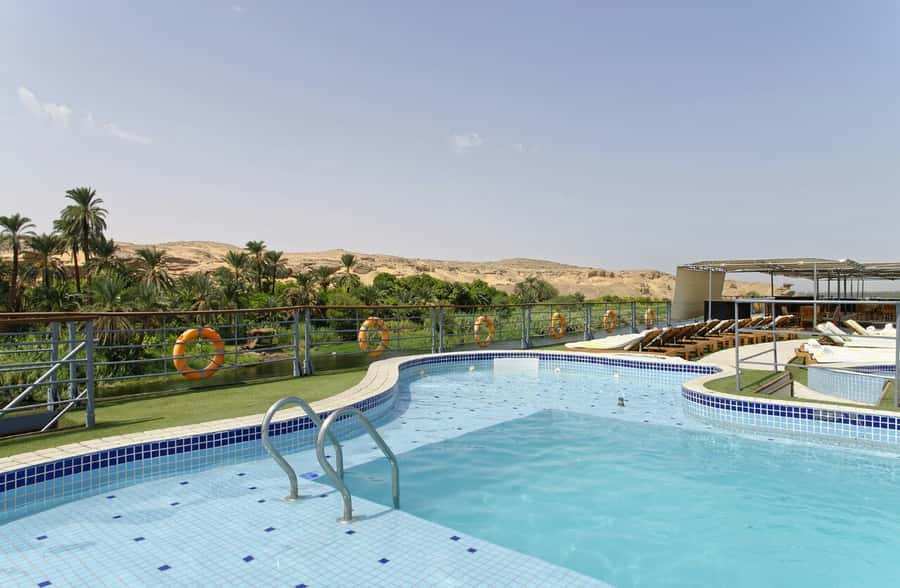
You should treat the ship as both transport and hotel. The sun deck is the place to sit with tea, watch the banks pass, and let the pace slow down. The first night is spent aboard ship.
A relaxed morning, then Kom Ombo at the wrong time
Day two begins with breakfast on board and free time in Aswan. The exact amount of free time can vary, especially if the sailing schedule changes, but this pause gives you a chance to see a little more of the city before heading north.
The ship then sails toward Kom Ombo. The temple is unusual because it is dedicated to two gods, Sobek and Horus the Elder. Its two-part design reflects that double dedication, with paired sanctuaries and halls that make more sense once your guide explains the layout.
Kom Ombo is beside the river, so you can walk from the ship to the site. The setting is one of the memorable parts of the stop, particularly as the light changes late in the day. Yet timing can be a weakness. A visit around sunset may sound ideal, but it can also be very crowded. If your schedule places you there at that hour, expect a less private experience and keep your belongings close in the busy areas.
After Kom Ombo, the ship continues toward Edfu. The journey itself is a chance to rest, eat, or sit outside. This is where the cruise format earns its keep. You do not need to find a new driver after each temple, and you do not have to return to the same road traffic you left earlier.
Edfu Temple by horse and carriage
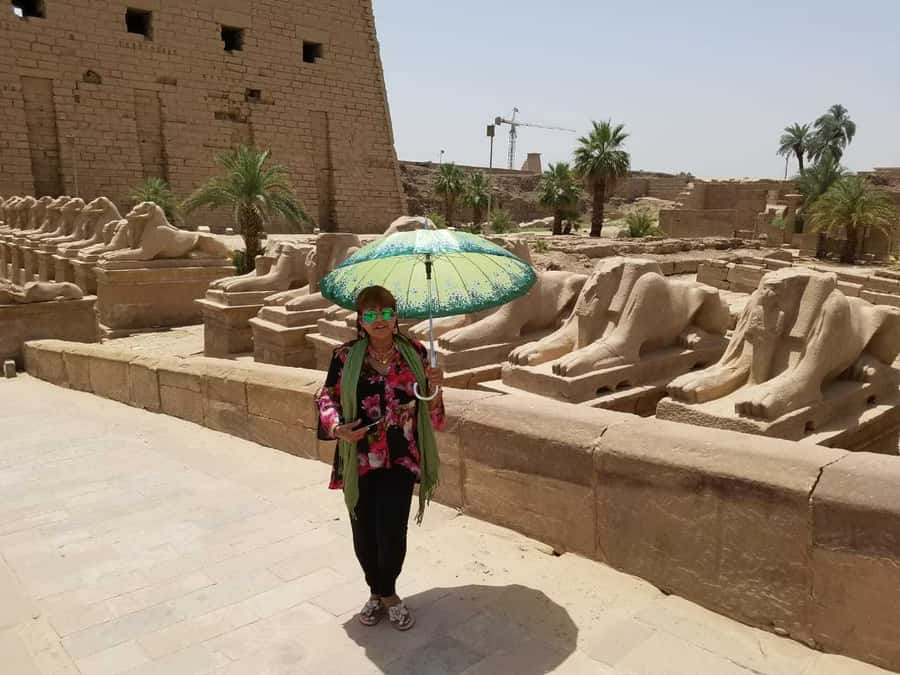
At Edfu, a horse-drawn carriage takes you to the temple of Horus. The ride is included, which makes this transfer easier than arranging local transport on your own. It is also one of the more distinctive moments in the program, though you may want to consider your comfort with carriage travel before booking.
Edfu Temple is among Egypt’s best-preserved large temples. Its huge entrance pylon, long courtyard, and detailed reliefs give you a clear sense of how a temple complex was organized. Horus, shown as a falcon or a man with a falcon’s head, is central to the site’s imagery.
The timing here can seem odd. One account noted an early opening visit followed by a wait of roughly an hour and a half in the harbor before the ship moved on. The schedule may be linked to the lock and sailing arrangements, but you should expect some waiting. Bring water, keep a hat handy, and regard the pause as part of the river timetable rather than a sign that the day has gone wrong.
You spend the night sailing north, with Esna included in the route. The program does not list a detailed shore visit at Esna, so you should not assume a separate temple tour there. It is mainly part of the cruise route before Luxor.
More Nile cruises and felucca sailings:
- From Aswan: 4-Day Nile Cruise from Aswan to Luxor with Guide
★ 4.1 · 593 reviews - 4-Days Nile Cruise From Aswan To Luxor including Abu Simbel and Hot Air Balloon
★ 4.5 · 509 reviews - 4-Day 3-Night Nile Cruise from Aswan to Luxor – Private Tour
★ 5.0 · 369 reviews - 4 Days Nile Cruise from Aswan to Luxor including Abu Simbel and Hot Air Balloon
★ 4.5 · 356 reviews
The Valley of the Kings needs careful pacing
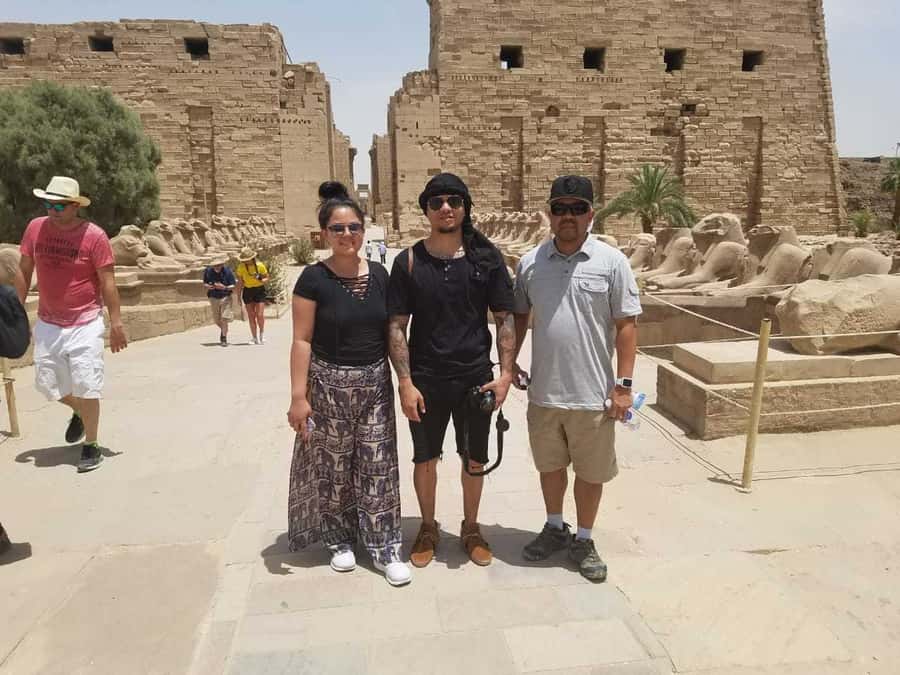
Day three shifts from river travel to the West Bank of Luxor. The Valley of the Kings is the emotional center of the trip for many people. The valley contains royal tombs cut into the dry hills, including the burial place associated with Tutankhamun.
Your Egyptologist guide explains how the tombs were made, decorated, and used. The guide is important here because the rooms can look similar at first glance. Painted scenes, symbolic figures, and burial rituals become much easier to understand with context.
Entrance fees are not included, so check exactly which tombs your ticket covers. The tour information confirms the site visit but does not specify a particular tomb entry or the number of tombs included. Do not assume that Tutankhamun’s tomb is part of the package without checking before you go.
The valley can also be physically demanding. You will walk between the parking area and tomb entrances, and some tombs involve steps or uneven surfaces. The activity is wheelchair accessible overall, but individual tomb interiors may still be difficult. If mobility is a concern, ask the provider how access is handled at each stop.
Hatshepsut and Howard Carter add useful context
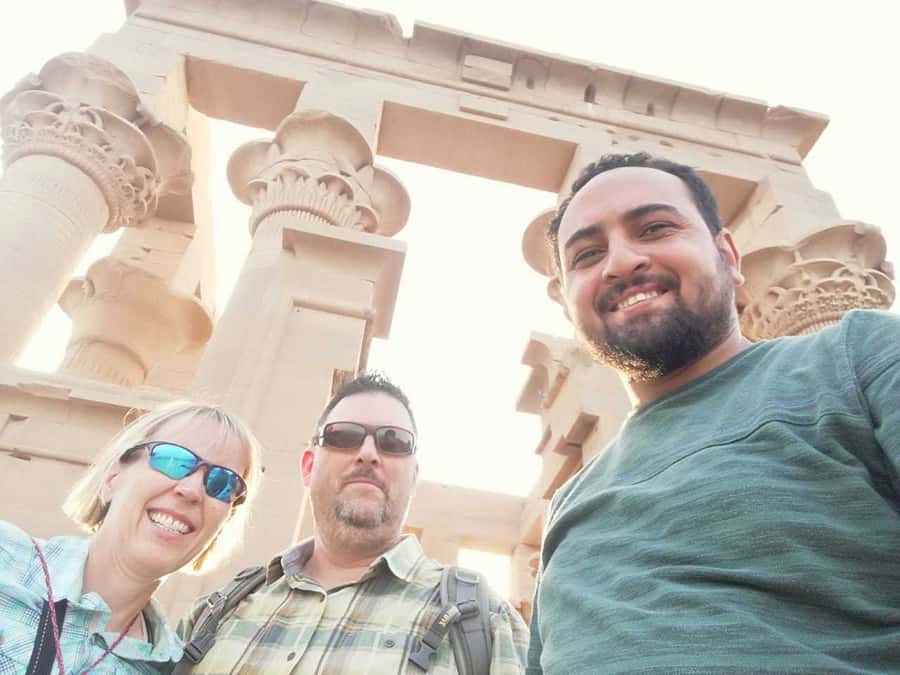
After the Valley of the Kings, the minibus takes you to the Mortuary Temple of Queen Hatshepsut. The temple rises in terraces against the cliffs and tells the story of one of Egypt’s most powerful female rulers.
Hatshepsut ruled as pharaoh and presented herself through royal imagery normally associated with male kings. Her temple uses ramps, terraces, columns, and reliefs to support that political message. A good guide will help you see the building as more than a grand photo stop.
The visit to Howard Carter House is a welcome change of pace. Carter was the archaeologist who discovered the tomb of King Tutankhamun, and the house connects the famous discovery to a real place where he lived and worked. It gives the West Bank a modern archaeological chapter, not just an ancient one.
George receives especially warm praise for giving detailed explanations and taking care with an older family member. That kind of attention matters on a long sightseeing day. One practical issue is that the guide may change in Luxor, so you might not have the same person for every part of the program. If you connect well with your guide, ask early how the handoff will work.
Karnak and Luxor finish the journey
The final morning covers Luxor’s East Bank. First comes Karnak Temple, described in the program as the biggest temple in the world. It is certainly vast, with monumental gateways, columns, courtyards, obelisks, and sacred spaces built and expanded by generations of rulers.
The Great Hypostyle Hall is the visual star, with its forest of huge columns. You need time to look up, down, and across the reliefs. A rushed visit can reduce Karnak to a checklist, so pay attention to the schedule and ask your guide which sections matter most if time is tight.
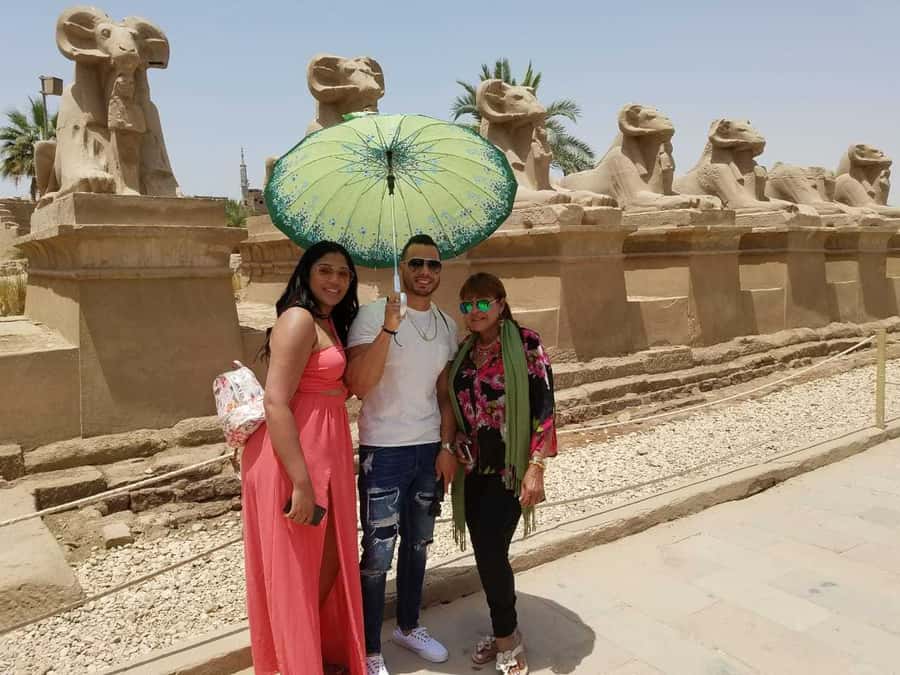
Luxor Temple follows. It is smaller and more compact than Karnak, but its setting in the modern city gives it a different feel. The temple was linked to Karnak by an avenue of sphinxes, and its reliefs and columns show how religious and royal ceremonies shaped ancient Luxor.
This final day is where the tour’s scheduling risk matters most. A changed sailing plan can leave the last two days of sightseeing compressed into one morning. If the program is running late, you should politely ask the guide to protect time at both Karnak and Luxor Temple rather than allowing one stop to swallow the other.
The tour ends in Luxor after the East Bank visits. It is not a round trip, so plan your next hotel, train, flight, or transfer from Luxor separately.
Cabins, meals, guides, and onboard life
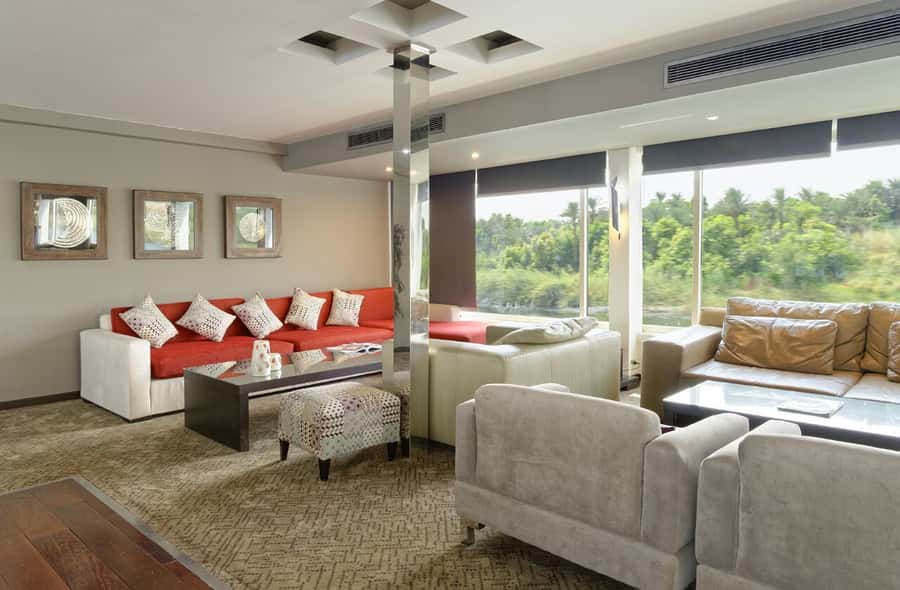
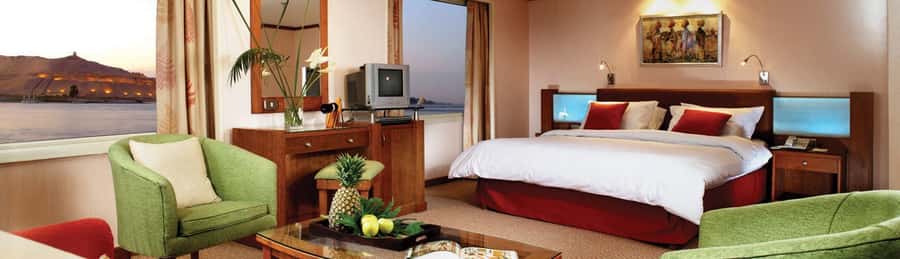
The cabins are described as having all facilities, with one detailed account noting generous, clean rooms and windows that could not be opened. That is useful information for anyone who wants fresh air in the room. You may prefer to spend that time on the sun deck instead.
Food is one of the stronger parts of the package. Multiple accounts praise the meals, with comments about good quality and varied menus. Since all meals are covered from the first lunch through the final breakfast, the package is easier to budget than a cruise that charges separately for every meal.
The staff also receive strong praise. The Steigenberger Minerva crew are described as professional and kind, while the MS Marousha staff earned credit for attentive service. Tips are not listed as included. One useful practice described aboard ship was collecting the final gratuity for the whole team in a sealed envelope, which can make tipping simpler.
There are small annoyances. Drink prices may feel high, WiFi is not included, and one account found the crew’s music repetitive. These are not major problems, but they matter if you expect a quiet, low-cost ship experience.
The overall rating is 4.2 from 42 reviews, which fits the picture: strong accommodation, food, staff, and guiding, balanced by uneven timing and occasional unclear organization.
Who should book this Nile cruise?
I would recommend it to you if you want the classic Aswan-to-Luxor route with the main monuments included. It suits first-time visitors who prefer one organized package, especially those who value an English-speaking Egyptologist and air-conditioned transport.
It is also a good fit if you like a mix of active sightseeing and quiet sailing. You get early starts, temple walks, and West Bank visits, but you also get time on deck and regular meals aboard ship.
I would be more cautious if you want long, unhurried visits at every monument. The itinerary covers a lot in four days, and the schedule can change. Independent visitors who want to choose every tomb, linger at Karnak, or control the exact sailing times may prefer separate arrangements.
Book with the right expectations. Confirm the ship name, entrance-fee details, expected guide arrangements, and the current sailing schedule before paying. The free cancellation window is 24 hours before departure, and the reserve-now, pay-later option gives you some flexibility. Wheelchair access is available, but ask about specific tombs and temple routes if that affects your plans.
Should you book it?
Book this cruise if your priority is efficient sightseeing with good meals, attentive staff, and a guide who can explain what you are seeing. The $570 price offers solid value when you count the three nights, meals, transport, and classic temple route.
Skip it, or choose a longer cruise, if rushed Luxor sightseeing would spoil the trip for you. The best way to enjoy this experience is to accept that Nile travel runs on its own clock, then protect your time at the Valley of the Kings, Karnak, and Luxor Temple by asking clear questions at the start.
FAQ
Where does the cruise begin?
The experience begins with pickup at a hotel in Aswan. The listed pickup location is El-Shaheed Abd El-Fattah Hassanein.
Where does the cruise end?
The tour ends in Luxor after visits to Karnak Temple and Luxor Temple.
How long is the experience?
The cruise lasts four days and includes three nights aboard the ship.
What meals are included?
Meals are included from the first lunch through the last breakfast.
Is an English-speaking guide included?
Yes. The activity includes a live English-speaking tour guide.
Which major sites are included?
The program includes the Aswan High Dam, Philae Island, Kom Ombo Temple, Edfu Temple, the Valley of the Kings, the Mortuary Temple of Hatshepsut, Howard Carter House, Karnak Temple, and Luxor Temple.
Are entrance fees included?
No. Entrance fees are not included in the stated price.
Are drinks and WiFi included?
No. Drinks and WiFi are not included.
Is the horse-and-carriage ride included?
Yes. The horse-and-carriage ride to Edfu Temple is included.
Can the sailing schedule change?
Yes. The sailing schedule may change because of local regulations, but the stated information says this should not affect accommodation, tours, or check-in time.
More 4-Day Experiences in Aswan
- 4-Day 3-Night Nile Cruise from Aswan to Luxor With Balloon and Abu Simbel
★ 5.0 · 327 reviews - From Aswan:4 Days Nile Cruise Luxor Abu Simbel & Air Balloon
★ 4.4 · 310 reviews - 4-Day Nile Cruise sails Aswan to Luxor&Abu Simbel.Hot air Balloon
★ 4.5 · 247 reviews - 4-Day Nile Cruise Aswan and Luxor Hot Air Balloon with Abu Simbel
★ 5.0 · 234 reviews
Newly listed around Aswan
- Sailing Nile Cruise from Aswan to Luxor for 2 Nights★ 4.5 · 139 reviews
- Private Tour in Aswan : Felucca and Nubian village★ 5.0 · 29 reviews
- Philae Temple and Aswan High-Dam Half-day tour★ 5.0 · 49 reviews
- Abu Simbel Private Full-Day Tour from Aswan★ 5.0 · 114 reviews
- (3-Nights Cruise From Aswan To Luxor & Balloon, Abu Simbel)★ 4.5 · 23 reviews
- Day Tour to Abu Simbel from Aswan by Bus★ 4.5 · 25 reviews
- 4-Days Aswan sails Nile Cruise Luxor &Abu Simbel.Hot air Balloon★ 4.5 · 77 reviews
- 3-Nights Cruise From Aswan To Luxor, Hot Air Balloon,Abu Simbel★ 4.5 · 46 reviews
Nile Cruises, compared.
4-Days Nile Cruise From Aswan To Luxor including Abu Simbel and Hot Air Balloon
Read our review →
4-Day 3-Night Nile Cruise from Aswan to Luxor&Abu Simbel+Balloon
Read our review →
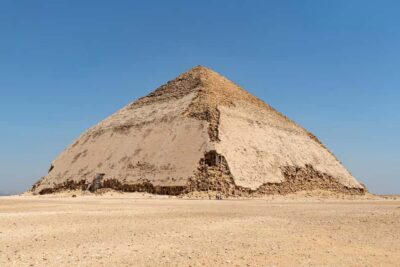
Sakkara, Memphis & Dahshur (Pyramid & Felucca Options)
Read our review →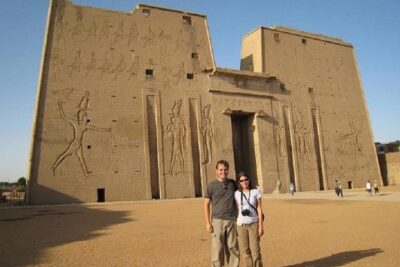
4-Day 3-Night Nile Cruise from Aswan to Luxor including Abu Simbel, Air Balloon
Read our review →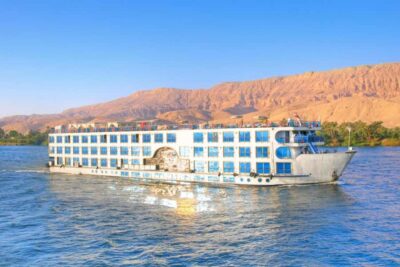
4-Day Nile Cruise from Aswan to Luxor with Guide
Read our review →
4-Days Nile Cruise From Aswan To Luxor including Abu Simbel and Hot Air Balloon
Read our review →Browse the lists this tour appears in