
Reviewed · ABU SIMBEL TOURS
4-Day Nile Cruise sails Aswan to Luxor&Abu Simbel.Hot air Balloon
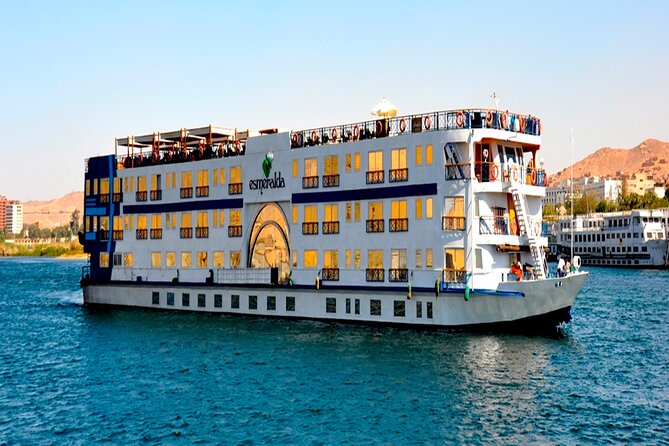
Ancient temples, slow river views, one busy schedule. This four-day Nile cruise links Aswan and Luxor with stops at Philae, Abu Simbel, Kom Ombo, Edfu, and the Valley of the Kings. I like the combination of a private cabin and guided sightseeing, and I especially like that transfers are arranged from your arrival in Aswan through your departure in Luxor. The main catch is that entrance fees, drinks, Wi-Fi, and tipping are extra, so the advertised price is not the final cost.
The cruise costs $306 per person, with three nights aboard a five-star ship and nine included meals. I also like the chance to add a hot-air balloon flight over Luxor, but that flight costs extra and is optional, despite appearing in the tour title.
In This Review
- Key points before you book
- What this four-day Nile journey is really like
- Boarding in Aswan and visiting the High Dam
- Philae Temple, an island sanctuary saved from the water
- Abu Simbel: the longest and most important side trip
- Kom Ombo at sunset and the river after dark
- Edfu and the Temple of Horus
- Optional hot-air balloon flight over Luxor
- Valley of the Kings after checkout
- Hatshepsut, the Colossi, and Luxor’s great temples
- Meals, cabins, and the real cost
- Who should book this Nile cruise?
- Should you book it?
- FAQ
- How long is the Nile cruise?
- Where does the cruise begin and end?
- Is Abu Simbel included in the itinerary?
- Is the hot-air balloon flight included?
- Are meals included?
- Are entrance fees included?
Key points before you book
- Abu Simbel requires an early start: You spend about eight hours on this excursion before returning to the ship in time for its onward sailing.
- Philae is reached by motorboat: The island setting makes this one of Aswan’s most memorable temple visits.
- The first two days are packed: Aswan, Abu Simbel, Kom Ombo, and Edfu leave little room for idle time.
- Day three offers the best breathing room: The ship sails for much of the day toward Luxor.
- Luxor sightseeing continues after checkout: The final day includes the Valley of the Kings, Hatshepsut’s temple, Karnak, and Luxor Temple.
- Entrance tickets are not included: Budget separately for every listed archaeological site.
What this four-day Nile journey is really like
A Nile cruise is partly about the monuments and partly about the movement between them. Instead of changing hotels while crossing Upper Egypt, you unpack once, sleep in a private cabin, and let the river carry you north toward Luxor.
That convenience matters in Egypt. The route includes several major sites that are spread along the Nile, and the cruise gives you a fixed base for three nights. Air-conditioned vehicles handle the road transfers and sightseeing, while an English-speaking Egyptologist guide explains the temples.
This is not a slow, leisurely cruise from beginning to end. The first two days are especially full, with early departures and several hours of touring. Still, the schedule covers an impressive amount of ancient Egypt in a short period, making it useful if you have limited time.
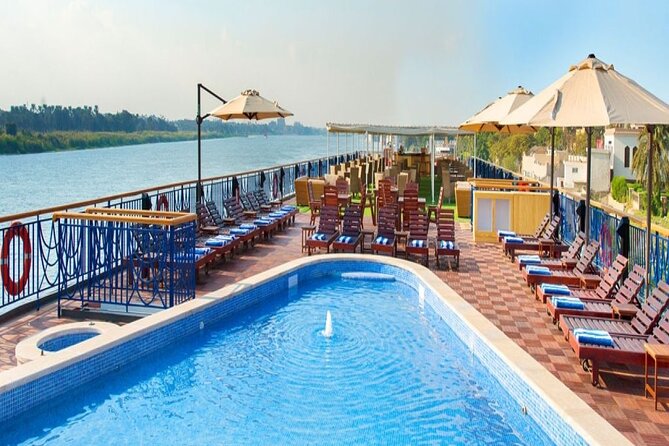
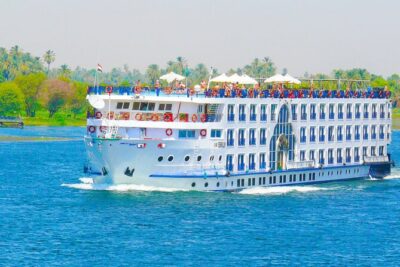
The ship is described as five-star, but expectations should remain practical. Some cabins are clean, comfortable, and larger than expected, and the rooftop pool and friendly service earn strong praise. At least one account describes an older ship that needed updates. The boat may therefore be best understood as a comfortable sightseeing base rather than a polished luxury resort.
More Hot Air Balloon Flights in Aswan
- 4-Days Nile Cruise From Aswan To Luxor including Abu Simbel and Hot Air Balloon
★ 5.0 · 3,142 reviews - 4-Day 3-Night Nile Cruise from Aswan to Luxor&Abu Simbel+Balloon
★ 5.0 · 2,023 reviews - 4-Day 3-Night Nile Cruise from Aswan to Luxor including Abu Simbel, Air Balloon
★ 4.5 · 612 reviews
Boarding in Aswan and visiting the High Dam
Pickup is offered from an Aswan hotel or train station. Pickup from an East Bank hotel is included, while a West Bank pickup costs extra. After meeting the local representative, you are transferred to the cruise ship, where you can refresh and rest before sightseeing.
The first visit is Aswan High Dam, the huge 1960s engineering project that changed the Nile forever. From the top, you can look across Lake Nasser toward Kalabsha Temple and the power station. The stop lasts about an hour.
The High Dam is not an ancient monument, so it may feel less exciting than the temples that follow. Its value is in the modern story. The dam helped control flooding and generate electricity, but it also raised the water level behind it, forcing several ancient sites to be moved.
That leads directly to the next stop, Philae. The entrance ticket is extra, as it is for all the main archaeological sites on this trip.
Philae Temple, an island sanctuary saved from the water
Philae is reached by a short motorboat ride, an enjoyable change from road transfers. The temple was moved roughly 500 meters from its original location after the High Dam caused the Nile waters to rise.
Dedicated to Isis, Philae has an unusually graceful setting. Its buildings sit on an island that was arranged to resemble the original site, and the water around the temple gives the visit a sense of separation from modern Aswan.
Your guide leads a walking tour through the complex, then gives you time to explore and take photographs. Allow about two hours for the visit. I would pay close attention during the explanation, then use the free time for details your guide may not cover, such as carved figures, columns, and views back toward the river.
After Philae, you return to the ship in Aswan. The first day is fairly gentle compared with what follows, but it sets the rhythm: guided touring, transfers, short breaks, and scheduled sailing.
Abu Simbel: the longest and most important side trip
The second day begins early with the Abu Simbel excursion. The outing takes about eight hours in total, and you return to the cruise in the afternoon before sailing onward.
Abu Simbel is not a minor add-on. Its monumental temples are among the most important sights in southern Egypt, and many people consider this the highlight of the route. The temples were also relocated to protect them from the rising waters of Lake Nasser, linking their story with the High Dam and Philae.
The tour uses a small shared group with an English-speaking guide. That is useful for keeping the cost down, but the quality of the Abu Simbel guiding can vary. One practical point is to stay aware of the group during rest stops and rejoin the guide promptly, since the day involves a long transfer and a fixed sailing schedule.
The Abu Simbel admission fee is extra. Check the total cost before booking, since the main advertised price does not cover tickets to this or the other major sites.
Back aboard the ship, you have time to recover before the evening stop at Kom Ombo. This makes day two the most demanding part of the cruise.
More Nile Cruises in Aswan
- From Aswan: 4-Day Nile Cruise from Aswan to Luxor with Guide
★ 4.1 · 593 reviews - 4-Days Nile Cruise From Aswan To Luxor including Abu Simbel and Hot Air Balloon
★ 4.5 · 509 reviews - 4-Day 3-Night Nile Cruise from Aswan to Luxor – Private Tour
★ 5.0 · 369 reviews - 4 Days Nile Cruise from Aswan to Luxor including Abu Simbel and Hot Air Balloon
★ 4.5 · 356 reviews
Kom Ombo at sunset and the river after dark
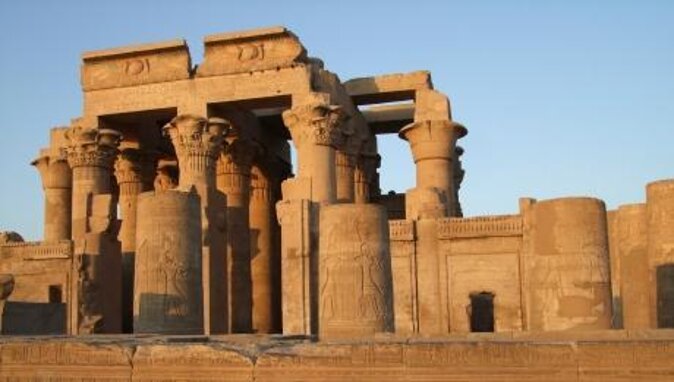
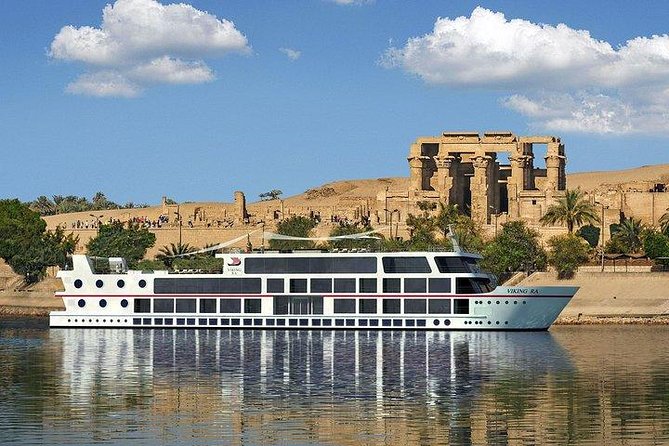
The cruise stops at Kom Ombo later on day two. The Temple of Kom Ombo is unusual because it was dedicated to two gods, Sobek and Horus, and its design reflects that double dedication.
The visit lasts about five hours according to the schedule, including the stop and onward sailing. Your guide leads you through the temple, then the ship continues toward Edfu for the night.
Kom Ombo is especially atmospheric when visited later in the day, though exact light and timing depend on the ship’s schedule. Since this is a group tour, you should expect a set departure time rather than unlimited wandering. Bring a small flashlight or use your phone carefully if returning to the ship after sunset, but do not let the evening visit make you late.
The cruise provides a private room and includes dinner. Drinks are not included, and Wi-Fi on the ship costs extra.
Edfu and the Temple of Horus
Day three begins with free time while the ship sails. That slower stretch is welcome after Abu Simbel and Kom Ombo. You can use it to rest, watch the Nile from the deck, or enjoy the ship’s facilities.
Later, the cruise stops at Edfu for the Temple of Horus. The visit takes about three hours. This is one of the best-preserved major temples in Egypt, and the scale of its gateways and courtyards makes the site easy to appreciate even if you are not an ancient-history expert.
A guide helps you read the carved scenes and understand the temple’s religious purpose. The schedule allows time for photographs after the explanation, but this is still a group visit with a planned return to the ship.
After Edfu, the ship sails toward Luxor and arrives in the afternoon. Day three is the most balanced day of the program: one major temple visit, long stretches on the river, and another night aboard.
Several guides receive particularly warm praise for their clear explanations and careful organization. Names that come up often include Michael, Khaled, and Talaat Abdo. Your assigned guide may differ, but the best guides on this route do more than recite dates. They explain symbols, point out architectural details, answer questions, and help you move through the schedule without confusion.
Optional hot-air balloon flight over Luxor
The hot-air balloon flight takes place early on the final morning and costs extra. It is optional, so you can skip it if you prefer a later breakfast or more sleep.
The timing matters. You must be ready before the regular west-bank sightseeing begins, and the day already includes several major monuments after checkout. If you choose the balloon flight, confirm the pickup time, price, weather arrangements, and how breakfast and luggage will be handled.
Poor weather can cancel the balloon experience. The tour terms provide a different date or a full refund if the overall experience is canceled for weather, but you should ask how the optional flight itself is handled before paying for it.
Valley of the Kings after checkout
After breakfast, you check out of the ship and cross to Luxor’s West Bank. The Valley of the Kings contains 66 tombs from different dynasties, though the number of tombs open to the public can vary.
The listed visit lasts about two hours. You will likely spend much of that time walking over uneven ground and moving between tomb entrances, so sturdy shoes and water are sensible. The Nile Valley heat can be tiring, especially after an early balloon flight.
Your general admission does not cover every tomb. Entrance arrangements can vary, and special tombs may require additional tickets. Ask your guide which tombs are included and which require payment before entering.
The Valley is powerful because the royal burials are hidden in a dry valley rather than displayed in enormous open temples. Inside, painted corridors and chambers reveal how carefully the ancient Egyptians prepared for the afterlife. The experience is less about one grand building and more about moving through a series of burial places.
Hatshepsut, the Colossi, and Luxor’s great temples
The next stop is the Temple of Hatshepsut at Deir el Bahari, with about 90 minutes scheduled. Hatshepsut was one of ancient Egypt’s few female rulers, and the temple gives your guide a chance to explain how she presented her authority through architecture, reliefs, and royal imagery.
The site rises in terraces against the cliffs. That dramatic setting makes it one of Luxor’s most recognizable monuments, but the heat can be intense. Keep your visit focused, listen to the guide’s main explanation, and save some time for photographs.
On the return journey, you stop at the Colossi of Memnon for about 45 minutes. These two enormous seated statues represent Amenhotep III and face the Nile. The stop is brief and requires no admission fee, so it works as a useful pause between the longer West Bank visits.
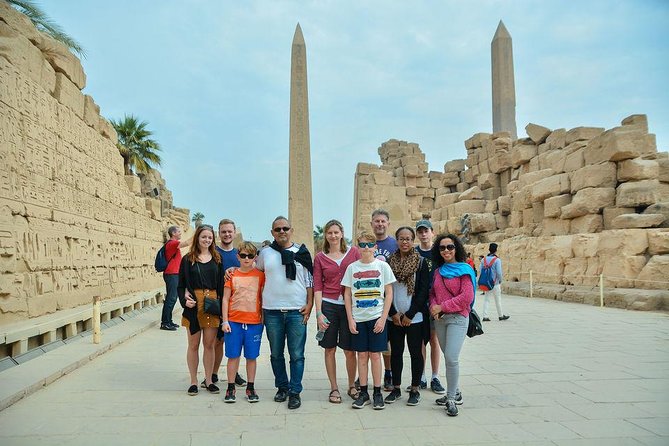
Karnak is next, and you should allow two hours. This vast complex was dedicated mainly to Amun-Ra, along with Mut and Khonsu, and later rulers added their own buildings and inscriptions. The Hypostyle Hall is the visual centerpiece, with a forest of massive columns that shows the scale of ancient Egyptian temple design.
Karnak can feel overwhelming if you try to see every corner. Stay near your guide for the main explanation, then choose a few details to study rather than rushing through the entire complex.
The final monument is Luxor Temple, with about 90 minutes scheduled. Its location within modern Luxor gives it a different feel from the more isolated West Bank sites. The temple is particularly rewarding later in the day, when the light softens and the columns begin to glow.
At the end of the tour, you are dropped at a Luxor hotel, train station, or another preferred drop-off point in Luxor. That direct handoff is valuable if you are continuing by train or staying in the city.
Meals, cabins, and the real cost
The package includes three breakfasts, three lunches, and three dinners, served on the ship. That removes the daily task of finding restaurants while moving between stops, and the food receives generally positive marks for freshness and variety.
Water and other drinks are not included. Bring enough cash for beverages and small purchases, since the ship charges separately for Wi-Fi as well. Boat staff tipping is also excluded.
At $306 per person, the package offers good value if you want the cruise, transportation, guiding, and meals in one booking. It becomes less of a bargain once you add entrance tickets, Abu Simbel admission, drinks, Wi-Fi, tips, and the optional balloon flight.
The value is strongest for someone who would otherwise arrange several transfers, hotels, guides, and day trips separately. If you already have a high-end hotel booked in Luxor and prefer private touring, a more tailored package may suit you better.
The maximum group size is 50 people, though Abu Simbel is described as a small shared group. Ask how large your main sightseeing group will be if crowd size matters to you. A large group can make temple explanations harder to hear and can limit flexibility.
Who should book this Nile cruise?
I would choose this trip if you want to see the major Upper Egypt sights without planning every transfer yourself. It suits first-time visitors, couples, solo travelers comfortable with group touring, and anyone who values a private cabin and a clear schedule.
It is also a strong choice if Abu Simbel is high on your list. The early start and long excursion are tiring, but arranging that visit independently can be more complicated.
I would hesitate if you want a quiet luxury cruise, long afternoons in port, or complete control over your touring pace. The ship may be older than its five-star label suggests, and the four-day route packs a lot into a short period.
Book at least 24 hours before departure if you want the option of a full refund. Cancellations made less than 24 hours ahead are not refunded, and the experience may be rescheduled or refunded if poor weather or low booking numbers prevent it from operating.
Should you book it?
Book this Nile cruise if your priority is maximum sightseeing with minimum planning. Philae, Abu Simbel, Kom Ombo, Edfu, the Valley of the Kings, Karnak, and Luxor Temple form an excellent introduction to southern Egypt.
Go in with clear expectations. This is an efficient, guided group journey, not a private escape. Budget for entrance tickets and extras, prepare for early mornings, and ask which ship and guide are assigned. If you can accept those limits, the river route offers an unusually practical way to connect Egypt’s greatest ancient sites in four days.
FAQ
How long is the Nile cruise?
The experience lasts approximately four days and includes three nights aboard a Nile cruise ship.
Where does the cruise begin and end?
Pickup is provided in Aswan, and the cruise ends in Luxor. Final drop-off can be arranged at a Luxor hotel, train station, or another preferred point in Luxor.
Is Abu Simbel included in the itinerary?
Yes. Abu Simbel is visited early on day two in a shared small group with an English-speaking guide. Admission to the temple complex costs extra.
Is the hot-air balloon flight included?
No. The hot-air balloon flight over Luxor is optional and available for an additional cost. It takes place early on the final morning.
Are meals included?
Yes. The package includes three breakfasts, three lunches, and three dinners. Water, other drinks, and Wi-Fi aboard the ship are not included.
Are entrance fees included?
No. Entrance fees to the listed sightseeing sites are paid separately. This includes places such as Philae, Abu Simbel, Kom Ombo, Edfu, the Valley of the Kings, Hatshepsut’s temple, Karnak, and Luxor Temple.
More 4-Day Experiences in Aswan
- 4-Day 3-Night Nile Cruise from Aswan to Luxor With Balloon and Abu Simbel
★ 5.0 · 327 reviews - From Aswan:4 Days Nile Cruise Luxor Abu Simbel & Air Balloon
★ 4.4 · 310 reviews - 4-Day Nile Cruise Aswan and Luxor Hot Air Balloon with Abu Simbel
★ 5.0 · 234 reviews - Aswan to Luxor: 4-Day Private Nile Journey
★ 5.0 · 152 reviews
More Abu Simbel Trips from Aswan
- From Aswan: Abu Simbel Temple Day Trip with Hotel Pickup
★ 4.4 · 2,807 reviews - Private Day Tour to Abu Simbel Temples from Aswan
★ 4.5 · 507 reviews - From Aswan: Abu Simbel Day Tour with Private Guide and Car
★ 4.3 · 342 reviews - Aswan: Abu Simbel Group Tour with Guide and Entrance Fees
★ 4.3 · 337 reviews
Newly listed around Aswan
- Sailing Nile Cruise from Aswan to Luxor for 2 Nights★ 4.5 · 139 reviews
- Philae Temple and Aswan High-Dam Half-day tour★ 5.0 · 49 reviews
- Private Tour in Aswan : Felucca and Nubian village★ 5.0 · 29 reviews
- Abu Simbel Private Full-Day Tour from Aswan★ 5.0 · 114 reviews
- (3-Nights Cruise From Aswan To Luxor & Balloon, Abu Simbel)★ 4.5 · 23 reviews
- Day Tour to Abu Simbel from Aswan by Bus★ 4.5 · 25 reviews
- 4-Days Aswan sails Nile Cruise Luxor &Abu Simbel.Hot air Balloon★ 4.5 · 77 reviews
- 3-Nights Cruise From Aswan To Luxor, Hot Air Balloon,Abu Simbel★ 4.5 · 46 reviews
Abu Simbel Tours, compared.
4-Days Nile Cruise From Aswan To Luxor including Abu Simbel and Hot Air Balloon
Read our review →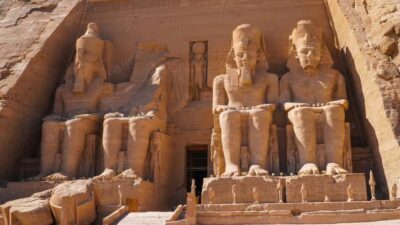

4-Day 3-Night Nile Cruise from Aswan to Luxor&Abu Simbel+Balloon
Read our review →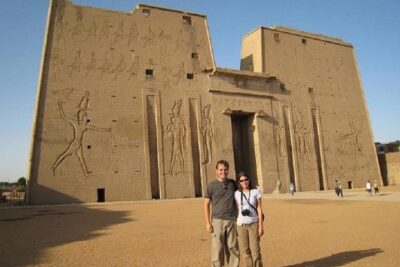
4-Day 3-Night Nile Cruise from Aswan to Luxor including Abu Simbel, Air Balloon
Read our review →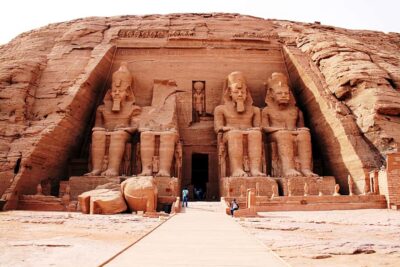
Abu Simbel Temple Private Guided Day Trip with Lunch
Read our review →4-Days Nile Cruise From Aswan To Luxor including Abu Simbel and Hot Air Balloon
Read our review →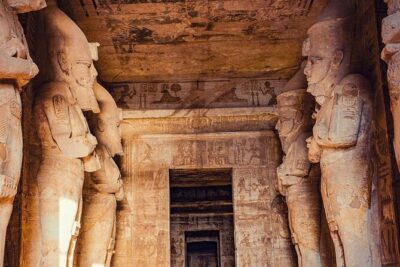
Private Day Tour to Abu Simbel Temples from Aswan
Read our review →