
Reviewed · NILE CRUISES
4 Days 3 Nights Nile cruise Aswan to luxor
Ancient Egypt unfolds from the water. This four-day cruise links Aswan and Luxor with visits to Philae Temple and Abu Simbel, then Kom Ombo, Edfu, Karnak, and the Valley of the Kings. I like the easy rhythm of unpacking once and waking near the next monument, and I like that hotel, airport, train, and bus-station pickup in Aswan can be arranged. The main caution is pace: several excursions are short, and entrance fees plus tips can add noticeably to the advertised $395 price.
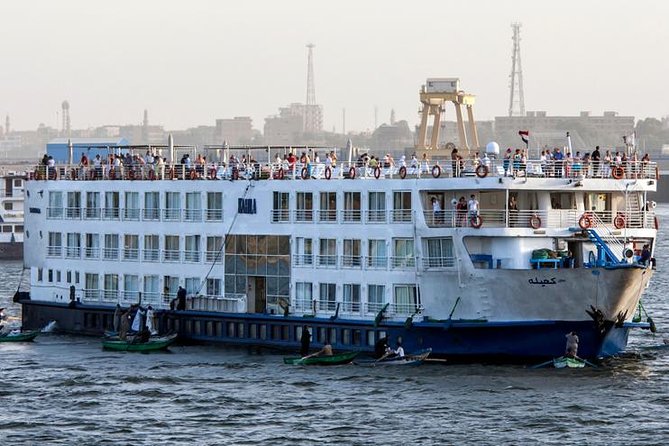
The ship gives you a comfortable break between temples, with a sun deck, swimming pool, meals, and large windows in at least one reported vessel, Ms Opera. Guides such as Karam, Mohammed Ramadan, Abrahim, and Aymen have each made strong impressions, but your guide can shape the experience, and early starts are part of the bargain.
In This Review
- Key points at a glance
- Why this Nile route works so well
- Day 1: Aswan, the High Dam, and Philae
- Day 2: Optional Abu Simbel or a slower morning
- Day 3: Edfu, the Esna lock, and Luxor
- Day 4: The west bank and the final monuments
- The ship, cabins, food, and downtime
- Guides can make or break the four days
- What $395 really covers
- Who should book this cruise?
- FAQ
- How long is the Nile cruise?
- Where does the cruise begin?
- Where does the cruise end?
- What meals are included?
- Are entrance fees included?
- Is Abu Simbel included?
- Which temples are visited?
- Is the sound and light show included?
- Is this a private tour?
- Can I cancel for a refund?
- Should you book it?
Key points at a glance
- Aswan to Luxor in four days: You see the Nile’s major ancient sites without arranging separate day trips.
- Philae requires a short transfer: The temple sits on an island, making the arrival part of the experience.
- Abu Simbel is optional: The six-hour excursion adds two remarkable temples but makes an already full day longer.
- Edfu is reached by horse carriage: This is practical, memorable, and less predictable than simply walking from a dock.
- The price is only a starting point: Meals and guiding are included, but entrance tickets, tipping, and optional tours are extra.
- The cruise is private in arrangement: Only your group takes part in the tour service, while the Nile ship itself may carry other passengers.
Why this Nile route works so well
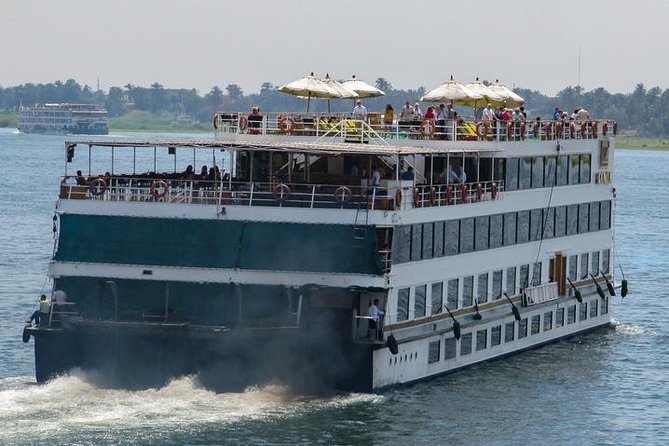
A Nile cruise solves a basic Egypt problem: the most important sights are spread along a long river corridor. Instead of changing hotels between Aswan, Kom Ombo, Edfu, and Luxor, you settle into your cabin and let the ship handle the movement.
I like this route because it mixes major monuments with unhurried stretches on the river. After a morning or afternoon at a temple, you can return to the ship, eat, watch the banks pass, and use the sun deck or pool. That pause matters. Egypt’s temples are not difficult because of distance alone. Heat, crowds, and the sheer scale of the monuments can wear you down.
The trade-off is a tight schedule. The advertised duration is approximately four days and three nights, but sightseeing is packed into those days. Several stops last about an hour, and one cruise passenger described the tours as rushed. If you want time for careful photography, long museum visits, or quiet exploration, this is not the ideal format.
More Nile Cruises in Aswan
- 4-Days Nile Cruise From Aswan To Luxor including Abu Simbel and Hot Air Balloon
★ 5.0 · 3,142 reviews - 4-Day 3-Night Nile Cruise from Aswan to Luxor&Abu Simbel+Balloon
★ 5.0 · 2,023 reviews - 4-Day 3-Night Nile Cruise from Aswan to Luxor including Abu Simbel, Air Balloon
★ 4.5 · 612 reviews
Day 1: Aswan, the High Dam, and Philae
Your arrival transfer begins at Aswan airport, train station, or bus station. A representative meets you and takes you by private, air-conditioned car to the ship. Check-in takes place after lunch, followed by the first sightseeing.
The Aswan High Dam is a useful opening stop because it explains the modern Nile before you turn to the ancient one. Built during Gamal Abdel Nasser’s rule with Soviet assistance, it controls the river’s flow, reduces flooding, and generates electricity. The dam measures 3,600 meters long, with a base width of 980 meters, a top width of 40 meters, and a height of 111 meters.
The visit lasts about 30 minutes, so expect an overview rather than a detailed engineering tour. Admission is not included. I would treat the stop as context for the rest of the cruise, not as the day’s main attraction.
Philae Temple is the stronger part of the afternoon. The temple complex was moved because of the rising waters created by the Aswan dam projects, and it now sits on an island in the reservoir. That setting gives the visit a special quality. You are not simply walking up to another monument beside a road. You reach an ancient temple surrounded by water.
Allow about 1 hour and 10 minutes at Philae. Admission is extra, and the supplied details do not state the separate transfer arrangements or cost, so ask your operator exactly what is covered. The first day ends with an overnight stay on the ship in Aswan.
Day 2: Optional Abu Simbel or a slower morning
Day two gives you an important choice. You can take the optional Abu Simbel tour, or enjoy breakfast and a quieter morning on the ship before sailing after lunch toward Kom Ombo.
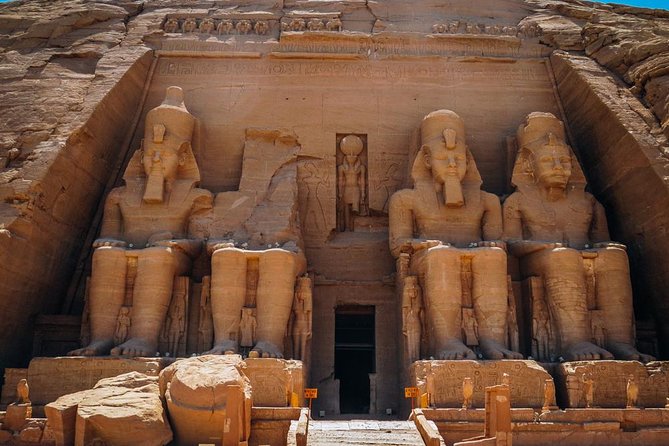
Abu Simbel is about 230 kilometers southwest of Aswan, near Egypt’s border with Sudan. The complex contains two massive rock-cut temples beside Lake Nasser. The optional visit takes about six hours, and admission is not included.
The practical question is not simply is Abu Simbel worth it? The temples are among Egypt’s major sights, so many people will consider them essential. The question is how much energy you want to spend. A six-hour road excursion followed by the cruise schedule can make the day demanding. If you choose it, expect less time to relax and be ready for an early start, although the exact departure time is not supplied.
If you skip Abu Simbel, you get a more relaxed morning on the Nile cruise. That option may suit you if the main appeal is the river itself, or if you already have a separate Abu Simbel plan. The choice is one of the better features of this program because it lets you match the day to your pace.
After lunch, the ship sails to Kom Ombo. The temple is unusual because it is a double temple, designed with two parallel sections. It was built during the Ptolemaic period, from 180 to 47 BC, with later Roman additions.
You spend about an hour at the temple and crocodile museum. Admission is not included in the general package, although the day’s stop is described as having no separate tour charge. Clarify the difference before you go, since all entrance fees are listed as excluded.
Kom Ombo is especially good near the end of the day, when the river setting helps you understand why this site was placed here. You return to the ship and continue sailing to Edfu for the night.
Day 3: Edfu, the Esna lock, and Luxor
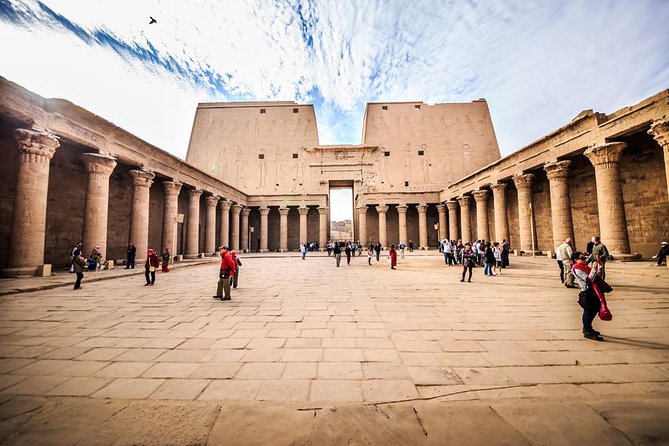
At Edfu, you take a horse carriage to the Temple of Horus. The carriage transfer is a distinctive part of the visit, though the exact carriage cost and ticket arrangements are not explained in the supplied details. Ask your guide what is included before boarding.
The Temple of Horus is one of the route’s major stops. Plan on about an hour inside, with admission extra. The schedule does not provide detailed historical notes for the temple, but the visit gives you another strong example of Egyptian temple architecture before the cruise moves on.
The ship then sails toward Esna and passes through the Esna lock on the way to Luxor. A lock crossing is one of those practical river details that can become a pleasant part of the day. It also breaks up the temple visits with time spent watching the ship work its way along the Nile.
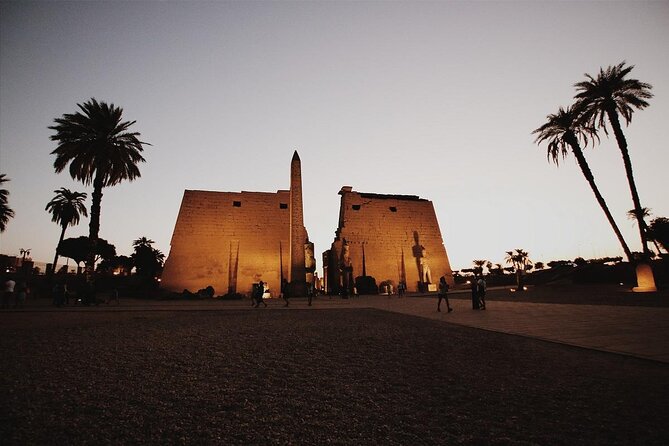
The published plan includes Luxor Temple and Karnak Temple, each with its own suggested visit time, and also lists an optional sound and light show at Karnak. The order can vary. In one version, the evening includes Karnak’s show and an overnight stay in Luxor. Since the next day also includes Karnak and Luxor Temple, confirm the exact timing with your guide after boarding.
Luxor Temple sits on the east bank of the Nile and dates in large part to around 1400 BC. It is known in ancient Egyptian language as Ipet Resyt, or the southern sanctuary. A one-hour visit gives you the main points, but not much time for lingering.
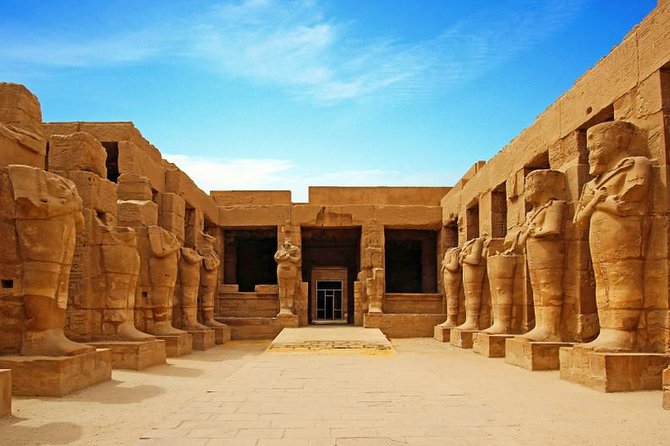
Karnak is far larger, a broad complex of temples, chapels, pylons, and other structures. The listed visit time is about 1 hour and 30 minutes. That is enough for a guided introduction, but you will need to stay with the group if you want to see the main areas before the schedule moves on.
More Nile cruises and felucca sailings:
- From Aswan: 4-Day Nile Cruise from Aswan to Luxor with Guide
★ 4.1 · 593 reviews - 4-Days Nile Cruise From Aswan To Luxor including Abu Simbel and Hot Air Balloon
★ 4.5 · 509 reviews - 4-Day 3-Night Nile Cruise from Aswan to Luxor – Private Tour
★ 5.0 · 369 reviews - 4 Days Nile Cruise from Aswan to Luxor including Abu Simbel and Hot Air Balloon
★ 4.5 · 356 reviews
Day 4: The west bank and the final monuments
After breakfast, you check out and cross to Luxor’s west bank. The day includes the Valley of the Kings, Hatshepsut Temple, and the Colossi of Memnon, followed by lunch and a return to Karnak and Luxor Temple before your transfer to the airport, train station, or bus station.
The Valley of the Kings deserves your full attention, but the planned visit is about 1 hour and 30 minutes. The valley contains rock-cut tombs made for pharaohs and powerful nobles during nearly 500 years of the New Kingdom, from the 16th to 11th century BC.
Your ticket usually determines which tombs you can enter, but the supplied information confirms only that entrance fees are excluded. Ask what the standard ticket covers and if special tombs cost more. With limited time, your guide’s advice can help you use the visit well.
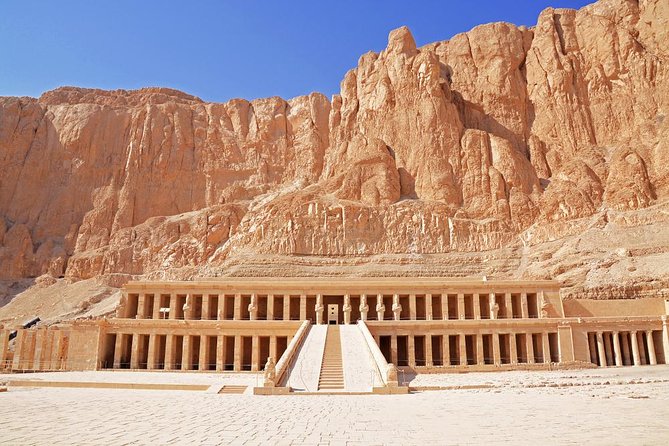
Hatshepsut Temple at Deir el-Bahari is built beneath the cliffs on the west bank. It served as the mortuary temple of the 18th Dynasty pharaoh Hatshepsut and is known as Djoser-Djeseru. The one-hour stop lets you see its terraces and setting, though the midday heat may make the exposed site tiring.
The Colossi of Memnon are included in the west-bank sightseeing description, but no separate visit duration is given. Treat them as a brief roadside stop unless your guide tells you otherwise. They are easy to combine with the larger west-bank sites.
The final visits to Karnak and Luxor Temple repeat places listed on day three. That may mean the schedule changes based on sailing and opening times, or that the program allows these sites to be placed on either day. This is worth confirming at the start. Repeated entries do not necessarily mean you will receive two full guided tours.
The ship, cabins, food, and downtime
The ship is your moving hotel, dining room, and rest area. The general package promises breakfast, lunch, and dinner, with the inclusions listing four dinners, three breakfasts, and three lunches. Since the cruise lasts three nights, ask how the fourth dinner applies to your particular arrival and departure timing.
One ship named in a passenger account was Ms Opera. The cabin had comfortable beds, a clean room, large windows that opened, and a good view along the river. That is encouraging, but it does not guarantee that every departure uses the same vessel or cabin category.
The same account praised the food. Another account described the food as average and the ship as poorly soundproofed, with older or faulty equipment. I would keep expectations practical: the ship may be nicely equipped, but you are booking a mid-range river cruise at $395 per person, not a luxury hotel on water.
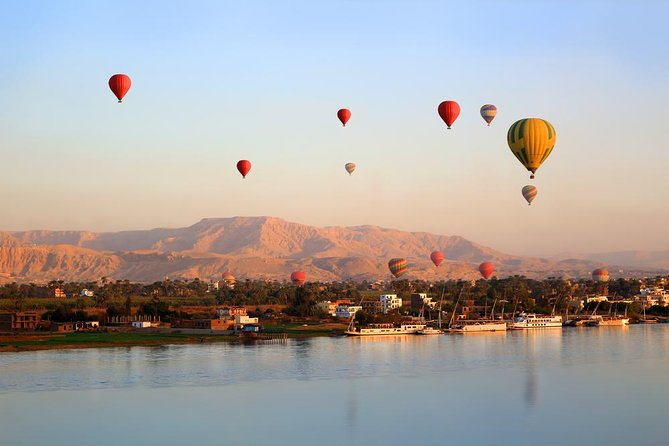
The sun deck and swimming pool give you useful downtime. Use that time. The best moments may come between stops, when you can sit above the river and watch daily life along the banks. The cruise is not only a way to reach temples. It is also a chance to slow down after the noise and movement of sightseeing.
Guides can make or break the four days
The tour includes a guide, and the service is arranged for your own group. That private format can help you ask questions, move at a pace that suits your party, and get direct help with transfers.
Guide quality appears to vary, as it can on any Egypt trip. Karam received mixed feedback, while Mohammed Ramadan was praised for being helpful, punctual, and attentive. Abrahim also helped make one trip run well, and Aymen received especially warm praise for his professionalism, kindness, and love of the subject.
You should use the first meeting to set expectations. Tell your guide if you want more historical explanation, more photo time, or a faster visit. The schedule is tight, so clear communication is the best way to avoid feeling hurried.
What $395 really covers
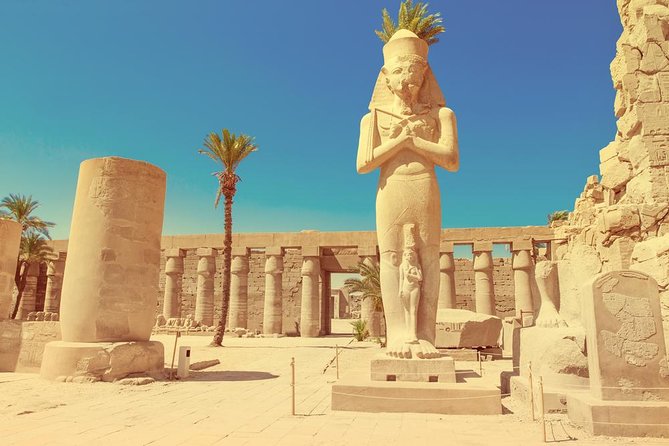
At $395 per person, the cruise offers solid value if you want transport, accommodation, meals, transfers, and a guide combined. It removes much of the work involved in linking Aswan and Luxor, and the route includes the region’s essential temple stops.
But the headline price does not cover everything. You must budget separately for:
- Entrance fees at the listed sites
- The optional Abu Simbel excursion
- Any optional sound and light show
- Tips
- Any other extra tours
The price is most attractive if you plan to see these sights anyway and value the convenience of river transport. It is less attractive if you compare it with a bare transport package, since the add-on fees can change the final total.
The package offers group discounts, mobile tickets, and pickup. Confirmation is provided at booking. The tour begins at 8:00 am, but optional excursions may require a different start time.
Who should book this cruise?
I would choose this trip if you have four days, want the classic Aswan to Luxor route, and prefer a guided plan to arranging trains, cars, tickets, and hotels yourself. It suits first-time visitors who want to cover major sites in a short stay.
It also works well for couples, families, or a small private group that values direct guide service. Most people can participate, and the operator describes the activity as suitable for most participants, but the schedule includes walking, outdoor heat, temple steps, and early starts.
I would hesitate if you need quiet, long visits at each monument, or a polished luxury ship. The strongest criticism is consistent and practical: the sightseeing can feel rushed, the boat may have dated equipment or noise, and extra charges are not minor details.
FAQ
How long is the Nile cruise?
The cruise lasts approximately four days and includes three nights, traveling from Aswan to Luxor.
Where does the cruise begin?
The experience begins in Aswan. Pickup is offered from the Aswan airport, train station, or bus station, with transfer by private air-conditioned car to the ship.
Where does the cruise end?
The cruise ends in Luxor, followed by transfer to a Luxor airport, train station, or bus station.
What meals are included?
The inclusions list dinner, breakfast, and lunch. It specifies four dinners, three breakfasts, and three lunches.
Are entrance fees included?
No. All entrance fees are excluded and must be paid separately.
Is Abu Simbel included?
No. Abu Simbel is an optional tour lasting about six hours, and its admission fee is not included.
Which temples are visited?
The route includes Philae, Kom Ombo, Edfu, Luxor Temple, Karnak Temple, Hatshepsut Temple, and the Valley of the Kings. The west-bank visit also includes the Colossi of Memnon.
Is the sound and light show included?
No. The Karnak sound and light show is listed as optional.
Is this a private tour?
Yes. The tour activity is private, meaning only your group participates in the tour service. The ship itself may have other passengers.
Can I cancel for a refund?
You can cancel at least 24 hours before the experience start time for a full refund. Cancellations or changes made within 24 hours are not refunded or accepted. Cutoff times use local Egyptian time.
Should you book it?
Book this cruise if you want the essential Nile route in a compact package and are comfortable with early mornings, short temple visits, and extra fees. The river views, Philae’s island setting, Kom Ombo, Edfu, and Luxor’s west bank create a strong first look at ancient Egypt.
Before paying, ask which ship will operate, what your entrance tickets will cost, how the Abu Simbel option is timed, and how the day-three and day-four Luxor visits will be divided. If the answers suit your pace, $395 can be a sensible way to connect Aswan and Luxor without constant repacking. If you want a slow, highly polished cruise, choose a longer sailing or a higher ship category instead.
More 4-Day Experiences in Aswan
- 4-Day 3-Night Nile Cruise from Aswan to Luxor With Balloon and Abu Simbel
★ 5.0 · 327 reviews - From Aswan:4 Days Nile Cruise Luxor Abu Simbel & Air Balloon
★ 4.4 · 310 reviews - 4-Day Nile Cruise sails Aswan to Luxor&Abu Simbel.Hot air Balloon
★ 4.5 · 247 reviews - 4-Day Nile Cruise Aswan and Luxor Hot Air Balloon with Abu Simbel
★ 5.0 · 234 reviews
Newly listed around Aswan
- Sailing Nile Cruise from Aswan to Luxor for 2 Nights★ 4.5 · 139 reviews
- Philae Temple and Aswan High-Dam Half-day tour★ 5.0 · 49 reviews
- Private Tour in Aswan : Felucca and Nubian village★ 5.0 · 29 reviews
- Abu Simbel Private Full-Day Tour from Aswan★ 5.0 · 114 reviews
- (3-Nights Cruise From Aswan To Luxor & Balloon, Abu Simbel)★ 4.5 · 23 reviews
- Day Tour to Abu Simbel from Aswan by Bus★ 4.5 · 25 reviews
- 4-Days Aswan sails Nile Cruise Luxor &Abu Simbel.Hot air Balloon★ 4.5 · 77 reviews
- Nubian Village by Motorboat In Aswan★ 5.0 · 97 reviews
Nile Cruises, compared.
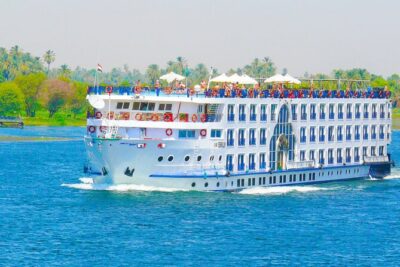
4-Days Nile Cruise From Aswan To Luxor including Abu Simbel and Hot Air Balloon
Read our review →
4-Day 3-Night Nile Cruise from Aswan to Luxor&Abu Simbel+Balloon
Read our review →
Sakkara, Memphis & Dahshur (Pyramid & Felucca Options)
Read our review →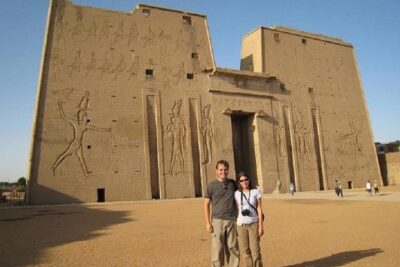
4-Day 3-Night Nile Cruise from Aswan to Luxor including Abu Simbel, Air Balloon
Read our review →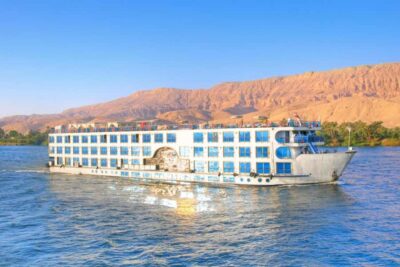
4-Day Nile Cruise from Aswan to Luxor with Guide
Read our review →
4-Days Nile Cruise From Aswan To Luxor including Abu Simbel and Hot Air Balloon
Read our review →Browse the lists this tour appears in