
Reviewed · NILE CRUISES
4 Days 3 Nights Aswan to Luxor Nile Cruise
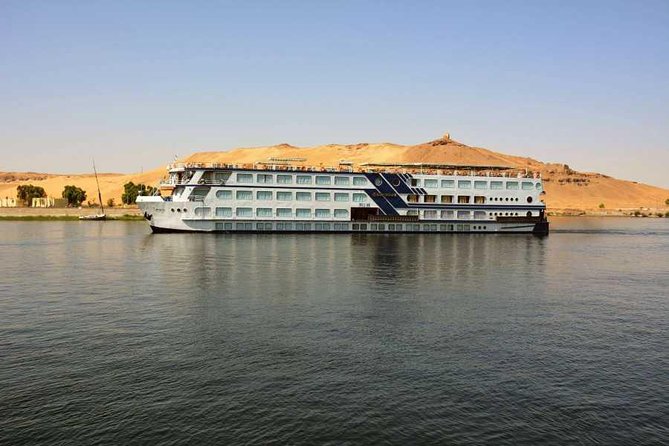
The Nile turns sightseeing into a moving hotel. I like the four-day pace, which gives you time for major temples without packing every hour with road transfers. I also like having meals, private transport, a guide, and three nights on board included in one package. The main caution is that a five-star cruise may feel comfortable rather than luxurious, and entrance fees are extra.
This Aswan to Luxor journey works best if you want Egypt’s major southern sights arranged for you. Guides such as Osama, Ayman, Barry, Gabriel, Gad Ali, and Spanish-speaking Mohamed have earned warm praise for clear explanations and personal help. Still, guide quality can vary, and some excursions may feel crowded or hurried at the busiest sites.
In This Review
- Six details that shape the experience
- What the $395 price really buys you
- Day 1: Philae and the first evening in Aswan
- Day 2: The long Abu Simbel option and Kom Ombo
- Day 3: Edfu, the Esna Lock, and Karnak after dark
- Day 4: Luxor’s west bank before departure
- Guides can make or break the schedule
- Life on board: comfort, food, and honest expectations
- Who should book this Aswan to Luxor cruise?
- Should you book it?
- FAQ
- How long is the Aswan to Luxor Nile cruise?
- Where does the cruise begin?
- Where does the cruise finish?
- What time does the tour start?
- Is Abu Simbel included?
- Are meals included?
- Are entrance fees included?
- Is transportation private?
- Is this a private activity?
- Can I cancel for a full refund?
Six details that shape the experience
- Philae begins the journey: You reach the island temple after arriving in Aswan, with about 90 minutes set aside for the visit.
- Abu Simbel is optional: The six-hour excursion is not part of the basic sightseeing program, but it can add one of Egypt’s most memorable temple visits.
- Three nights on board: You unpack once and move south to north by river instead of changing hotels.
- Meals are included: The cruise is full board, which makes the $395 price easier to assess.
- Edfu uses a horse carriage: This short transfer takes you from the ship to the Temple of Horus.
- The final day is full: Valley of the Kings, Hatshepsut Temple, Colossi of Memnon, Karnak, and Luxor Temple all fit into the departure day.
What the $395 price really buys you
At $395 per person, this is a strong value for a four-day, three-night river trip if you want an organized introduction to Upper Egypt. You receive a private guide, private air-conditioned transportation, cruise accommodation, and meals on board. Pickup is available from Aswan airport, train station, or bus station, with a transfer to the ship.
The price also removes several practical headaches. You do not need to arrange separate transport between Aswan, Kom Ombo, Edfu, Esna, and Luxor. You also avoid repacking each night, which matters in Egypt’s heat and during a schedule filled with early starts.
Look closely at what is not covered. Tipping, extra tours, and entrance fees are excluded. Abu Simbel is an additional excursion, and the listed entrance arrangements are not fully consistent, so I would confirm the exact ticket costs before paying. Some activities are described as free, while the general terms say entrance fees are extra. That is worth clearing up in writing.
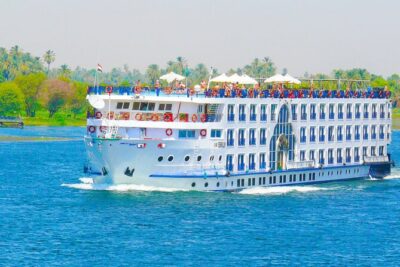
The phrase five-star cruise should also be read with care. The boats used can vary, and the ship shown during booking may not always be the one provided. A boat such as Prince Omar has been described as cozy, clean, and comfortable, while another account found some bathrooms in need of renovation. The food and staff receive better marks than the luxury claim itself.
More Nile Cruises in Aswan
- 4-Days Nile Cruise From Aswan To Luxor including Abu Simbel and Hot Air Balloon
★ 5.0 · 3,142 reviews - 4-Day 3-Night Nile Cruise from Aswan to Luxor&Abu Simbel+Balloon
★ 5.0 · 2,023 reviews - 4-Day 3-Night Nile Cruise from Aswan to Luxor including Abu Simbel, Air Balloon
★ 4.5 · 612 reviews
Day 1: Philae and the first evening in Aswan
Your day begins with pickup at 8:00 a.m., or with an arrival transfer from the Aswan airport, train station, or bus station. A private air-conditioned car takes you to the Nile cruise vessel, with check-in after lunch.
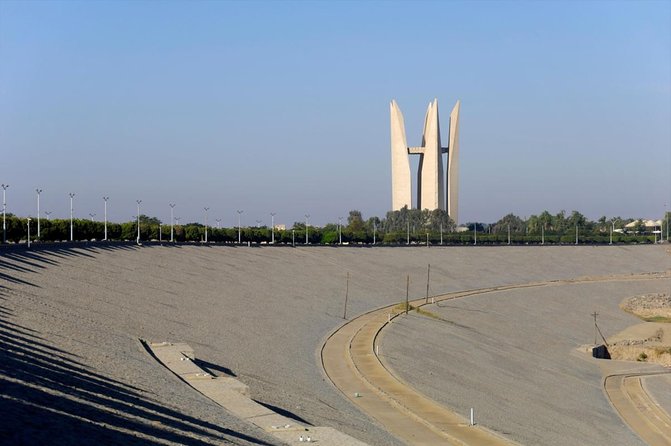
The first major visit is the High Dam and Philae Temple. Philae originally sat near the First Cataract of the Nile, but the temple complex was moved to its present island location after changes to the river’s water levels. That relocation gives the visit an unusual setting: ancient stone buildings surrounded by the waters of the Aswan reservoir.
You have about 90 minutes at Philae. That is enough to see the principal temple spaces and hear the main story, but not enough for a slow archaeological study. Your entrance ticket is not included, so ask your guide how the boat transfer and admission are being handled.
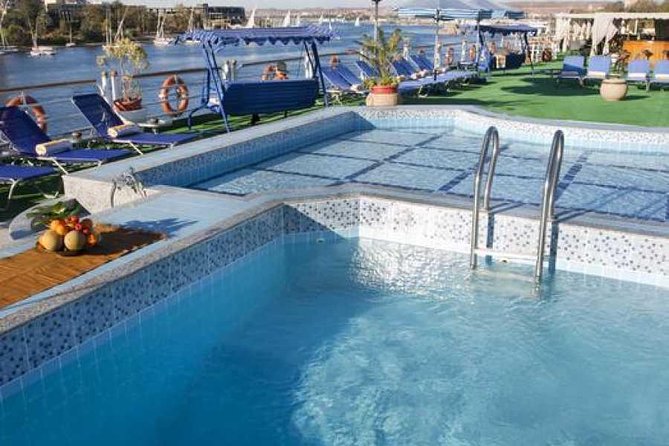
This first afternoon gives you a useful introduction to the trip’s rhythm. You visit one major site, return to the ship, and sleep in Aswan rather than rushing straight into a long sailing day. The pool and sun deck matter here. After the flight or train connection and the temple visit, a quiet hour on deck can be more pleasant than another scheduled activity.
Day 2: The long Abu Simbel option and Kom Ombo
After breakfast, you can stay on board and relax, or pay extra for the Abu Simbel trip. The optional outing takes about six hours and travels roughly 240 kilometers southwest of Aswan, near Egypt’s border with Sudan.
Abu Simbel was built by Ramses II and is famous for its enormous rock-cut temples. The excursion is a serious addition to the day, not a quick side stop. If you choose it, you should expect a long road journey followed by the temple visit, then a return to the cruise schedule. If you are more interested in the river journey and want time to use the pool, staying on board may suit you better.
After lunch, the ship sails toward Kom Ombo. This is one of the trip’s most appealing moments because the Nile becomes the main event. From the deck, you can watch green farmland and river activity pass by while the desert remains close beyond the cultivated strip.
Kom Ombo is unusual because it is a double temple dedicated to two different deities. The surviving complex dates mainly to the Ptolemaic period, from 180 to 47 BC, with later Roman additions. The symmetry is easy to appreciate, even during a short guided visit.
You also visit the crocodile museum. The stop lasts about an hour and admission is listed as included in the itinerary, although the wider tour terms say entrance fees are not included. Again, confirm the final cost before the trip. After Kom Ombo, the ship continues to Edfu for the night.
The timing is practical but not leisurely. You have enough time to see the main features, take photographs, and listen to an explanation. You do not have hours to wander every corner alone.
Day 3: Edfu, the Esna Lock, and Karnak after dark
Edfu begins with a horse carriage ride to the Temple of Horus. The temple is one of Egypt’s best-preserved major temples, and its scale becomes clear as you approach the large entrance pylon.
The visit lasts about 90 minutes. Its reliefs and walls give you a strong sense of how a complete temple complex once worked, from the monumental entrance through the inner sacred areas. Admission is listed separately, so budget for it unless the operator confirms otherwise.
The carriage ride is part of the practical design, since the temple is not directly beside the ship. It also adds a distinctly local touch, though the quality of this part can depend on traffic, timing, and the handling of the carriage operators. Keep the visit focused and stay aware of the agreed meeting time. The ship will continue toward Esna.
At Esna, the vessel crosses the lock before sailing onward to Luxor. A lock passage is a small but memorable piece of river engineering. You may spend more time watching the ship’s position change than expected, especially if several boats are waiting.
The evening plan includes the Karnak sound and light show. The itinerary also lists the Karnak Open Air Museum with about 90 minutes, and the final day includes Karnak Temple itself. Because the wording is not entirely clear, ask your guide whether the evening program is included, optional, or arranged separately.
Karnak after dark can be a fine contrast to the daytime temple visits. The illuminated columns and courtyards give the complex a different mood. Still, do not assume every cruise provides extra entertainment on board. One account specifically noted that there were no shows during the sailing. The sun deck and views may be your main evening relaxation.
More Nile cruises and felucca sailings:
- From Aswan: 4-Day Nile Cruise from Aswan to Luxor with Guide
★ 4.1 · 593 reviews - 4-Days Nile Cruise From Aswan To Luxor including Abu Simbel and Hot Air Balloon
★ 4.5 · 509 reviews - 4-Day 3-Night Nile Cruise from Aswan to Luxor – Private Tour
★ 5.0 · 369 reviews - 4 Days Nile Cruise from Aswan to Luxor including Abu Simbel and Hot Air Balloon
★ 4.5 · 356 reviews
Day 4: Luxor’s west bank before departure
Checkout comes after breakfast, followed by the west-bank tour. This is the most demanding sightseeing day because it combines several major sites before a final transfer to the airport, train station, or bus station.
The Valley of the Kings receives about 90 minutes. The valley served as a burial area for pharaohs and powerful nobles during the New Kingdom, over a period of nearly 500 years. The admission arrangement is not included, and the exact tombs open to the public can vary, so ask what your ticket covers.
Do not judge the valley by the number of tombs you enter. The value lies in seeing the setting and choosing carefully among the available chambers. Tomb visits involve walking and some uneven surfaces, and the heat can make a short route feel longer. Your guide can help you use the limited time well.
Next comes Hatshepsut Temple, a striking monument set against the cliffs. The itinerary does not specify a separate duration, so the time available will depend on the group’s schedule. You will want to balance photographs with the guide’s explanation of Hatshepsut’s reign and the temple’s terraces.
The Colossi of Memnon is a brief stop of about 20 minutes, but it is easy to appreciate. These two huge statues depict Amenhotep III and have watched over the Theban area since about 1350 BC. Admission is listed as included here, although the general terms again advise you to expect extra entrance costs at many sites.
Lunch comes with a break before the east-bank visits. That pause is important. By this point, you will have seen temples, tombs, a dam, a lock, and several long approaches on foot. A proper meal and short rest make the final stops more manageable.
The afternoon continues to Karnak Temple and Luxor Temple. Karnak is enormous, with pylons, columns, chapels, and temple remains spread across a large complex. Luxor Temple feels more compact and urban, and its setting near modern Luxor helps connect ancient Egypt with the city you see today.
The day ends with your transfer to the chosen departure point. Do not book a tight onward connection without checking the expected timing with the operator. The itinerary covers a lot after checkout, and delays at sightseeing stops or transport connections are possible.
Guides can make or break the schedule
The strongest part of this experience is often the guide. Osama is praised for making explanations lively, while Ayman is noted for both strong subject knowledge and practical help. Barry is credited with connecting ancient sites to modern Egyptian culture, and Gabriel is described as kind, informative, and attentive to comfort and safety.
Gad Ali is also praised for helping with arrangements on and off the boat. Families may appreciate the Spanish-speaking Mohamed, whose organization and explanations received especially warm approval. If you need a particular language or have mobility concerns, request that information before booking rather than assuming it will be available.
The caution is that not every guide handles groups in the same way. One account describes a guide as abrupt, while another says visits were less enjoyable because of large crowds and hurried movement. Since this is a private activity for your group, ask whether the guide and transport will remain private throughout the sightseeing.
A good guide here does more than recite dates. You need someone who can explain why Philae was moved, show the difference between Ptolemaic and New Kingdom architecture, manage ticket questions, and keep the final day moving without making it feel like a race.
Life on board: comfort, food, and honest expectations
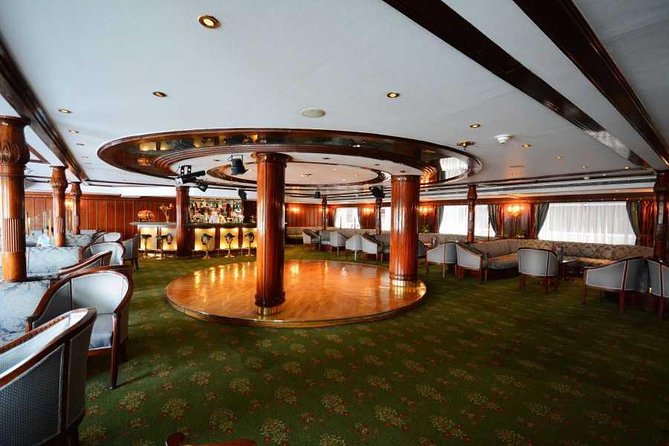
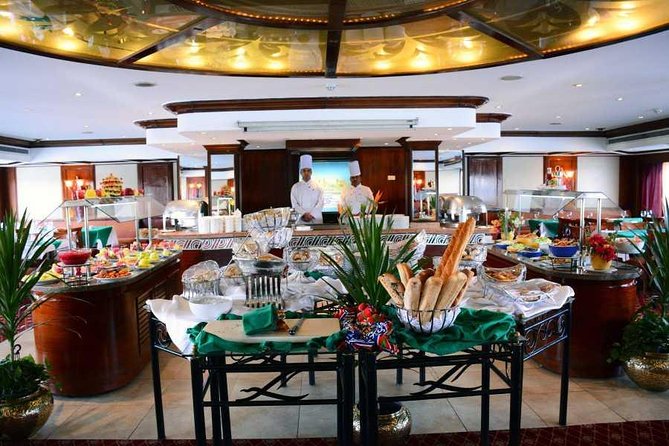
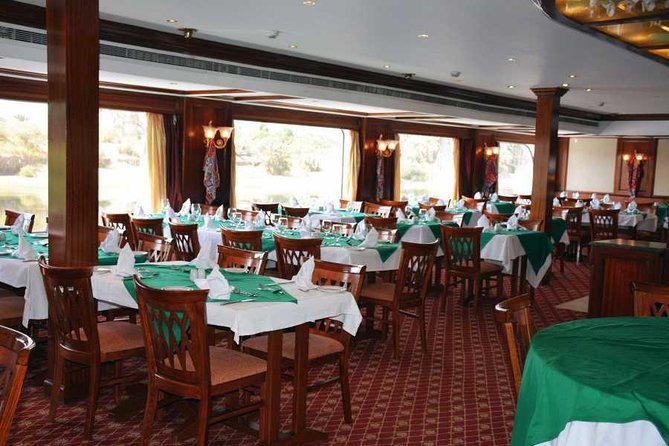
The ship provides three nights of accommodation and full-board meals. That is useful on a route where sightseeing starts early and road transfers can be tiring. Food quality has generally been described as good, and the staff are often praised for being friendly and attentive.
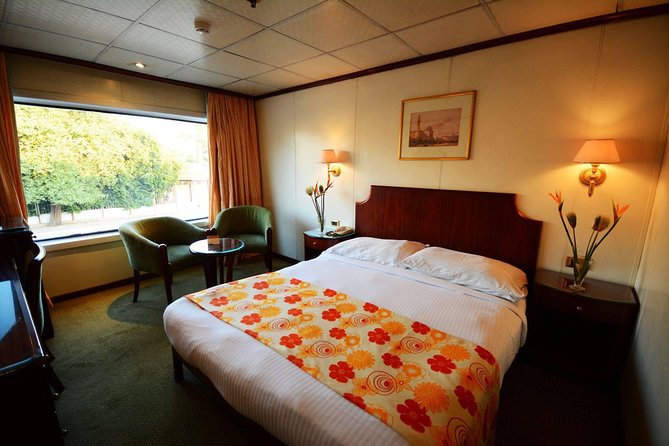
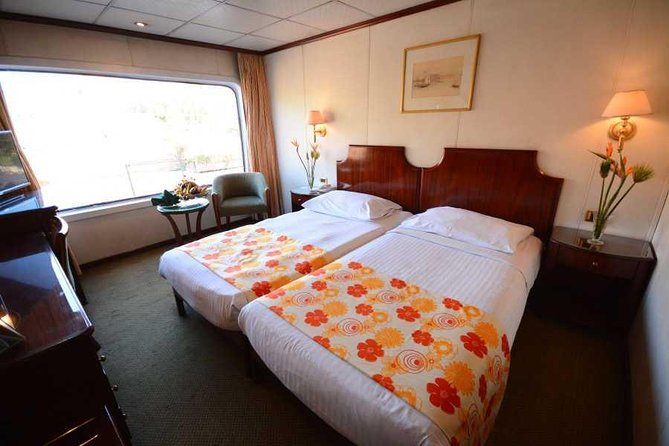
Cabins are described as comfortable, though ship quality can vary. The pool and sun deck offer a place to rest between excursions, and the Nile views are one of the main reasons to choose a cruise instead of a land-only itinerary.
Do not book this expecting polished resort luxury. A boat may be clean and pleasant while still showing wear in bathrooms or common areas. The vessel name may also differ from the boat pictured at the time of booking, so confirm the assigned ship and cabin category if that matters to you.
The cruise’s real luxury is not marble or elaborate entertainment. It is the ability to sit on deck while the river moves past, then return to the same room at night. For many people, that calm rhythm is worth more than a flashier hotel.
Who should book this Aswan to Luxor cruise?
I would choose this trip if you want the major sights covered in four days and prefer someone else to handle transport. It suits first-time visitors, families, couples, and solo visitors who want a guide and a fixed plan.
It also works well if you value variety. In four days, you see island temples, a modern dam, a double temple, a well-preserved Horus temple, royal tombs, Hatshepsut’s monument, Karnak, and Luxor Temple. The river sailing gives your eyes and feet a break between the archaeology.
I would hesitate if you need a genuinely luxury ship, dislike group timing, or want long, quiet visits at each site. I would also add Abu Simbel only if you are comfortable with a six-hour optional excursion on top of the cruise schedule.
The 98 percent recommendation rate and 4.8 rating from 50 reviews suggest a strong overall experience, but the mixed comments about boat standards, guide style, crowds, and ticket descriptions deserve attention. The trip can be excellent value, provided you confirm the details rather than relying on the five-star label alone.
Should you book it?
Book this cruise if your priority is efficient sightseeing, included meals, a private guide, and the pleasure of moving through Upper Egypt by river. The best guides can turn a packed schedule into a clear story, and the staff and Nile views add real warmth.
Before booking, confirm the ship name, cabin standard, guide language, entrance fees, and the cost of Abu Simbel. If those points are clear and you accept comfortable rather than luxurious conditions, $395 is a sensible price for this route.
FAQ
How long is the Aswan to Luxor Nile cruise?
The experience lasts four days and includes three nights of accommodation on a Nile cruise ship.
Where does the cruise begin?
It begins in Aswan. Pickup is offered from Aswan airport, train station, or bus station, followed by private transfer to the cruise ship.
Where does the cruise finish?
The final transfer goes to your Luxor bus station, train station, or airport.
What time does the tour start?
The listed start time is 8:00 a.m.
Is Abu Simbel included?
No. Abu Simbel is an optional extra tour that takes about six hours.
Are meals included?
Yes. The cruise includes full-board accommodation, so meals are provided while you are on board.
Are entrance fees included?
Entrance fees are generally listed as not included. Some individual stops show admission as included or free, so confirm the exact arrangements before the trip.
Is transportation private?
Yes. Private transportation in an air-conditioned vehicle is included, along with a private tour guide.
Is this a private activity?
Yes. Only your group participates in the private tour and activity.
Can I cancel for a full refund?
Yes, if you cancel at least 24 hours before the experience start time. Cancellations within 24 hours are not refunded, and changes within that period are not accepted.
More 4-Day Experiences in Aswan
- 4-Day 3-Night Nile Cruise from Aswan to Luxor With Balloon and Abu Simbel
★ 5.0 · 327 reviews - From Aswan:4 Days Nile Cruise Luxor Abu Simbel & Air Balloon
★ 4.4 · 310 reviews - 4-Day Nile Cruise sails Aswan to Luxor&Abu Simbel.Hot air Balloon
★ 4.5 · 247 reviews - 4-Day Nile Cruise Aswan and Luxor Hot Air Balloon with Abu Simbel
★ 5.0 · 234 reviews
Newly listed around Aswan
- Sailing Nile Cruise from Aswan to Luxor for 2 Nights★ 4.5 · 139 reviews
- Philae Temple and Aswan High-Dam Half-day tour★ 5.0 · 49 reviews
- Private Tour in Aswan : Felucca and Nubian village★ 5.0 · 29 reviews
- Abu Simbel Private Full-Day Tour from Aswan★ 5.0 · 114 reviews
- (3-Nights Cruise From Aswan To Luxor & Balloon, Abu Simbel)★ 4.5 · 23 reviews
- Day Tour to Abu Simbel from Aswan by Bus★ 4.5 · 25 reviews
- 4-Days Aswan sails Nile Cruise Luxor &Abu Simbel.Hot air Balloon★ 4.5 · 77 reviews
- 3-Nights Cruise From Aswan To Luxor, Hot Air Balloon,Abu Simbel★ 4.5 · 46 reviews
Nile Cruises, compared.
4-Days Nile Cruise From Aswan To Luxor including Abu Simbel and Hot Air Balloon
Read our review →
4-Day 3-Night Nile Cruise from Aswan to Luxor&Abu Simbel+Balloon
Read our review →
Sakkara, Memphis & Dahshur (Pyramid & Felucca Options)
Read our review →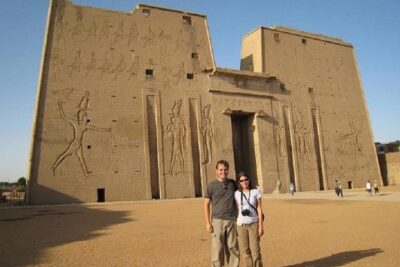
4-Day 3-Night Nile Cruise from Aswan to Luxor including Abu Simbel, Air Balloon
Read our review →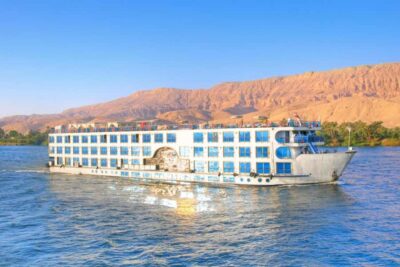
4-Day Nile Cruise from Aswan to Luxor with Guide
Read our review →
4-Days Nile Cruise From Aswan To Luxor including Abu Simbel and Hot Air Balloon
Read our review →Browse the lists this tour appears in