
Reviewed · NILE CRUISES
5 Day Nile Cruise from Luxor to Aswan
The Nile turns sightseeing into a slow journey. This five-day cruise links Luxor and Aswan with major temples, full-board accommodation, guided visits, and long stretches of peaceful river scenery. I especially like the way the cruise combines Luxor’s great temples with the beautifully preserved sites at Edfu, Kom Ombo, and Philae.
I also like the small-group limit of 15 people and the care praised in feedback about guides such as Ibrahim. He is noted for clear explanations, calm organization, Portuguese and Spanish language support, and an eye for photographs. The main catch is financial: entrance fees, drinks, WiFi, and tips are extra, and Abu Simbel on the final morning is an optional tour rather than a simple part of the cruise.
In This Review
- Key points to know before booking
- What the $600 price really covers
- Day 1: Karnak and Luxor Temples before sailing
- Day 2: Hatshepsut, royal tombs, and the Esna Lock
- Day 3: The remarkably preserved Temple of Horus at Edfu
- Day 4: Philae Temple and Aswan’s island setting
- Day 5: Abu Simbel and the very early departure
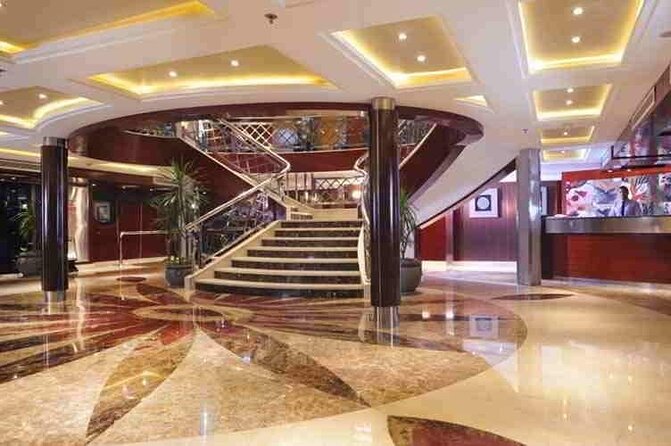
- Life on the ship: food, service, and practical limits
- How the schedule feels in real life
- Who will get the most from this cruise
- Should you book the Luxor to Aswan cruise?
- FAQ
- What is included in the 5-day Nile cruise?
- Are entrance fees to the temples included?
- Is Abu Simbel included in the main cruise?
- Where can I be picked up in Luxor?
- Is a vegetarian meal available?
- How large is the group?
Key points to know before booking
- Karnak and Luxor Temples come first: Your cruise begins with two of Luxor’s most important monuments on the East Bank.
- The West Bank takes up much of Day 2: You visit the Colossi of Memnon, Hatshepsut’s temple, and the Valley of the Kings before sailing south.
- Edfu and Kom Ombo are the river journey’s highlights: These temples give you a close look at Egyptian religious life under later Greek and Roman rulers.
- Philae requires a motorboat: The temple sits on Aglika Island and was moved when the High Dam threatened to cover it.
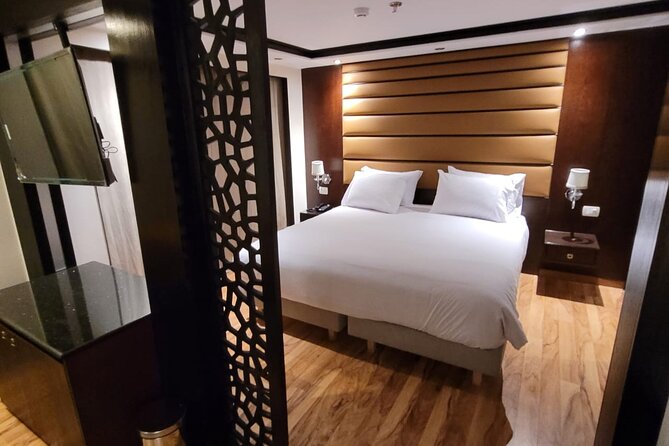
- The ship provides four nights of full board: Breakfast, lunch, and dinner are included during the cruise, but drinks are not.
- Abu Simbel means an early finish: The optional visit begins around 4:30 AM on Day 5 and lasts about nine hours.
What the $600 price really covers
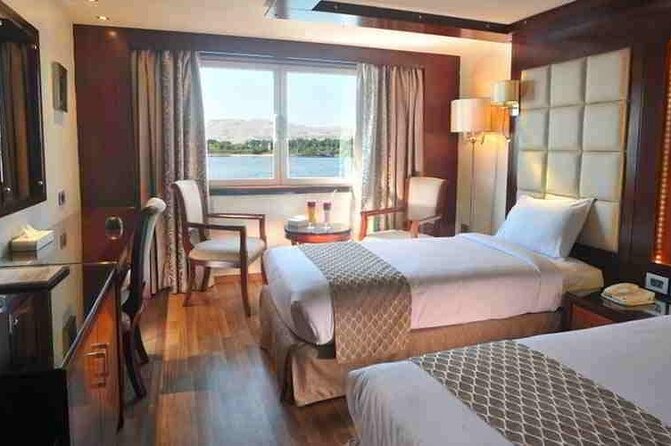
At $600 per person, this cruise offers a useful package for anyone who wants Egypt’s main southern monuments arranged in one trip. You receive four nights aboard a five-star Nile cruise on a full-board basis, transfers in an air-conditioned vehicle, guided sightseeing with an Egyptologist, bottled water during outings, and meet-and-greet service at arrival and departure.
That price is strongest when you value convenience. You do not need to arrange separate transport between Luxor, Edfu, Kom Ombo, and Aswan, and you are not repeatedly packing and unpacking for each stop. The ship also turns the long distances into part of the experience rather than dead time on a road.
Still, $600 is not the final amount you should budget. Entrance fees to historical sites are excluded, along with drinks during meals, WiFi on the ship, laundry, personal expenses, and tips for the guide, drivers, and cruise crew. The optional Abu Simbel excursion also needs careful checking at booking, since it is described separately from the included cruise excursions.
The published experience has a maximum of 15 people, which is a useful middle ground. You get the efficiency of a group tour without the scale of a large coach party. If your guide is Ibrahim, the feedback gives particular praise to his historical explanations, friendly manner, safety-conscious organization, and photography.
More Nile Cruises in Aswan
- 4-Days Nile Cruise From Aswan To Luxor including Abu Simbel and Hot Air Balloon
★ 5.0 · 3,142 reviews - 4-Day 3-Night Nile Cruise from Aswan to Luxor&Abu Simbel+Balloon
★ 5.0 · 2,023 reviews - 4-Day 3-Night Nile Cruise from Aswan to Luxor including Abu Simbel, Air Balloon
★ 4.5 · 612 reviews
Day 1: Karnak and Luxor Temples before sailing
Your first day begins with pickup from a Luxor hotel, Luxor airport, or the railway station. You are then transferred to the cruise ship, with boarding planned before lunch. Lunch is served on board before the afternoon visit to the East Bank.
The operator gives an important timing tip: if you arrive very early, the sightseeing may begin upon arrival rather than leaving you waiting for the ship’s noon check-in. That can help you avoid wasting the hottest part of the day in a lobby. It also means you should be ready to start sightseeing soon after pickup.
Karnak is not one compact temple building. It is a large religious complex of sanctuaries, pylons, kiosks, and obelisks connected with the Theban gods Amun, Mut, and Khonsu. I like this stop because its scale helps you understand how ancient Egyptian worship worked on a grand civic level. Give yourself time to look up and around instead of rushing from one carved wall to the next.
The next visit is Luxor Temple, much of which was built under Amenhotep III and later completed or expanded by rulers including Tutankhamun and Ramses II. The first pylon includes scenes linked to Ramses II’s Battle of Kadesh. Its location in modern Luxor gives the monument a different feel from the wider Karnak complex.
You return to the ship for dinner, followed by a folkloric show. The first night is busy, but the order makes sense: two major sites are handled before the cruise settles into its river rhythm.
Day 2: Hatshepsut, royal tombs, and the Esna Lock
Day 2 begins after breakfast with Luxor’s West Bank. The first stop is the Colossi of Memnon, two huge statues of Amenhotep III. Smaller figures representing his wife and mother are carved near his legs, details that are easy to miss if you only pause for a quick photograph.
The stop is scheduled for about 30 minutes and admission is listed as free. It is brief, so treat it as an introduction rather than a full archaeological visit.
Next comes the Temple of Hatshepsut at Deir el Bahari. Its broad terraces rise against the limestone cliffs, creating one of the most memorable settings on the trip. Hatshepsut’s story is also a useful reminder that Egypt’s royal succession was not always straightforward. The visit is planned for about 90 minutes.
The Valley of the Kings follows, with roughly three hours listed for the visit. This is where the day becomes more demanding, but also more rewarding. The valley was used for royal burials, and the tombs of rulers such as Merneptah, Ramses III, and Ramses VI are part of the wider site.
Entrance fees are not included, and the exact tomb access should be confirmed locally. Tomb openings can differ, so do not assume that every named tomb will be available on the day.
After returning to the ship, you begin sailing toward Edfu through the Esna Lock. This is one of the best parts of choosing a cruise instead of a road-based itinerary. You can sit on the sundeck, watch the Nile’s changing scenery, and have afternoon tea while the ship moves south.
You spend the night in Edfu. Lunch and dinner are included, and the ship’s schedule gives you a welcome pause after a full morning of monuments.
Day 3: The remarkably preserved Temple of Horus at Edfu
Edfu’s Temple of Horus is often the architectural star of the cruise. It is described as the best-preserved temple in Egypt, and its condition makes the carved reliefs and monumental spaces easier to read than at some older, more weathered sites.
The temple was built during the Ptolemaic period, beginning under Ptolemy III in 237 BC. Its walls tell stories connected with Horus, the falcon-headed god, and the conflict between Horus and Seth. An Egyptologist guide adds real value here because the carvings are not merely decoration. They relate to religious stories and ceremonies that shaped the temple’s purpose.
The visit lasts about three hours. That is enough time to see the principal areas without turning the morning into a race, though the Egyptian heat can still make the walk tiring. Bottled water is provided during outings, but you should carry it and use the shaded areas when possible.
Back on board, you sail for roughly five hours toward Kom Ombo. The long stretch is not a flaw. It is the part of the trip when you can use the sundeck, watch the riverbanks, and let the pace slow down. The ship serves lunch and afternoon tea during the journey.
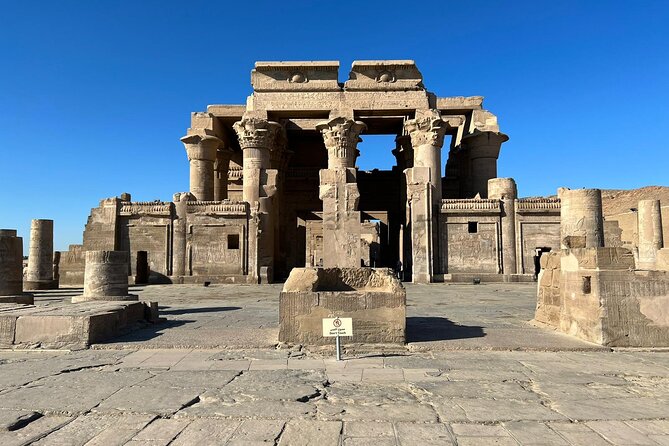
Kom Ombo Temple is unusual because it was dedicated to two gods: Sobek, the crocodile god, and Horus the Elder. It was built during the Ptolemaic period around 180 BC and later connected with Roman rule. Its position close to the river makes it a particularly attractive stop, especially as the light changes late in the day.
The cruise then continues toward Aswan, with dinner and a Galabiyah party on board. You spend the night in Aswan.
More Nile cruises and felucca sailings:
- From Aswan: 4-Day Nile Cruise from Aswan to Luxor with Guide
★ 4.1 · 593 reviews - 4-Days Nile Cruise From Aswan To Luxor including Abu Simbel and Hot Air Balloon
★ 4.5 · 509 reviews - 4-Day 3-Night Nile Cruise from Aswan to Luxor – Private Tour
★ 5.0 · 369 reviews - 4 Days Nile Cruise from Aswan to Luxor including Abu Simbel and Hot Air Balloon
★ 4.5 · 356 reviews
Day 4: Philae Temple and Aswan’s island setting
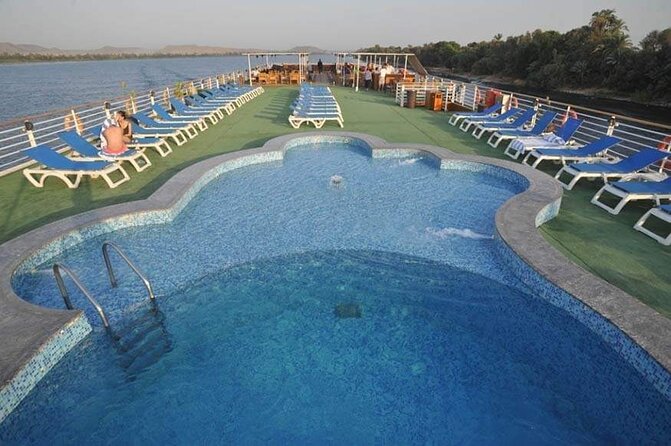
Day 4 is lighter, with Philae Temple as the main scheduled visit. After breakfast, you take a small motorboat to Aglika Island. That boat ride is not just transport. It gives you a pleasant approach to a temple surrounded by water and changes the feel of the trip after several land-based monuments.
Philae is a Greco-Roman complex dedicated to Isis. Its importance continued after the main periods of the pharaohs, and it remained one of the last places where the ancient Egyptian religion survived after Christianity arrived in Egypt.
The temple was moved to its current location when construction of the High Dam threatened to submerge it. That rescue effort is part of what makes the visit especially meaningful. You are not seeing the monument in its original island position, but you are seeing the result of a major preservation project that saved it from permanent flooding.
The visit is scheduled for about three hours. Admission is extra, and the small motorboat is part of the visit. The rest of the day is not filled with another major attraction in the supplied schedule, so you have more time to enjoy the ship and Aswan.
This slower day is useful. The first three days contain long sightseeing sessions, early starts, and several large temple complexes. Philae gives you a focused morning without another packed list of stops afterward.
Day 5: Abu Simbel and the very early departure
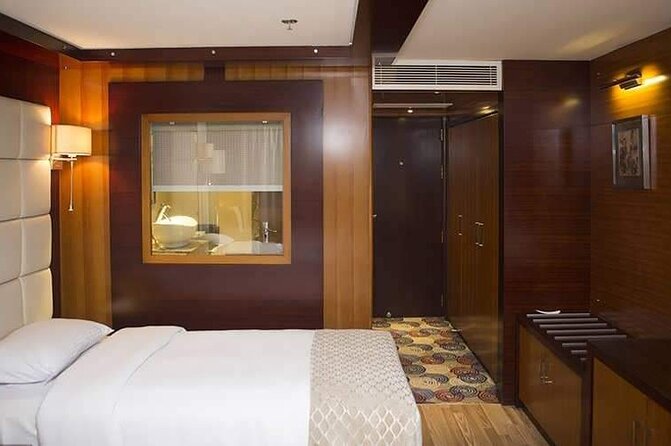
The final day begins with breakfast and checkout. The optional Abu Simbel trip leaves around 4:30 AM and lasts about nine hours. Pickup for this visit is by small shared group.
Abu Simbel contains two rock-cut temples built for Ramses II and Queen Nefertari. Their grand facades and distinctive design make them one of Egypt’s most memorable ancient sites. The temples also carry a modern story: the Egyptian government and UNESCO worked together to save them from flooding after the High Dam was built.
This is not a casual add-on. A 4:30 AM departure followed by a nine-hour excursion makes Day 5 long, especially after four days of sightseeing. If Abu Simbel is a priority, the early start is likely worth the effort. If you prefer a gentle final morning, confirm exactly what is included and decide before booking.
Because the description calls Abu Simbel optional, do not assume that its entrance ticket, transport, or guide services are covered by the $600 price. Ask the provider for the current cost and inclusions.
Life on the ship: food, service, and practical limits
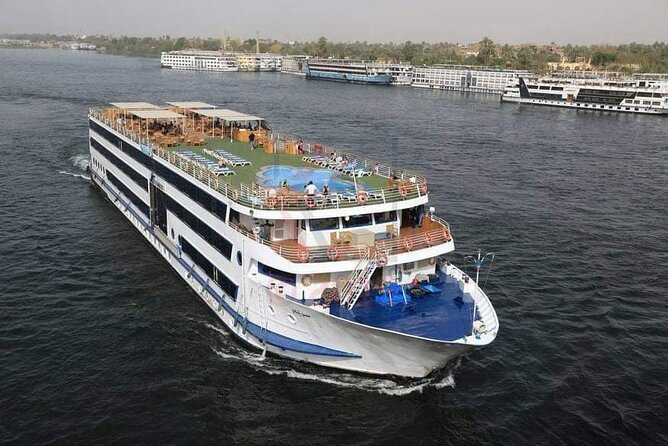
The cruise includes four breakfasts, four lunches, and four dinners. Feedback describes clean facilities, buffet meals, good desserts, and friendly crew service. One useful detail is that a breakfast bag may be provided if you miss the meal, though you should confirm this in advance if your schedule requires it.
The crew also received praise for small acts of care, such as folded towel arrangements and bringing warm milk in the morning. Those details do not replace a comfortable cabin or good maintenance, but they suggest a service style that many people will appreciate.
Drinks during meals are not included. WiFi is also excluded, and the Nile cruise may not be the place to rely on a constant internet connection. Bottled water is supplied during sightseeing away from the ship, which matters in Luxor, Edfu, Kom Ombo, and Aswan, where heat can affect your energy quickly.
Vegetarian meals are available if requested at booking. Tipping is not included, so keep separate money for the Egyptologist guide, drivers, and ship crew.
How the schedule feels in real life
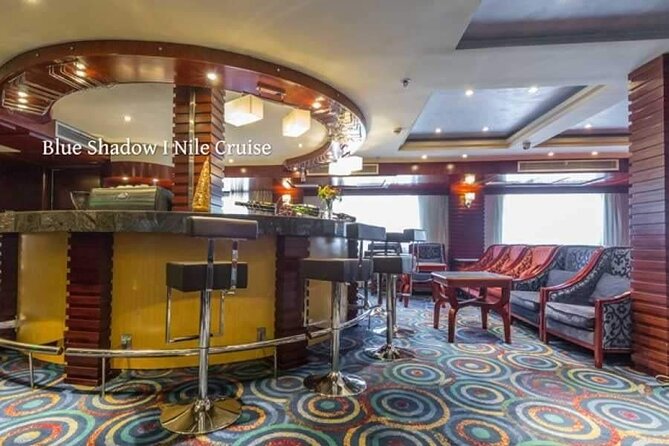
This is an active five days, not a lazy river holiday. You get several early starts, long temple visits, and a particularly demanding second day. The reward is a coherent route through Egypt’s most important southern sights without arranging every transfer yourself.
The cruise also gives you time to appreciate the river between visits. Afternoon tea on the sundeck, the passage through Esna Lock, and the sailing from Edfu to Kom Ombo are not filler. They are the moments when you see how villages, cultivated riverbanks, and dry desert edges sit together along the Nile.
Heat is the main physical concern mentioned in the feedback. Older adults and young children may need extra care, especially during the West Bank and Valley of the Kings visits. Wear light clothing, use sun protection, and keep water close. Most people can participate, and the activity information lists no special health restrictions.
Who will get the most from this cruise
I would choose this trip if you want the main Luxor to Aswan sights in one organized package and prefer moving by river rather than changing hotels. It suits first-time visitors who want an Egyptologist to explain the temples and a guide to handle the day-to-day movement.
It is also a good fit for people who enjoy photography. Ibrahim is repeatedly praised as a skilled photographer, and the feedback gives special attention to his ability to find quieter visiting times and take strong pictures. Language support in Portuguese and Spanish is also noted in the feedback, though you should confirm the guide assigned to your departure.
I would hesitate if you want a highly flexible private itinerary, guaranteed access to every named tomb, or a trip with no extra costs beyond the advertised price. I would also think twice if very early mornings and long days are difficult for you.
Should you book the Luxor to Aswan cruise?
I would book it if you want a well-organized introduction to the Nile corridor, value full-board accommodation, and are happy to pay entrance fees and tips separately. The combination of Karnak, Luxor Temple, Hatshepsut, the Valley of the Kings, Edfu, Kom Ombo, and Philae gives you a strong five-day route.
Before paying, confirm the ship name, cabin details, entrance-fee total, guide language, and the exact price of Abu Simbel. If those points suit your budget, the $600 package offers good practical value, particularly for the small group size and the number of major sites covered.
Free cancellation is available up to 24 hours before the start time. The operator may also offer a new date or full refund if poor weather or an insufficient number of bookings cancels the experience.
FAQ
What is included in the 5-day Nile cruise?
The price includes meet-and-greet service, air-conditioned transfers, four nights on a five-star cruise with full board, the listed Nile cruise excursions, an Egyptologist guide, bottled water during outings, four breakfasts, four lunches, and four dinners.
Are entrance fees to the temples included?
No. Entrance fees to historical sites are listed as an extra cost, so you should budget for them separately.
Is Abu Simbel included in the main cruise?
Abu Simbel is described as an optional tour on Day 5. It begins around 4:30 AM, uses a small shared group, lasts about nine hours, and should be confirmed with the provider for its current price and inclusions.
Where can I be picked up in Luxor?
Pickup is offered from a Luxor hotel, Luxor airport, or Luxor railway station.
Is a vegetarian meal available?
Yes. A vegetarian option is available, but you need to request it when booking.
How large is the group?
The activity has a maximum of 15 participants. The Abu Simbel visit is specifically described as using a small shared group.
More 5-Day Experiences in Aswan
- From Aswan: 5-Day Nile Cruise to Luxor with Hot Air Balloon
★ 3.5 · 19 reviews - From Cairo: 5-Day Egypt Highlights Private Tour with Flights
★ 4.0 · 338 reviews - Egypt: Private 5-Day Tour, Nile Cruise, Flights & Balloon
★ 4.1 · 248 reviews - 5 Days Private Guided Nile River Cruise Tour from Luxor to Aswan
★ 5.0 · 229 reviews
Newly listed around Aswan
- Sailing Nile Cruise from Aswan to Luxor for 2 Nights★ 4.5 · 139 reviews
- Philae Temple and Aswan High-Dam Half-day tour★ 5.0 · 49 reviews
- Private Tour in Aswan : Felucca and Nubian village★ 5.0 · 29 reviews
- Abu Simbel Private Full-Day Tour from Aswan★ 5.0 · 114 reviews
- (3-Nights Cruise From Aswan To Luxor & Balloon, Abu Simbel)★ 4.5 · 23 reviews
- Day Tour to Abu Simbel from Aswan by Bus★ 4.5 · 25 reviews
- 4-Days Aswan sails Nile Cruise Luxor &Abu Simbel.Hot air Balloon★ 4.5 · 77 reviews
- 3-Nights Cruise From Aswan To Luxor, Hot Air Balloon,Abu Simbel★ 4.5 · 46 reviews
Nile Cruises, compared.
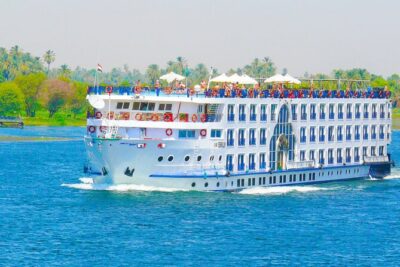
4-Days Nile Cruise From Aswan To Luxor including Abu Simbel and Hot Air Balloon
Read our review →
4-Day 3-Night Nile Cruise from Aswan to Luxor&Abu Simbel+Balloon
Read our review →
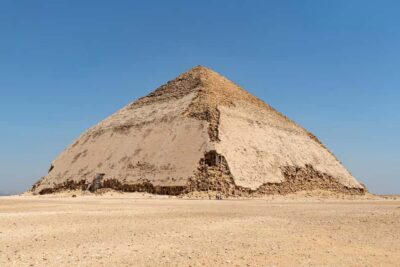
Sakkara, Memphis & Dahshur (Pyramid & Felucca Options)
Read our review →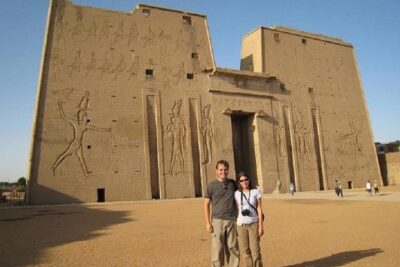
4-Day 3-Night Nile Cruise from Aswan to Luxor including Abu Simbel, Air Balloon
Read our review →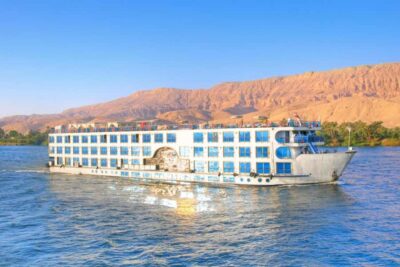
4-Day Nile Cruise from Aswan to Luxor with Guide
Read our review →
4-Days Nile Cruise From Aswan To Luxor including Abu Simbel and Hot Air Balloon
Read our review →Browse the lists this tour appears in