
Reviewed · NILE CRUISES
5 Day Nile Cruise from Cairo to Luxor and Aswan
Egypt rewards a well-planned route. This five-day journey links Cairo, Luxor, Edfu, Kom Ombo, Aswan, and Abu Simbel with domestic flights, four nights on a 5-star Nile cruise, and an Egyptologist guide. I especially like the private tour format, which gives your group a more personal pace, and the excellent sweep of major sights, from Karnak to Abu Simbel.
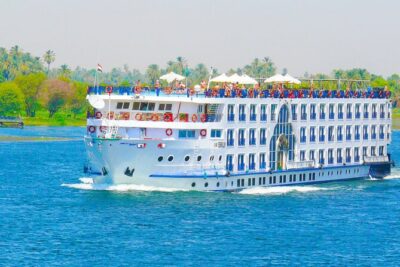
The plan also removes much of the usual travel friction. Pickup and drop-off in Cairo, flights, cruise accommodation, meals, and sightseeing transfers are included. The main consideration is the ship itself: one review describes the cruise as a little old, even while praising the food, staff, and guide Abdul.
In This Review
- Key points to know before booking
- What the $1,315 price really covers
- Day 1: Cairo to Karnak and Luxor Temple
- Day 2: West Bank tombs and the first sailing
- Day 3: Edfu and the unusual temple at Kom Ombo
- Day 4: Philae Island and the Aswan High Dam
- Day 5: The long road to Abu Simbel
- The guide, ship, meals, and pace
- What to pack and how to manage the schedule
- Who should book this Nile cruise?
- Final verdict: a strong first Nile itinerary
- FAQ
- How long is the Nile cruise?
- Where does the tour begin?
- Where does the tour end?
- Is the tour private?
- Is an Egyptologist guide included?
- Which major sites are included?
- Are meals included?
- Is the Abu Simbel entrance fee included?
Key points to know before booking
- Cairo-to-Luxor logistics: Your trip begins with hotel pickup in Cairo and a domestic flight to Luxor, then ends with a flight from Aswan back to Cairo.
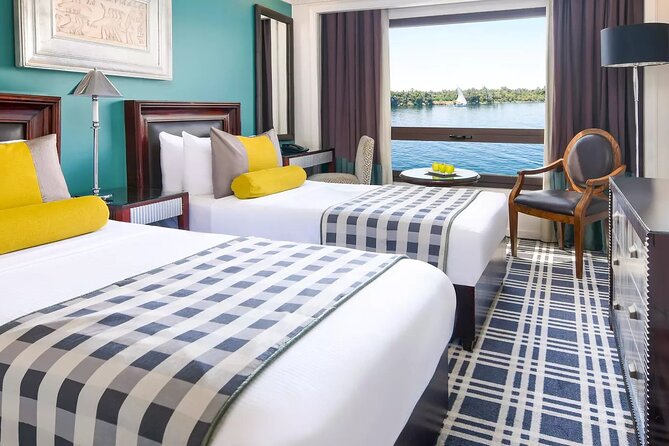
- Four nights on the Nile: The cruise gives you a moving base between Luxor and Aswan instead of changing hotels each night.
- Abdul earns special praise: He is described as punctual, carefully prepared, helpful, and excellent at pointing out details you might otherwise miss.
- Big ancient sites are included: Karnak, Luxor Temple, the Valley of the Kings, Hatshepsut’s temple, Edfu, Kom Ombo, Philae, and the Aswan High Dam are all part of the route.
- Abu Simbel is a long final outing: Expect about seven hours by air-conditioned vehicle, and note that its admission fee is not included.
- Private does not mean slow: This is a packed five-day schedule, with early starts and several long sightseeing days.
What the $1,315 price really covers
At $1,315.15 per person, this is not a budget Nile trip. Still, the price includes four nights on a 5-star cruise, Cairo transfers, domestic flights between Cairo and Upper Egypt, entrance fees for the main included sights, meals, and a private Egyptologist guide.
That bundle matters in Egypt. Booking each flight, hotel transfer, cruise night, temple visit, and guide separately would require more planning and more chances for a missed connection. Here, the route is arranged around the cruise schedule, which is the practical way to see this part of the country in only five days.
You receive breakfast on all four cruise mornings, three lunches, and three dinners. The final Abu Simbel outing is different: the air-conditioned transfer is included, but the temple admission fee is not. Gratuities are also extra, so keep money aside for tipping your guide, drivers, and cruise staff.
The value is strongest if you want a ready-made private itinerary rather than a bare cruise cabin. It is less compelling if you prefer to spend several days in one place or choose every hotel and meal yourself. The schedule is designed for coverage, not for extended free time.
More Nile Cruises in Cairo
- Luxury Felucca on the Nile with Lunch
★ 5.0 · 994 reviews - Giza: Sakkara, Memphis & Dahshur (Pyramid & Felucca Options)
★ 4.8 · 626 reviews - Private Felucca Ride on the Nile River
★ 4.2 · 537 reviews
Day 1: Cairo to Karnak and Luxor Temple
Your Cairo hotel pickup leads to a domestic flight to Luxor. That flight is a major time saver. Traveling overland from Cairo would use a large part of this short holiday, while flying lets you reach Upper Egypt and begin sightseeing on the first day.
Karnak Temple is the opening heavyweight. The complex includes temples, pylons, chapels, and other structures, so the two-hour visit gives you room to see more than one grand entrance. Your Egyptologist guide is important here. Without context, Karnak can feel like a giant collection of stone columns and walls. With a guide, the buildings become part of a story about royal power, religious ritual, and the gods of ancient Thebes.
After Karnak, you visit Luxor Temple for about an hour. It sits on Luxor’s east bank and was built around 1400 BCE. Unlike a temple intended only for daily worship, Luxor Temple was linked with the renewal of kingship and ceremonies involving Amun, Mut, and Khonsu. That makes it a useful companion to Karnak, since you see two major sites in the same city with different roles.
You then check into the cruise ship. The change from sightseeing to shipboard rest should feel welcome, especially after a flight and two major temples. In the evening, you can walk through Luxor’s old market before returning to the boat for the night.
The market visit is one of the few moments when the trip moves away from formal monuments. It gives you a brief look at everyday Luxor, though the schedule does not allow a long independent exploration. Keep the evening modest, since the next morning begins early.
Day 2: West Bank tombs and the first sailing
The second morning starts with a West Bank visit. The schedule says you reach the area by motorboat before continuing by road to the Valley of the Kings. That crossing adds a small river experience before the main archaeological stops.
The Valley of the Kings is the day’s major attraction. You have about two hours for the visit, and entrance fees to the included sights are covered. The valley is famous for royal tombs cut into the desert hills, and your guide can help you understand why the site matters beyond its famous name.
Do not expect to see every tomb. The schedule is shared across several important stops, and the exact tombs open to visitors can vary. Your guide will help you use the available time sensibly.
Next comes the Temple of Hatshepsut at Deir el Bahari. Its terraces and cliffside setting make it one of Egypt’s most memorable buildings. The one-hour visit is enough to appreciate the architecture and the story of Hatshepsut, a powerful ruler of Egypt’s Eighteenth Dynasty.
The Colossi of Memnon follow. These two huge statues once stood before the mortuary temple of Amenhotep III. The stop lasts about 30 minutes and is more of a quick photo and orientation visit than a long temple tour. That is appropriate because much of the original temple is ruined, but the statues still provide a striking link to the scale of the Theban royal zone.
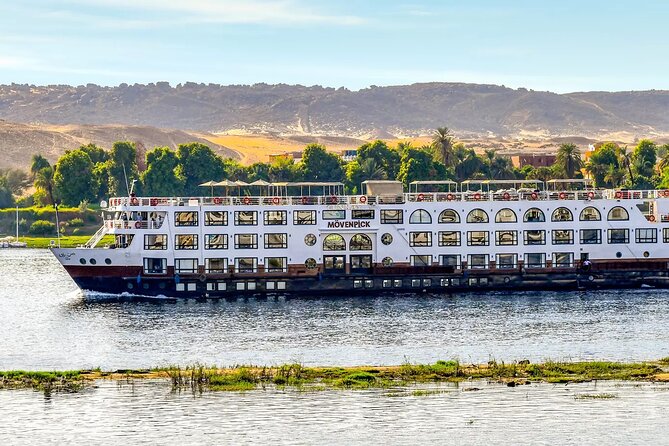
You return to the cruise and begin sailing. This is where the ship earns its place in the itinerary. Instead of spending the afternoon in a bus, you can watch Nile islands, river traffic, and scenes of local life pass from the deck. The boat also travels through the Esna Lock before continuing toward Edfu for the night.
A cruise day is not just transport. It changes the rhythm of the trip. You move between ancient sites while keeping the same room, eating onboard, and having time to sit outside with a drink. That slower stretch is a welcome balance to the early sightseeing.
Day 3: Edfu and the unusual temple at Kom Ombo
Edfu Temple comes early on day three. The ride from the boat is by horse and carriage, a traditional part of the visit that also reflects the practical challenge of reaching the temple from the river.
The temple is dedicated to Horus and receives about two hours of sightseeing time. It is among the best-preserved major temples on this route, which helps you read its courtyards, columns, and carved walls more clearly. The long visit gives your guide enough time to explain the main features rather than rushing you through the entrance and back.
When you return to the boat, you have time on the sundeck as the ship continues toward Kom Ombo. I would make good use of this stretch. The Nile views are one of the strongest parts of the cruise, and sitting outside lets you see the river as a living route rather than simply a backdrop for monuments.
Kom Ombo Temple is reached around sunset. Its unusual design comes from its double dedication and layout. The temple was built during the Ptolemaic period, from 180 to 47 BC, with later Roman additions. A one-hour visit is short, but sunset can give the stone a changing color and make the site feel distinct from the much larger complexes at Luxor.
The evening ends onboard. Day three is well balanced: one substantial morning site, a river passage, and a smaller temple near sunset. You still need to rise early at several points in this itinerary, so the ability to return directly to the ship is useful.
More Nile cruises and felucca sailings:
- Cairo: 1 or 2-Hour Felucca Ride on the Nile with Transfers
★ 3.5 · 451 reviews - Cairo Private Felucca OnThe Nile River With Pickup and Soft Drink
★ 4.5 · 438 reviews - Giza: Pyramid, Memphis, Sakkara W/Opt Dahshur & Felucca Tour
★ 4.8 · 361 reviews - 6 Days Hypnotic Cairo & Nile Cruise Tour Package
★ 5.0 · 248 reviews
Day 4: Philae Island and the Aswan High Dam
Day four takes you into Aswan, where an Egyptian motorboat carries you to Philae Island Temple. The boat ride is part of the appeal. Philae is not simply a roadside monument, and arriving over the water gives the visit a clear sense of place.
The temple receives about two hours. Philae is especially important in the modern story of Egypt because the complex was moved to higher ground when the original island was threatened by rising water from the Aswan High Dam. The tour includes the temple entrance, the boat transfer, and a guide to help connect the ancient site with the engineering project that changed the river.
The next stop is the Aswan High Dam, with about an hour allocated. The dam was built between 1960 and 1970 and was once the tallest earthen dam in the world. It is not an ancient monument, but it explains much about modern Egypt, including the control of the Nile and the relocation of sites such as Philae.
You return to the cruise accommodation after the Aswan visits. This is another full day, but it covers two stops that complement one another. Philae shows what Egypt preserved from its ancient past, while the dam shows the scale of the modern project that reshaped the river.
Day 5: The long road to Abu Simbel
The final outing is Abu Simbel, reached by air-conditioned vehicle. The day is listed at about seven hours, so you should treat it as a major excursion rather than a quick final stop.
The Abu Simbel Temple Complex is a UNESCO World Heritage Site and one of Egypt’s most famous sights. The length of the transfer is the main drawback. After four days of cruise-based sightseeing, a long road journey can feel tiring, especially if you have already had several early mornings.
Still, this visit can be the deciding reason to choose the tour. Abu Simbel is far from the main Nile cruise route, and adding it without organized transport takes extra work. Here, the vehicle and transfer are arranged as part of the day.
The entrance fee is not included, so budget for it separately. The provided information does not give a specific admission price, so check the current amount before departure rather than assuming it is covered by the other temple tickets.
The guide, ship, meals, and pace
The strongest personal service comes from the guide. Abdul is praised for being punctual, professional, carefully prepared, and eager to help. Those qualities matter on a Nile cruise, where timing is tied to boat departures, temple opening schedules, motorboats, horse carriages, and flights.
A good Egyptologist guide also changes how you see the monuments. Karnak, Luxor Temple, Hatshepsut, Edfu, Kom Ombo, and Philae are not interchangeable ruins. Each has a different period, purpose, and design. The guide’s job is to make those differences clear and point out details you could easily miss.
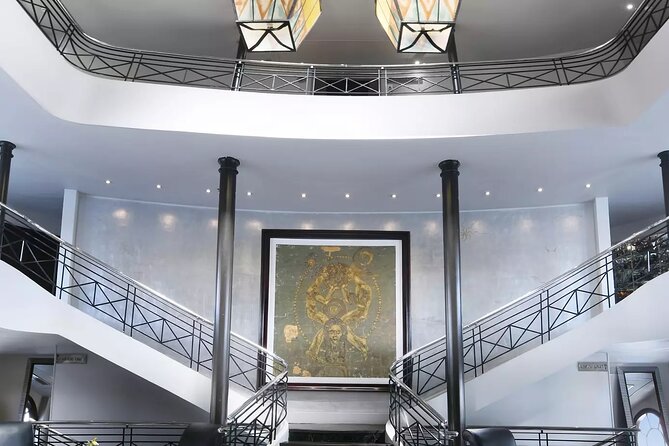
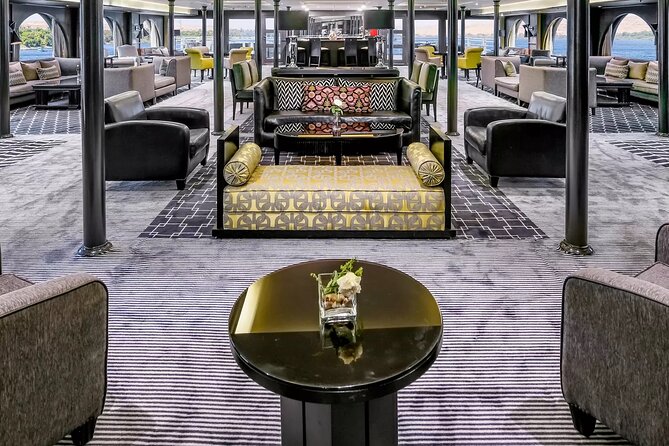
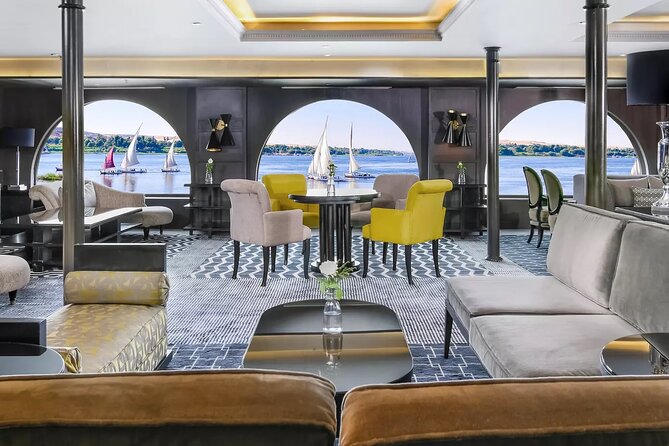
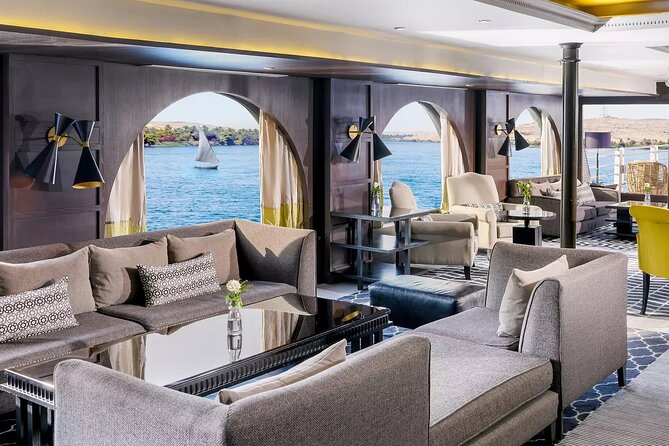
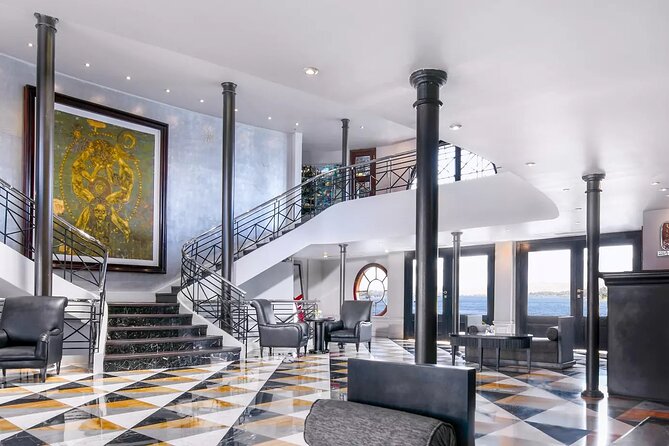
The cruise itself receives a more mixed assessment. One rating gives the overall trip four stars because the ship feels somewhat old. At the same time, the food is described as delicious, and the onboard staff as very nice. That is a fair warning: book this for the route, guide, and river experience first, not because you expect a new luxury vessel.
The private format is a plus for couples, families, and small groups who want direct help. It also suits first-time visitors who may feel unsure about moving around Egypt independently. Most people can participate, and the experience is described as suitable for all ages and skill levels, but the early starts and long Abu Simbel day still require ordinary stamina.
What to pack and how to manage the schedule
You should pack light enough to handle airport transfers, cruise check-in, and sightseeing vehicles without fuss. Comfortable walking shoes are sensible because the itinerary includes large temple complexes, the Valley of the Kings, and uneven outdoor areas.
Plan for heat and sun at the monuments, while keeping a light layer available for flights, vehicles, or indoor cruise areas. A water bottle, sun protection, and a small day bag will help during the longer visits.
The schedule is not loose. Day one combines a flight with Karnak and Luxor Temple. Day two includes the West Bank and the start of sailing. Day three begins at Edfu, then continues by boat to Kom Ombo. Day four covers Philae and the dam, and day five is largely given to Abu Simbel.
I would avoid adding demanding plans around the included sightseeing unless you know your group handles early mornings well. The reward is a very high number of major sights in a short time. The cost is limited free time.
Who should book this Nile cruise?
I would recommend it to a first-time Egypt visitor who wants the main Nile route arranged in one package. You get the principal temples, a private guide, domestic flights, a cruise, and transport to Abu Simbel without having to coordinate each piece yourself.
It also suits families and groups who value a private guide and direct assistance. The trip is suitable for most ages and skill levels, but the program remains active. Anyone who dislikes early departures, long transfers, or a fixed schedule may prefer a longer trip with fewer stops.
The experience is less suitable if your priority is a modern ship. The cruise may feel old, according to the available feedback, even though the meals and staff are well regarded. I would also think twice if you want many unplanned hours in Luxor or Aswan, since this program focuses on major sights and efficient movement.
Final verdict: a strong first Nile itinerary
Book this tour if you want maximum ancient Egypt in five days, plus the comfort of a private guide and arranged transport. The route is intelligently assembled, and the inclusion of flights, four cruise nights, meals, sightseeing fees, and Abu Simbel transport gives the price real value.
The two questions to ask yourself are simple: Can you handle a packed schedule, and are you comfortable with a ship that may show its age? If the answer to both is yes, Love Egypt Tours offers a practical introduction with strong guiding, excellent coverage, and very little guesswork.
FAQ
How long is the Nile cruise?
The experience lasts approximately five days and includes four nights of accommodation on a 5-star Nile cruise from Luxor to Aswan.
Where does the tour begin?
You are picked up from your hotel in Cairo and transferred by domestic flight to Luxor on the first day.
Where does the tour end?
The itinerary includes a domestic flight from Aswan to Cairo. Pickup and drop-off in Cairo are included.
Is the tour private?
Yes. Only your group participates in the private tour or activity.
Is an Egyptologist guide included?
Yes. An Egyptologist guide accompanies you during the sightseeing visits.
Which major sites are included?
The route includes Karnak Temple, Luxor Temple, the Valley of the Kings, Hatshepsut’s temple, the Colossi of Memnon, Edfu Temple, Kom Ombo Temple, Philae Temple, the Aswan High Dam, and the Abu Simbel Temple Complex.
Are meals included?
Breakfast is included on four days, along with three lunches and three dinners.
Is the Abu Simbel entrance fee included?
No. The air-conditioned vehicle transfer to Abu Simbel is included, but admission to the temple complex is not.
More 5-Day Experiences in Cairo
- From Cairo: 5-Day Egypt Highlights Private Tour with Flights
★ 4.0 · 338 reviews - Egypt: Private 5-Day Tour, Nile Cruise, Flights & Balloon
★ 4.1 · 248 reviews - Our Exceptional 5 days Cairo, Luxor and Abu Simbel Tour Package
★ 5.0 · 212 reviews - 5-Day Tour in Cairo with Pick Up
★ 4.5 · 114 reviews
Newly listed around Cairo
- Full Day Trip from Cairo to Luxor★ 5.0 · 16 reviews
- Private guide’s trip to Giza pyramids, Great sphinx valley temple★ 5.0 · 37 reviews
- Private half Day Tour to the Great 3 Pyramids of Egypt★ 5.0 · 15 reviews
- VIP Tour inside Giza Pyramids★ 4.5 · 103 reviews
- Full-Day Private Tour to Giza Pyramids, Sphinx, Memphis & Saqqara★ 5.0 · 106 reviews
- Unique Tour to The Grand Egyptian Museum and 12 main galleries★ 4.0 · 38 reviews
- Elite Boats Tour in Cairo & Giza with Drinks Included★ 4.5 · 15 reviews
- Sunset & Night Open Air Nile Cruise in Cairo & Giza★ 5.0 · 158 reviews
Nile Cruises, compared.
4-Days Nile Cruise From Aswan To Luxor including Abu Simbel and Hot Air Balloon
Read our review →
4-Day 3-Night Nile Cruise from Aswan to Luxor&Abu Simbel+Balloon
Read our review →
Sakkara, Memphis & Dahshur (Pyramid & Felucca Options)
Read our review →
4-Day 3-Night Nile Cruise from Aswan to Luxor including Abu Simbel, Air Balloon
Read our review →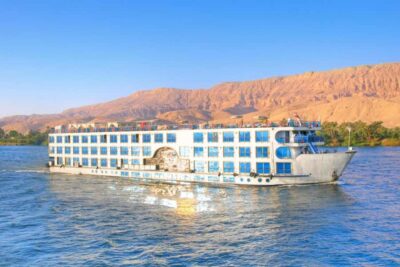
4-Day Nile Cruise from Aswan to Luxor with Guide
Read our review →
4-Days Nile Cruise From Aswan To Luxor including Abu Simbel and Hot Air Balloon
Read our review →Browse the lists this tour appears in