
Reviewed · CRUISES & BOAT TOURS
4 Days Aswan Luxor Cruise with Visit in the Famous Attractions
The Nile turns ancient Egypt into a moving story. I like the way this Aswan to Luxor cruise links major temples with quiet hours on the river, and I also like the small maximum group size of 10, which should make questions and sightseeing easier. The main catch is that the published details are unclear about entrance fees, so you should confirm exactly what your $850 price covers before paying.
This is a packed four-day trip, not a slow hotel holiday. You will visit Philae, the High Dam, Kom Ombo, Karnak, Luxor Temple, the Valley of the Kings, Hatshepsut’s temple, and the Colossi of Memnon, with an optional Abu Simbel excursion. Past guests especially praised the organization, clean ships, food, and support from Daniel, though August heat made sightseeing harder for some families.
In This Review
- Key things to know before booking
- What the four-day Nile cruise is really like
- Day one: Aswan, the High Dam, and Philae Temple
- The ship, meals, and the value of river travel
- Day two: Abu Simbel, Kom Ombo, and an Egyptian evening
- Day three: Karnak and Luxor Temple after sunset
- Day four: royal tombs and Hatshepsut’s bold monument
- Guides and organization: what matters most
- Who should book this cruise?
- FAQ
- Where does the cruise begin?
- Where does the cruise end?
- How long is the experience?
- What time does the tour start?
- Is pickup available?
- Is Abu Simbel included?
- What meals are included?
- Is a guide included?
- Are entrance fees included?
- What is the cancellation policy?
- Should you book it?
Key things to know before booking
- Philae is the perfect opening stop: You reach a temple dedicated to Isis in a beautiful island setting, with a fascinating modern rescue story behind it.
- The cruise combines transport and lodging: Three nights on a five-star Nile ship mean you unpack once while moving between Aswan and Luxor.
- Abu Simbel is optional: The early private-car trip adds two of Egypt’s most famous temples, but it also makes an already full day start very early.
- The schedule is temple-heavy: Most sightseeing blocks last about two hours, so expect serious walking, sun, and plenty of ancient stone.
- Small groups are a real advantage: The maximum group size is 10, and guides such as Daniel and George have received especially warm praise for patience, organization, and clear explanations.
- Check the fee details carefully: The information says both that some admissions are included and that entrance fees to all sites are excluded.
What the four-day Nile cruise is really like
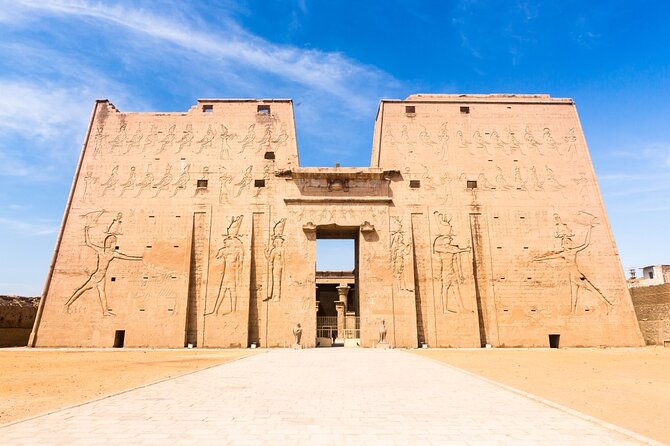
At $850 per person, this experience is priced as a packaged cruise rather than a simple sightseeing transfer. The cost includes three nights on a five-star Nile cruise, full-board meals, an air-conditioned vehicle, and an Egyptologist guide. Breakfast, lunch, and dinner are listed for the cruise period.
That can be good value if you want your transport, accommodation, meals, and site visits organized together. You are not spending each evening finding a hotel or arranging a new car for every temple. The river does the moving while you watch Egypt pass by from the ship.
The price needs a careful reading, though. The inclusion notes say entrance fees to all sites are not included, while individual itinerary entries describe some admission tickets as included and others as not included. Ask EZ Tour Egypt for a written list of entrance fees before booking. That single clarification could make a noticeable difference to the final cost.
Pickup is offered, a mobile ticket is available, and the stated start time is 8:00 a.m. Most people can participate, but this is not a low-effort trip. You will cross between the ship and shore, spend time outdoors, and walk through large temple complexes and tomb areas.
A few more Aswan outings to price up
- 4-Day 3-Night Nile Cruise from Aswan to Luxor&Abu Simbel+Balloon
★ 5.0 · 2,023 reviews - 4-Day 3-Night Nile Cruise from Aswan to Luxor including Abu Simbel, Air Balloon
★ 4.5 · 612 reviews - From Aswan: 4-Day Nile Cruise from Aswan to Luxor with Guide
★ 4.1 · 593 reviews
Day one: Aswan, the High Dam, and Philae Temple
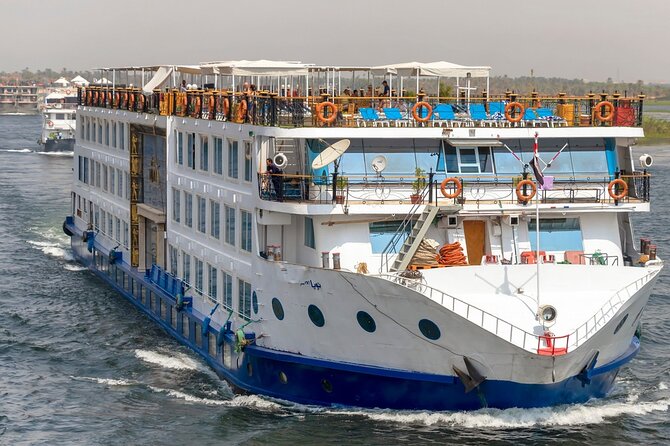
The first day begins with arrival in Aswan, a welcome from the guide, and check-in aboard the cruise ship. Lunch is served on board before the afternoon sightseeing begins.
The Aswan High Dam gives you an immediate lesson in modern Egypt. It is about 3,600 meters long, 980 meters thick at its base, and 111 meters high at its highest point. Behind it lies Lake Nasser, described in the tour information as the world’s largest man-made lake.
The dam supplies irrigation water and electricity across Egypt. It also changed the ancient sites around Aswan forever. That connection makes the stop more useful than a quick photo beside a huge concrete structure. You see the modern project that threatened old monuments, then visit one of the temples saved because of it.
That temple is Philae, dedicated to Isis. It was moved by UNESCO after the building of the dam endangered the original site. The present setting was arranged to resemble the temple’s former island home, which helps explain why the visit feels so special. Ancient stone, open water, and the story of an international rescue effort come together in one stop.
Inside, your Egyptologist guide can help you read the site as more than a collection of columns. You will see shrines and sanctuaries, including Trajan’s Kiosk, also called Pharaoh’s Bed. Isis was linked with funeral rites, healing, protection, and the resurrection of Osiris. Her worship spread beyond Egypt during the Greek and Roman periods, reaching parts of the wider Roman world.
Plan about two hours for the Philae visit and another hour for the High Dam. The order may shift slightly, but the first day gives you a balanced start: modern engineering, ancient religion, and a gentle introduction to life on the Nile.
The ship, meals, and the value of river travel
The cruise ship is the practical heart of the trip. The available information does not name one guaranteed vessel, and ships can vary. Past bookings included Ms Adonis and Blue Shadow, with one cabin described as having a panoramic window that could be opened.
That detail matters. A Nile cruise is not only about getting from one city to another. You will want to watch the banks, boats, villages, and changing light from your cabin or the sun deck. Ask which ship and cabin category you will receive, since a five-star label can mean different things from one vessel to another.
Food is included on a full-board basis. Accounts of the meals were positive, with traditional Egyptian dishes served on at least one of the ships. You should still ask about meal times and dietary needs before departure, since the schedule of temple visits can be tight.
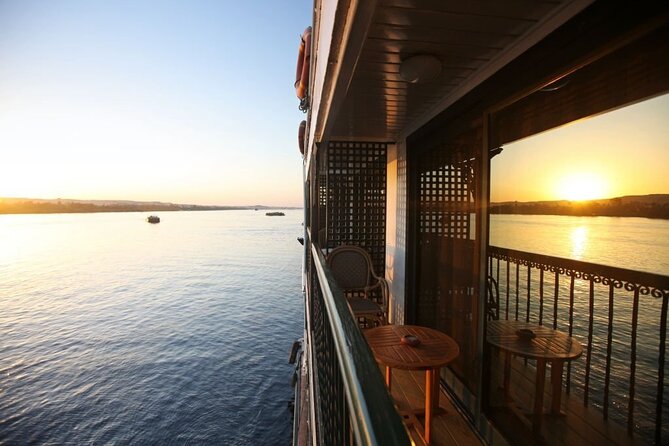
Tea time on the sun deck is part of the second day, with sunset views while the ship moves toward Kom Ombo. This is one of the better features of the format. After several hours among ruins, you can sit down, watch the river, and let the scenery do some of the work.
Day two: Abu Simbel, Kom Ombo, and an Egyptian evening
The optional Abu Simbel excursion starts early. A guide and driver collect you from the ship and take you in a private air-conditioned vehicle. Once there, you have about two hours to see the two monumental temples built by Ramses II.
Abu Simbel is one of Egypt’s essential sights, often placed just behind the Giza Pyramids in fame. The great seated figures and temple interiors make it a powerful addition to the cruise. The private vehicle is useful because you are not dependent on a large shared coach for this optional outing.
The tradeoff is time. You will leave early, then return to a cruise schedule that continues toward Kom Ombo. If you value Abu Simbel highly, the effort is likely worthwhile. If you prefer a slower trip, skip it and enjoy the ship, river views, and afternoon sightseeing.
During lunch, the ship sails toward Kom Ombo. The approach gives you time to take photographs and watch the sunset. Then you visit the Graeco-Roman temple, built mainly between 332 BC and AD 395. An earlier structure from the 18th Dynasty existed here, but little of it remains.
Kom Ombo is unusual because it was dedicated to two gods and arranged with a sense of balance between them. The guide’s explanation is important here. Without context, the site can look like another set of columns. With a good explanation, its layout and later construction become much easier to understand.
The itinerary lists the Kom Ombo admission as not included. Confirm the current fee and payment method before you arrive.
Afterward, the ship continues to Edfu for an oriental dinner and a galabeya, or galabia, party. This is the most openly festive part of the cruise. It offers a lighter evening after the archaeological stops, though some visitors may find costume activities less appealing than quiet time on deck.
One point needs clarification: the schedule names Edfu but does not clearly list a visit to Edfu Temple. Ask EZ Tour Egypt if the temple tour is included, since the published sequence describes dinner and the party rather than a temple inspection.
Same base, a completely different sort of day:
- 4-Days Nile Cruise From Aswan To Luxor including Abu Simbel and Hot Air Balloon
★ 5.0 · 3,142 reviews - From Aswan: Abu Simbel Temple Day Trip with Hotel Pickup
★ 4.4 · 2,807 reviews - From Aswan: 3-Day Cruise to Luxor with Hot Air Balloon
★ 4.3 · 598 reviews - 4-Days Nile Cruise From Aswan To Luxor including Abu Simbel and Hot Air Balloon
★ 4.5 · 509 reviews
Day three: Karnak and Luxor Temple after sunset
After Edfu, the ship travels onward to Luxor. The afternoon visit to Karnak Temple is one of the biggest moments of the trip.
Karnak was known in ancient Egypt as Ipet-isu, or most select of places. It is not a single building but a vast religious center developed over more than 2,000 years. The complex was linked with the Theban triad of Amun, Mut, and Khonsu.
The Hypostyle Hall alone is enormous. It covers about 54,000 square feet and contains 134 columns. The sacred lake measures roughly 129 by 77 meters. These figures help you grasp the scale, but the best way to understand Karnak is to move slowly through its gateways, columns, courtyards, and sanctuaries while your guide explains how the complex grew over time.
Two hours is enough for a strong introduction, but not enough to see every corner in detail. Wear comfortable shoes and keep water close. The open spaces can feel demanding in the heat, especially in summer.
The next stop is Luxor Temple, visited around sunset. This timing should give the stone a softer appearance and makes the temple feel different from Karnak, even though both belong to ancient Thebes.
Amenhotep III began Luxor Temple, and Tutankhamun, Horemheb, and Ramses II added to it. Alexander the Great also has a granite shrine here. The site has a particularly interesting later life: part of the complex became a Christian church, and a mosque built over the buried temple remains part of the site today.
That layered use is one of Luxor Temple’s strongest features. You are not looking at an isolated ruin. You are seeing a place that remained part of the living city for centuries, even when much of the ancient structure lay beneath homes and streets.
Day four: royal tombs and Hatshepsut’s bold monument
After breakfast, you cross the Nile to Luxor’s west bank for the Valley of the Kings. The valley served as a royal burial ground during Egypt’s New Kingdom, from about 1539 to 1075 BC.
The tombs belonged to pharaohs such as Tutankhamun, Seti I, and Ramses II, as well as queens, high priests, and other elite figures. Their underground rooms were designed for the afterlife, with painted scenes, religious texts, and carefully planned routes into the earth.
The tour includes the Valley of the Kings, but the supplied details do not say how many tombs your ticket permits you to enter. Tutankhamun’s tomb may involve a separate charge in many ticket arrangements, so ask before the visit if seeing it is important to you.
The second west-bank stop is the Temple of Hatshepsut at Deir el Bahari. Its terraces and pillared porticoes rise beneath stark cliffs, making it one of the most striking settings in Luxor.
Hatshepsut’s story adds a human edge to the architecture. She first served as regent after the death of her husband, Thutmose II, then took the title of pharaoh and ruled for more than two decades. She was one of ancient Egypt’s first female pharaohs.
Give yourself time to look beyond the famous front view. The stepped design, reliefs, and relationship between temple and cliffs explain why this site feels so different from Karnak or Luxor Temple. The two-hour visit should allow a solid tour, though the sun can be intense.
The final stop is the Colossi of Memnon, two seated statues of Amenhotep III. Each figure is about 18 meters high and weighs around 720 tons, carved from a single sandstone block.
The visit lasts only about 20 minutes and admission is listed as free. This is a short stop, but it works well at the end of a long morning. You can take in the scale, photograph the statues, and pause before the tour ends.
Guides and organization: what matters most
The strongest praise for this experience centers on the people running it. Daniel is repeatedly singled out for quick replies, careful organization, and help with changes made at short notice. George is also praised for patience, kindness, and clear explanations.
Other guides named in the supplied comments include Andrew, Mina, and Abanoub. The guide you receive will depend on the booking and language needed, so you should request a preferred guide if that matters to you, but do not assume a particular person is guaranteed.
The small group limit is helpful. With no more than 10 participants, it should be easier to hear the Egyptologist, ask about symbols, and keep the group together at busy sites. The stated arrangement also includes an air-conditioned vehicle for land transfers, which is important after a hot morning at the tombs.
The organization appears designed to keep each handoff simple: a guide meets you at the cruise lobby, takes you to the site, then returns you to the ship or vehicle. Still, a tight schedule always needs some flexibility. Sailing times, site opening conditions, and optional excursions can affect the exact order.
Who should book this cruise?
I would recommend it to a first-time Egypt visitor who wants the major Aswan and Luxor sights in one organized package. It suits you especially well if you value a guide’s historical explanation, prefer a small group, and like the convenience of having accommodation and transport combined.
It is also a good choice if you want Abu Simbel but do not want to arrange a separate private trip. The optional excursion gives you that route in an air-conditioned vehicle, though you must be ready for an early start.
I would hesitate if you want long, unhurried visits at every site, dislike fixed meal and sailing times, or prefer to choose your own hotel in each city. The program covers a lot in four days. August can be especially difficult because of the heat, even for younger visitors.
At $850, the value depends on the ship, cabin, guide language, and entrance-fee arrangement. Get those details in writing. The cruise can be a strong package, but the unclear admission policy is the one issue I would settle before booking.
FAQ
Where does the cruise begin?
The cruise begins in Aswan, Egypt, with arrival, welcome assistance, check-in, and lunch on board.
Where does the cruise end?
The cruise travels from Aswan to Luxor. The final sightseeing stops are on Luxor’s west bank, including the Valley of the Kings, Hatshepsut’s temple, and the Colossi of Memnon.
How long is the experience?
The experience lasts approximately four days and includes three nights on a five-star Nile cruise.
What time does the tour start?
The stated start time is 8:00 a.m.
Is pickup available?
Yes. Pickup is offered, although the supplied information does not specify every pickup location.
Is Abu Simbel included?
No. Abu Simbel is listed as an optional trip. It uses a private air-conditioned vehicle and allows about two hours at the temples.
What meals are included?
The package lists breakfast three times, lunch three times, and dinner three times. It also describes the cruise as full board.
Is a guide included?
Yes. An Egyptologist tour guide is included. Guides named in the supplied information include Daniel, George, Andrew, Mina, and Abanoub, though a specific guide is not guaranteed.
Are entrance fees included?
The information is inconsistent. Some individual stops are marked as including admission, while the general exclusions say entrance fees to all sites are not included. Confirm the exact admission policy with EZ Tour Egypt before booking.
What is the cancellation policy?
You can cancel at least 24 hours before the local start time for a full refund. Cancellations or changes made less than 24 hours before the start are not accepted for a refund. Poor weather or failure to meet the minimum number of participants may lead to another date, another experience, or a full refund.
Should you book it?
Book this cruise if you want Egypt’s main Nile Valley sights handled by one organized team, with meals, a ship, transport, and an Egyptologist guide in one package. The river views, Philae’s island setting, sunset at Luxor Temple, and small group size give it real appeal.
Before you commit, confirm the ship name, cabin type, guide language, Abu Simbel price, Edfu Temple arrangements, and every entrance fee. If those details suit your budget, this is a practical and rewarding way to travel from Aswan to Luxor without spending your holiday arranging each piece yourself.
Newly listed around Aswan
- Sailing Nile Cruise from Aswan to Luxor for 2 Nights★ 4.5 · 139 reviews
- Philae Temple and Aswan High-Dam Half-day tour★ 5.0 · 49 reviews
- Private Tour in Aswan : Felucca and Nubian village★ 5.0 · 29 reviews
- Abu Simbel Private Full-Day Tour from Aswan★ 5.0 · 114 reviews
- (3-Nights Cruise From Aswan To Luxor & Balloon, Abu Simbel)★ 4.5 · 23 reviews
- Day Tour to Abu Simbel from Aswan by Bus★ 4.5 · 25 reviews
- 4-Days Aswan sails Nile Cruise Luxor &Abu Simbel.Hot air Balloon★ 4.5 · 77 reviews
- 3-Nights Cruise From Aswan To Luxor, Hot Air Balloon,Abu Simbel★ 4.5 · 46 reviews
Cruises & Boat Tours, compared.
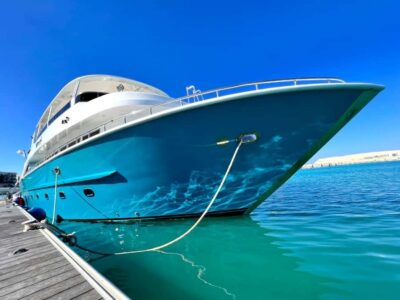

Orange Bay Island Boat Trip w/ Breakfast and Lunch
Read our review →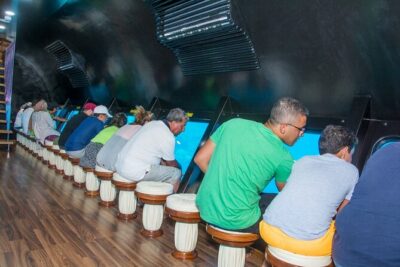
Royal Seascope Submarine Cruise with Snorkel Stop
Read our review →
3 Islands, Dolphins & Snorkel Yacht Trip w/ Lunch
Read our review →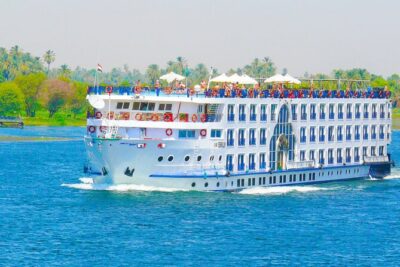
4-Days Nile Cruise From Aswan To Luxor including Abu Simbel and Hot Air Balloon
Read our review →
Dinner Cruise on the Nile River with Entertainment
Read our review →
Nile Sunset Dinner Cruise, Show & Optional Transfer
Read our review →4-Day 3-Night Nile Cruise from Aswan to Luxor&Abu Simbel+Balloon
Read our review →Browse the lists this tour appears in