Reviewed · CAIRO TOURS
Overnight Trip To Luxor From Cairo
Luxor rewards an early start. This two-day trip packs Cairo to Luxor flights, private transfers, a hotel night, meals, entry fees, and an Egyptologist guide into one tightly planned visit. I like the private air-conditioned vehicle, which keeps the day more flexible than a large coach tour, and I like the chance to see both banks of the Nile, from the Valley of the Kings to Karnak Temple.
The main drawback is the schedule. Pickup begins around 3:30 a.m. on the first day, followed by a full day of sightseeing after the flight. A past guest also had trouble when the Cairo driver left them at the wrong airport terminal, so you should confirm your departure terminal and transfer details before travel.
In This Review
- Key points to know before booking
- Is $390 a fair price for a Cairo to Luxor trip?
- The 3:30 a.m. departure from Cairo
- The Valley of the Kings and the tombs beneath the hills
- Deir el-Bahari and Queen Hatshepsut’s temple
- The Colossi of Memnon, a quick stop with a big view
- Karnak and Luxor Temple on the east bank
- Your overnight in Luxor
- Medinat Habu and the temple of Ramesses III
- Deir el-Medina, where the tomb builders lived
- The Valley of the Queens and the end of the route
- What the private guide adds
- Who should book this Luxor overnight trip?
- Should you book it?
- FAQ
- Where does the tour begin?
- What time is pickup on the first day?
- Is airfare included?
- Is the tour private?
- What type of transport is used in Luxor?
- Are entrance fees included?
- Are meals included?
- Can Luxor Temple be visited at night?
- Is hotel accommodation included?
- What is not included in the price?
- How far in advance can I cancel for a full refund?
Key points to know before booking
- The 3:30 a.m. Cairo pickup saves you a long overland journey, but you will need to be ready for a very early morning.
- A private Egyptologist guide leads your group, and guide Ayman receives especially warm praise for making the day memorable.
- Both Luxor banks are covered, including the Valley of the Kings, Hatshepsut Temple, Karnak, Luxor Temple, Medinat Habu, Deir el-Medina, and the Valley of the Queens.
- Flights, private transfers, hotel, entry fees, lunch, and dinner are included, making the $390 price easier to assess.
- The plan is full rather than leisurely, with many major sites visited over roughly two days.
- You can request Luxor Temple at night, with an evening visit possible from 6:00 to 9:00 p.m.
Is $390 a fair price for a Cairo to Luxor trip?
At $390 per person, this is not the cheapest possible way to see Luxor. It is, however, a fairly broad package. The price includes domestic flights, hotel accommodation, private vehicle transfers, a guide, admission fees, lunch, and dinner at the hotel.
That matters in Egypt, where arranging each part separately can take time and patience. You are not just paying for a sightseeing route. You are paying to have the Cairo airport transfer, Luxor pickup, transport between sites, overnight stay, and return arrangements handled as one plan.
The private format adds value if you want your own group rather than a large shared bus. It also gives you a better chance to ask questions, adjust the pace within reason, and spend more time at a site that interests you. The tour is described as private, with only your group participating.
Still, keep your expectations sensible. This is a packed sightseeing trip, not a relaxed Nile holiday. The first day begins before dawn and includes both west bank and east bank sites. If you want long meals, slow walks, or several hours at each monument, two days will feel compressed.
The package includes lunch at a local restaurant, with a full meal for each person. Drinks are not included. Dinner is included at the Luxor hotel, while personal items and tipping remain your responsibility.
A few more Cairo outings to price up
- Cairo: Pyramids & Great Sphinx Private Tour with Camel Ride
★ 4.9 · 6,335 reviews - Tour to Giza Pyramids and The Egyptian Museum
★ 5.0 · 6,016 reviews - VIP All inclusive Best of the best Giza Pyramids,Sakkara,Memphis
★ 5.0 · 3,164 reviews
The 3:30 a.m. departure from Cairo
The day begins with pickup from your Cairo hotel at about 3:30 a.m. A representative takes you to the domestic airport for the flight to Luxor. That early transfer is the price of seeing Luxor without spending much of the first day on the road.
You should treat the airport transfer as an important part of the trip, not a minor detail. One guest had a poor start after being dropped at the wrong Cairo terminal. Confirm the terminal, flight time, and pickup instructions in advance, and allow yourself enough time to check that the driver has the correct airport information.
After landing in Luxor, a local representative meets you and the touring begins. The use of a private, air-conditioned vehicle is welcome here. Luxor’s major sites are spread across the east and west banks, and you will be crossing between them during a long day.
The Valley of the Kings and the tombs beneath the hills
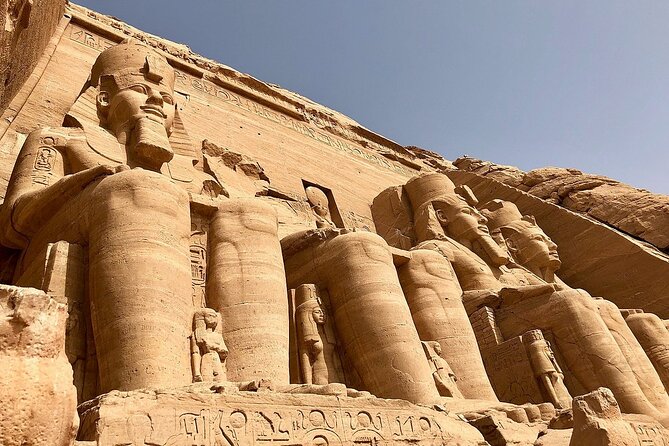
Your first major stop is the Valley of the Kings. This dry valley on Luxor’s west bank served as a burial area for rulers of several Egyptian dynasties. Instead of grand pyramids above ground, the royal tombs were cut into the hills.
The appeal is below the surface. Inside, painted walls and corridors lead toward burial chambers, with scenes and symbols designed for the afterlife. The tour allows about an hour here, so your guide’s choices and explanations matter. Entry to the historic sites is included, though the itinerary does not specify which individual tombs are available on the day.
You should also know that any special tomb ticket, if required, is not specifically identified in the package details. Ask your guide what the included entry covers before choosing additional tombs.
The Valley of the Kings can be hot and exposed. Wear practical shoes, bring water, and keep your first morning in mind. You will already have been awake for hours, and the day is only beginning.
Deir el-Bahari and Queen Hatshepsut’s temple
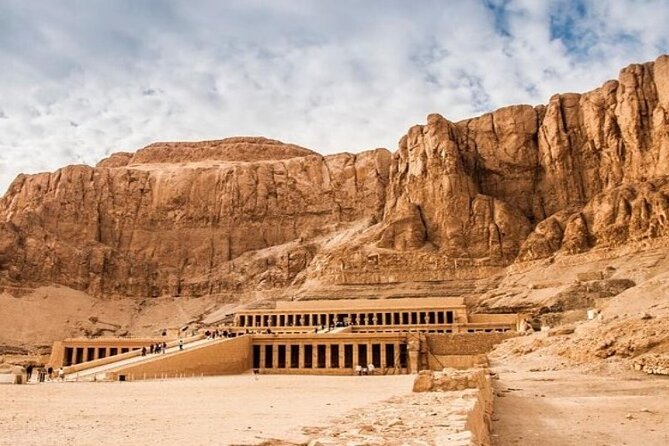
The itinerary links the Valley of the Kings with Deir el-Bahari, the temple complex associated with Queen Hatshepsut. Its broad terraces and strong horizontal lines make it unlike the more enclosed temple spaces elsewhere in Luxor.
Hatshepsut ruled as pharaoh and commissioned a temple that presents her authority in stone and relief. Your guide can help explain the political messages in the decoration, which is useful because a quick look at the terraces alone misses much of the site’s purpose.
The plan also lists the Temple of Queen Hatshepsut as a separate visit. In practice, the wording combines Deir el-Bahari and Hatshepsut’s temple, so you should expect these references to describe the same main complex rather than two unrelated monuments.
This is one of the most photogenic stops, but the sun can be strong on the open terraces. A hat and water will make the visit more comfortable.
Same base, a completely different sort of day:
- From Cairo: Pyramids of Giza, Sphinx, Saqqara & Memphis Tour
★ 4.7 · 3,110 reviews - Cairo 8 Hour Private Tour of Pyramids, Egyptian Museum and Bazaar
★ 5.0 · 2,931 reviews - From Cairo: Half-Day Tour to Pyramids of Giza and the Sphinx
★ 4.6 · 2,891 reviews - Cairo: Pyramids, Sakkara & Memphis Tour with Lunch
★ 4.6 · 2,493 reviews
The Colossi of Memnon, a quick stop with a big view
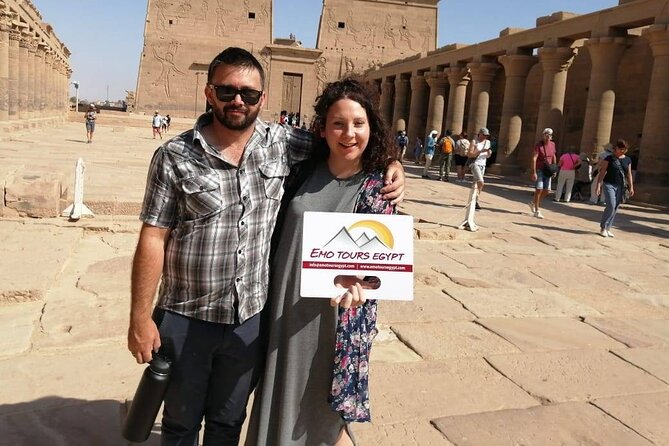
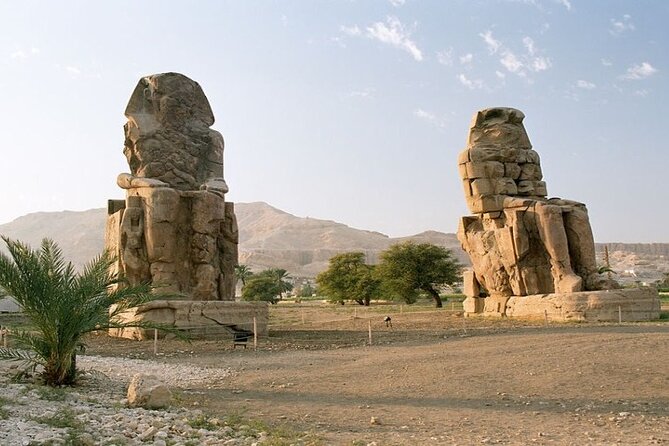
On the return journey, you stop at the Colossi of Memnon. These two huge seated statues represent Amenophis III and face toward the Nile.
The listed visit lasts about an hour, though this is the kind of stop where you may spend less time taking in the statues and more time listening to the guide and taking photographs. The figures are impressive because of their scale, even with the damage and wear that time has brought.
The Colossi also give you a useful sense of Luxor’s open west bank. This is not a shaded museum visit. It is a roadside monument stop, so use the time to stretch, take photographs, and ask why these statues once formed part of a much larger temple complex.
Karnak and Luxor Temple on the east bank
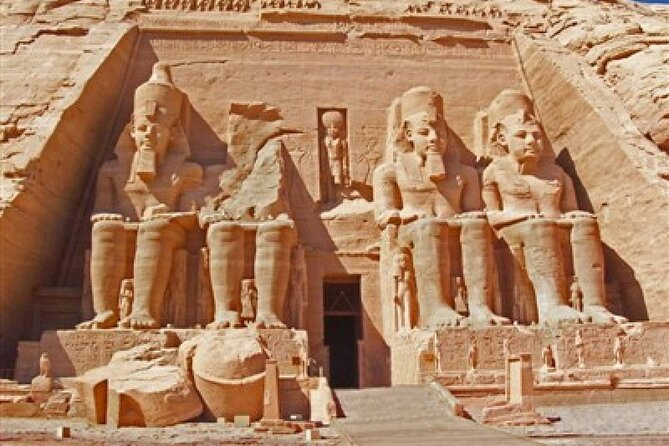
After lunch, the route crosses to Luxor’s east bank for Luxor Temple and Karnak Temple. This change of bank gives the first day a good rhythm: royal tombs and mortuary temples in the west, then the grand religious centers in the east.
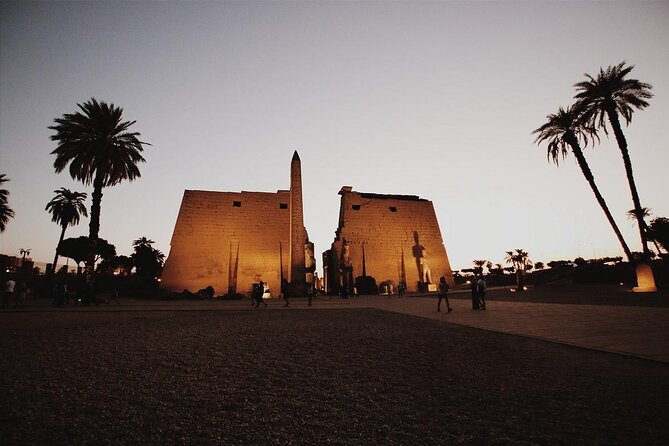
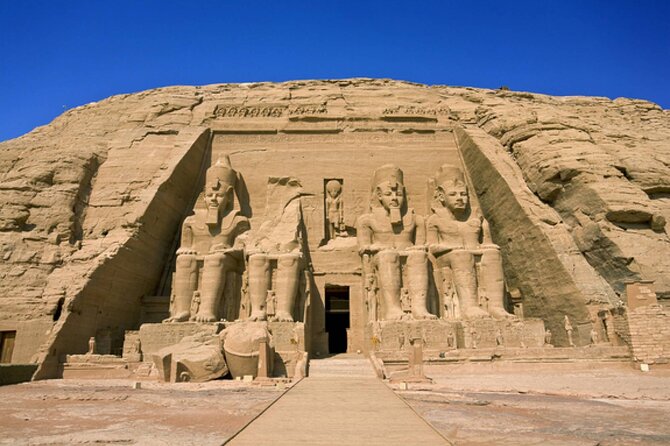
Luxor Temple is known for its courtyard, monumental columns, and granite statues connected with Ramses the Great. The route allows about an hour. You may visit it during the afternoon, and you can also request a night visit between 6:00 and 9:00 p.m. if that fits the group’s preference and timing.
The evening option could be useful because temple lighting changes the feel of the site. It also breaks up the demanding first day. However, the schedule does not promise a separate night visit, so raise the request early with the operator or guide.
Karnak is not one building. It is a huge collection of temples and religious structures built and altered across different reigns. The route begins with the Avenue of Sphinxes and continues through the Unfinished Propylon, the Great Hypostyle Hall, obelisks linked with Hatshepsut and Thutmose III, the Temple of Amun, the granite scarab of Amenophis III, and the Sacred Lake.
The Hypostyle Hall is the headline moment. Its forest of 134 giant columns makes the scale of ancient temple building easy to grasp. You will get more from Karnak if you stay close to the Egyptologist and ask how the separate courtyards and halls fit together. Without guidance, the complex can feel like a parade of columns and broken walls.
The itinerary notes that carriage or bus transport may be used between Luxor Temple and Karnak. Confirm the exact arrangement on the day.
Your overnight in Luxor
After the first day, you are transferred to a hotel in Luxor for check-in and overnight accommodation. Dinner is included at the hotel.
This overnight is more than a place to sleep. It avoids the exhausting mistake of trying to see Luxor and return to Cairo on the same day. You still have a demanding morning behind you, but you can wake in Luxor and begin the second day at 7:00 a.m. rather than repeating the airport routine immediately.
The hotel category and exact property are not given, so do not book this trip based on a specific hotel expectation. Think of the overnight as practical accommodation included with the touring package.
Medinat Habu and the temple of Ramesses III
Day two begins at 7:00 a.m. with pickup by the licensed guide. You return to the west bank in a private air-conditioned vehicle and visit Medinat Habu.
Medinat Habu is closely associated with the mortuary temple of Ramesses III, a large complex about 150 meters long. Its layout follows a traditional temple design and resembles the mortuary temple of Ramesses II.
This site is valuable because it often receives less attention than the Valley of the Kings and Karnak, yet it gives you another look at royal power, temple planning, and carved decoration. The schedule allows about an hour for the main temple.
The itinerary also refers to other temples within the Habu area, including a Temple of Amun begun by Hatshepsut and Thutmose III. It was altered during several later dynasties and the Greco-Roman period. That layering gives your guide plenty to explain, though the repeated Medinat Habu entries suggest the exact sequence may be flexible.
Deir el-Medina, where the tomb builders lived
Next comes Deir el-Medina, known as the Valley of the Artisans or Valley of the Workers. This ancient village housed the skilled people who worked on tombs in the Valley of the Kings during the 18th through 20th dynasties of the New Kingdom.
The stop is listed as 30 minutes, making it one of the briefest visits. I would pay close attention here. The village and its small tombs help connect the grand royal monuments with the ordinary working lives behind them.
The paintings in the tombs appear remarkably fresh, according to the tour description. Their smaller scale can also make the decoration feel more personal than the giant halls at Karnak. Because the visit is short, ask your guide which areas are open and worth prioritizing.
The Valley of the Queens and the end of the route
The final visit is the Valley of the Queens. It served as a burial place for wives of pharaohs, along with princes, princesses, and members of the nobility.
In ancient times, the area was called Ta-Set-Neferu, meaning the place of the Children of the Pharaoh. The valley lies near the Valley of the Kings but in a separate area of the west bank. Its location was chosen for isolation and closeness to the royal capital at Thebes.
This stop rounds out the story of ancient Luxor. The Valley of the Kings focuses on rulers, while the Valley of the Queens shows how royal families and high-ranking people were honored and buried. The listed visit lasts about an hour.
The itinerary does not state the exact time of the return transfer to Cairo, nor does it list a second flight in detail. Ask for the full return schedule before booking, especially if you have an evening reservation or another Cairo connection.
What the private guide adds
A qualified Egyptologist guide is included, and this is one of the strongest reasons to consider the trip. Luxor’s monuments are large, old, and often visually similar to an untrained eye. A guide can explain the difference between a mortuary temple, a burial valley, and a temple used for worship.
The private format should also make it easier to ask direct questions. Guide Ayman is singled out for making the experience especially enjoyable, so request him if the provider can accommodate that preference. The information does not guarantee that he will be available, but naming a preferred guide is worth trying.
The guide is not just there to point out famous statues. Your best questions will concern the purpose of each site, which ruler built it, how later rulers changed it, and why tombs and temples were placed on opposite sides of the Nile.
Who should book this Luxor overnight trip?
I would recommend this trip to you if your Cairo schedule is short and Luxor is a priority. The package removes much of the planning work, and the private vehicle is a good fit for couples, families, or small groups who value their own guide.
It also suits first-time visitors who want the major ancient sites explained rather than simply photographed. The combination of both Nile banks is a real strength.
I would hesitate if you dislike pre-dawn departures, tight schedules, or full sightseeing days. You should also think twice if you want a leisurely hotel stay or a longer Nile experience. This is an efficient archaeological tour, not a slow holiday.
The cancellation terms are strict close to departure. Cancel at least six full days before the start for a full refund. Cancellation two to six days before departure allows a 50 percent refund, while cancellation less than two full days before the start receives no refund. A passport photo is required during booking, and confirmation arrives within 48 hours, subject to availability.
Should you book it?
Book this trip if you want to see a large share of Luxor in two days without arranging flights, transfers, tickets, meals, and a guide yourself. The private format, included admissions, and second day on the west bank give the $390 price solid practical value.
Do not book it expecting a restful pace. The 3:30 a.m. start, long first day, and early second morning demand stamina. Confirm the airport terminal, ask about the return flight, clarify any extra tomb tickets, and request guide Ayman if available. With those details checked, this is a strong short visit to Luxor for anyone who wants ancient Egypt explained clearly and efficiently.
FAQ
Where does the tour begin?
Pickup begins at your hotel in Cairo. A representative transfers you to Cairo’s domestic airport for the flight to Luxor.
What time is pickup on the first day?
Pickup is scheduled for approximately 3:30 a.m.
Is airfare included?
Yes. The package includes flights between Cairo and Luxor, along with airport and hotel transfers.
Is the tour private?
Yes. Only your group participates in the private tour or activity.
What type of transport is used in Luxor?
Transfers are provided in a private, air-conditioned, newer-model vehicle. Carriage or bus transport may be used between Luxor Temple and Karnak.
Are entrance fees included?
Yes. Entry fees to the historic sites are included in the tour package.
Are meals included?
Lunch at a local restaurant and dinner at the Luxor hotel are included. Beverages are not included with lunch.
Can Luxor Temple be visited at night?
A night visit to Luxor Temple may be possible between 6:00 and 9:00 p.m. if you prefer that option. It should be requested during the trip.
Is hotel accommodation included?
Yes. You stay overnight at a hotel in Luxor after the first day of touring.
What is not included in the price?
Personal items and tipping are not included. Drinks with lunch are also not included.
How far in advance can I cancel for a full refund?
You must cancel at least six full days before the experience start time to receive a full refund.
Newly listed around Cairo
- Full Day Trip from Cairo to Luxor★ 5.0 · 16 reviews
- Private guide’s trip to Giza pyramids, Great sphinx valley temple★ 5.0 · 37 reviews
- Private half Day Tour to the Great 3 Pyramids of Egypt★ 5.0 · 15 reviews
- VIP Tour inside Giza Pyramids★ 4.5 · 103 reviews
- Full-Day Private Tour to Giza Pyramids, Sphinx, Memphis & Saqqara★ 5.0 · 106 reviews
- Unique Tour to The Grand Egyptian Museum and 12 main galleries★ 4.0 · 38 reviews
- Sunset & Night Open Air Nile Cruise in Cairo & Giza★ 5.0 · 158 reviews
- Private Day Tour to Giza Pyramids & Sphinx , with Pickup★ 5.0 · 60 reviews
Cairo Tours, compared.
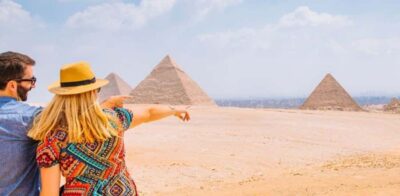
Pyramids & Great Sphinx Private Tour with Camel Ride
Read our review →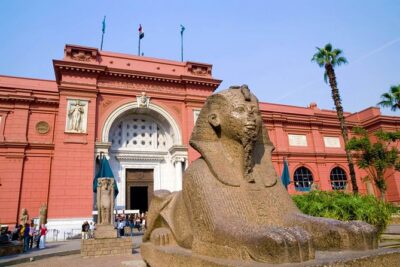
Tour to Giza Pyramids and The Egyptian Museum
Read our review →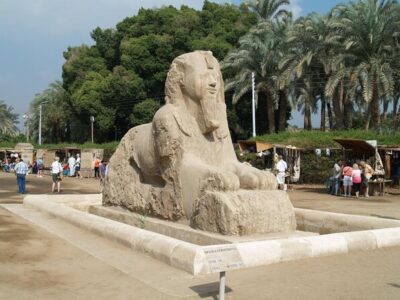
VIP All inclusive Best of the best Giza Pyramids,Sakkara,Memphis
Read our review →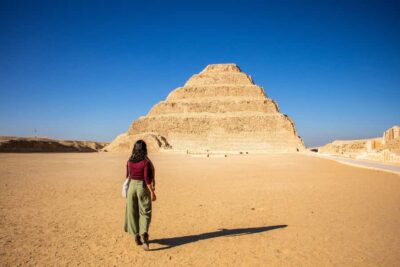
Pyramids of Giza, Sphinx, Saqqara & Memphis Tour
Read our review →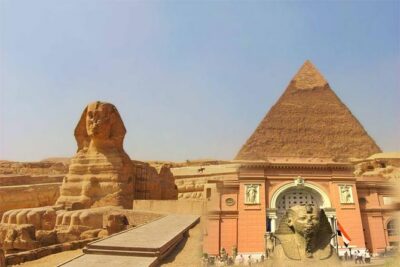
Cairo 8 Hour Private Tour of Pyramids, Egyptian Museum and Bazaar
Read our review →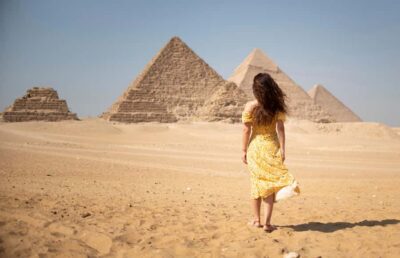
Half-Day Tour to Pyramids of Giza and the Sphinx
Read our review →