
Reviewed · WALKING TOURS
Old Cairo Guided Walk Tour: History, Culture & Street Bites
Old Cairo rewards slow feet. This three to four hour walk links ancient gates, Fatimid and Mamluk mosques, an Ottoman house, El Moez Street, and Khan el Khalili with a guide who can turn stonework into a story. I especially like the excellent historical explanations and the inclusion of local food, including koshary or Egyptian pie with zalabya or halabessa.
I also like that entrance fees and bottled water are included, so the $31 price is easy to understand. The main caution is physical: the streets can be rough, stairs are part of the route, and the tour is not suitable for wheelchair users. A longer pause halfway would also help some people.
In This Review
- The essential facts at a glance
- Why this Old Cairo walk works so well
- Bab al-Futuh: your first look at medieval Cairo
- Al-Hakim Mosque and the quiet side of Islamic Cairo
- Bayt al-Suhaymi: inside a 17th-century Ottoman home
- El Moez Street: Cairo’s historic spine
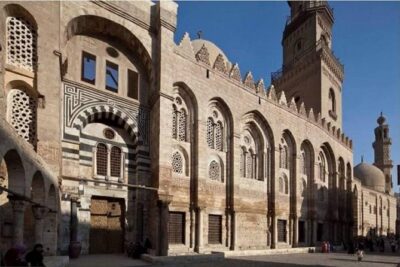
- Sultan Barquq and the Mamluk architectural high point
- Qalawun Complex: mosque, madrasa and mausoleum
- Al-Hussein Mosque and the spiritual close
- Khan el Khalili: shopping with a guide nearby
- Egyptian food makes the ending better
- Is $31 good value?
- Timing, comfort and practical preparation
- Who should book this walk?
- Should you book the Old Cairo Guided Walk?
- FAQ
- Where does the Old Cairo walking tour begin?
- How long does the tour last?
- What food is included?
- Which languages are available?
- What should I wear?
- Is the tour suitable for wheelchair users or strollers?
The essential facts at a glance
- Start at Bab al-Futuh: Meet in front of one of Cairo’s great medieval city gates.
- See several major monuments: Al-Hakim Mosque, Bayt al-Suhaymi, Sultan Barquq’s complex, Qalawun Complex, and Al-Hussein Mosque are all part of the route.
- Walk El Moez Street: This is the tour’s main historic spine, lined with Islamic architecture, cafés, vendors, and old buildings.
- Finish in Khan el Khalili: You get time for browsing spices, jewelry, textiles, and souvenirs, with bargaining expected.
- Eat like a local: The included food may be authentic koshary or Egyptian pie, plus a sweet or snack such as zalabya or halabessa.
- Choose your language and transport: Guides may speak English, Arabic, French, Spanish, or German. Hotel pickup and drop-off are optional within Cairo or Giza city limits.
Why this Old Cairo walk works so well
Old Cairo can feel like a puzzle when you first arrive. Narrow lanes twist between mosques, workshops, homes, shrines, and market stalls. On your own, you may see impressive façades without understanding who built them or why they matter.
This tour gives you a clear route through Islamic Cairo. You begin at Bab al-Futuh and gradually move toward the monuments and market around Al-Hussein Mosque. That direction makes sense geographically and historically, even though the area itself never feels tidy or neatly arranged.
The guide is the most important part of the experience. Several guides have been singled out for their humor, patience, language skills, and ability to explain difficult subjects in a simple way. Randa Aramani is especially praised for lively storytelling and for adjusting to delayed flights or changing schedules. Nahed is described as warm, funny, protective in the market, and good at keeping a group together. Other guides mentioned include Ruby, Dina, Ehab, Rehab, Samaa, Bassant, David, Ahmed, and Haisam, whose Spanish was praised.
That range matters because this is not a tour where the buildings do all the work. You need someone to explain Fatimid, Mamluk, and Ottoman Cairo without turning the walk into a string of dates. The strongest guides appear to connect architecture with religion, daily life, local customs, and the practical business of moving through the market.
A few more Cairo outings to price up
- From Cairo: Private Full-Day Tour of Historical Alexandria
★ 4.1 · 1,155 reviews - From Cairo: Historical Alexandria Shared Day Tour with Lunch
★ 4.4 · 260 reviews - Cairo: 3-Day Siwa Oasis Tour, Safari, Camp & Historical Site
★ 4.9 · 80 reviews
Bab al-Futuh: your first look at medieval Cairo
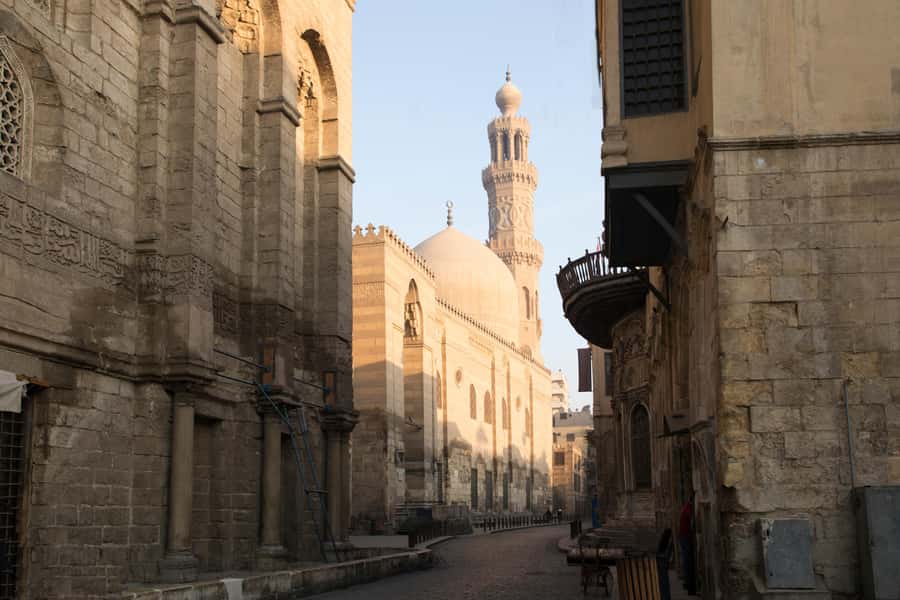
The walk begins in front of Bab al-Futuh, one of the main gates in Cairo’s old city walls. It is a strong meeting point because it is easy to recognize and immediately places you in the historic district.
Allow yourself enough time to arrive. The instructions are clear that the meeting point is directly in front of the gate, and being late can be difficult once the group has moved into the narrow streets. If you book hotel transport, pickup and drop-off are available from locations within Cairo or Giza, but traffic can be slow. One person was delayed by more than 30 minutes because the driver did not know the roads well, while another guide worked hard to help a guest get back to the hotel in time for an airport departure.
At Bab al-Futuh, your Egyptologist guide gives you the basic setting for the walk. The gate is not just a photo stop. It introduces the old defensive walls and the medieval city that grew behind them.
The planned visit is about 15 minutes. That is enough for an introduction and photographs, but not enough for a long architectural study. Think of it as the doorway to the main portion of the tour.
Al-Hakim Mosque and the quiet side of Islamic Cairo
From Bab al-Futuh, you walk to Al-Hakim Mosque. The visit lasts about 25 minutes, making it one of the more substantial stops early in the tour.
Al-Hakim is one of Cairo’s oldest and largest Fatimid mosques. Its massive minarets, stone walls, and open courtyard give you a sense of scale that can be hard to appreciate from photographs. The courtyard also offers a calmer pause before the route becomes more crowded.
Your guide explains the mosque’s place in Cairo’s religious and architectural story. This is where a good explanation helps. Fatimid architecture can look austere at first, with strong lines and large open spaces, but details become easier to notice when someone directs your attention to them.
You should dress respectfully from the beginning, not just when you reach the mosque. Loose clothing covering shoulders, arms, legs, and knees is advised. Women should carry a scarf for religious sites. Comfortable shoes are essential, since the route moves between paved streets, uneven surfaces, and steps.
Bayt al-Suhaymi: inside a 17th-century Ottoman home
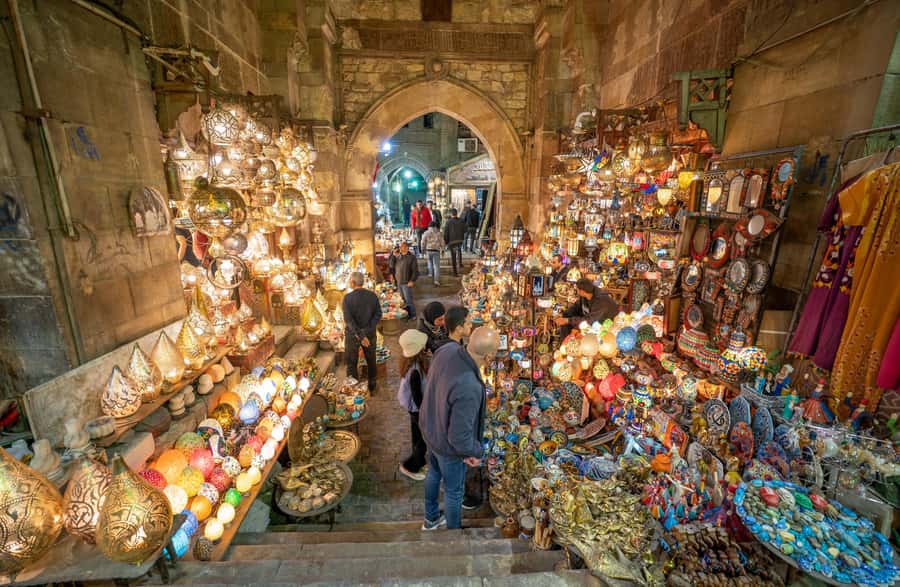
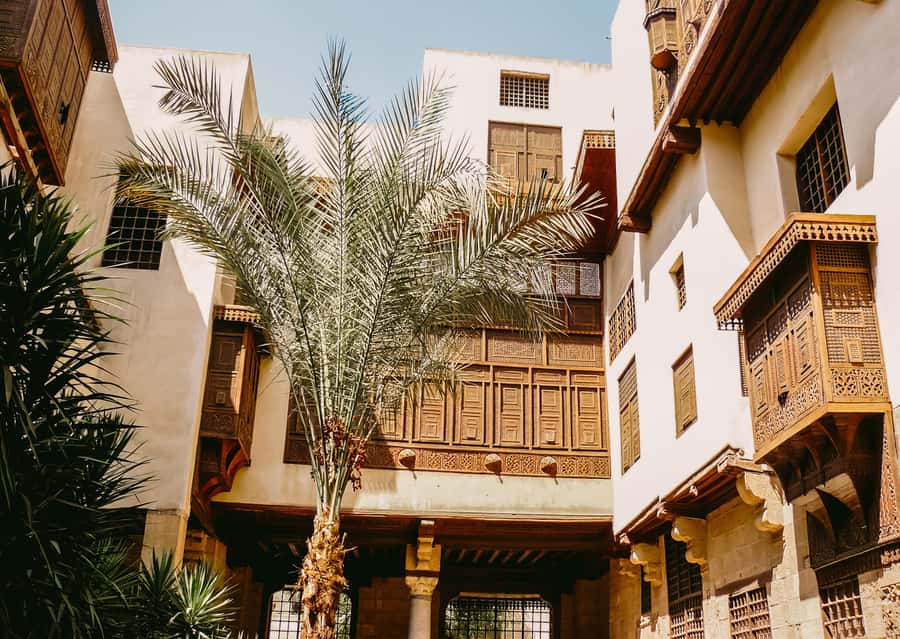
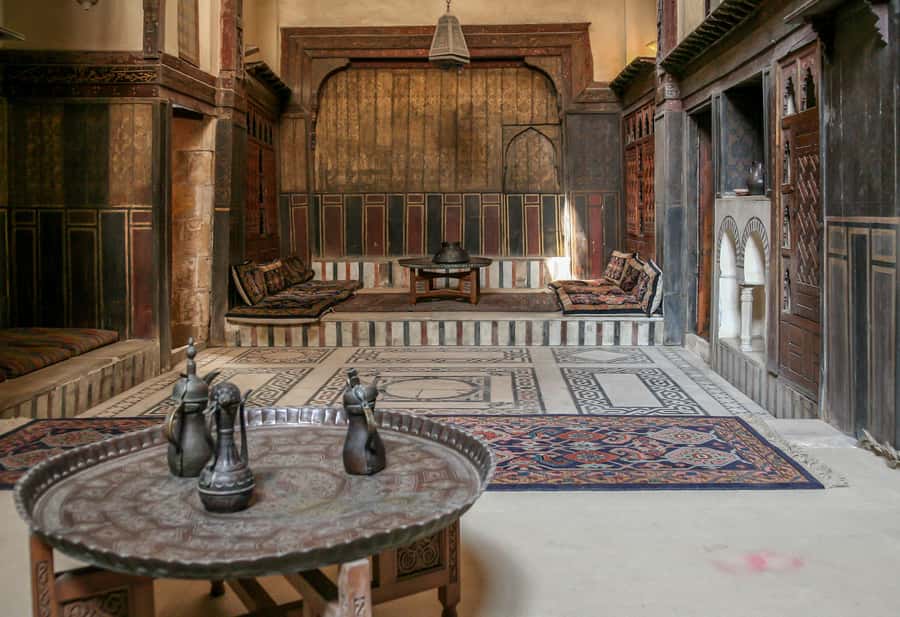
Bayt al-Suhaymi changes the pace of the tour. Instead of another large religious monument, you enter a 17th-century Ottoman residence that shows how Cairo’s wealthy households once lived.
The house includes rooms and a courtyard, with traditional Islamic design built around privacy, shade, and family life. It is one of the stops that helps you picture ordinary routines behind the grand façades of the city.
The scheduled visit is about 25 minutes. That gives your guide time to explain the layout and the lifestyle connected to it, though you should not expect an unhurried museum visit. The tour covers a lot of ground, and each stop is timed to keep the full walk within three to four hours.
For me, this is one of the most useful stops because it widens the story. Old Cairo is not only about rulers, mosques, and monuments. Bayt al-Suhaymi brings the focus to domestic architecture and the people who occupied these spaces.
More walking tours in Cairo:
- Islamic Cairo Walking Tour: Khan el Khalili, Al-Azhar Mosque
★ 5.0 · 96 reviews - Professional Photo Shoot & Authentic Cairo Walking Tour
★ 5.0 · 78 reviews - Walks Of Cairo Night Excursion With Food & walking Tour
★ 5.0 · 67 reviews - Giza Pyramids and The Sphinx Walking Tour
★ 5.0 · 48 reviews
El Moez Street: Cairo’s historic spine

El Moez Street is the route’s main walking section. You pass historic buildings, local vendors, cafés, and doorways that have survived through centuries of change.
The listed sightseeing time is around 15 minutes, but the actual feeling of the street comes from moving through it rather than stopping at one single point. Keep your eyes up for carved stone, decorated entrances, old façades, and the contrast between formal monuments and everyday commerce.
This part of the tour can be lively and distracting. Sellers may approach you, especially near the market. The guides have been praised for helping people handle those encounters and for steering groups toward legitimate shops with fair prices. That does not mean every purchase is fixed-price or that bargaining disappears. It means you have someone nearby who can help you avoid an uncomfortable sales pitch.
Keep your bag close, not because the experience is described as unsafe, but because crowded lanes and distractions make basic city awareness sensible. Large bags and luggage are not allowed on the tour, and baby strollers are also unsuitable.
Sultan Barquq and the Mamluk architectural high point
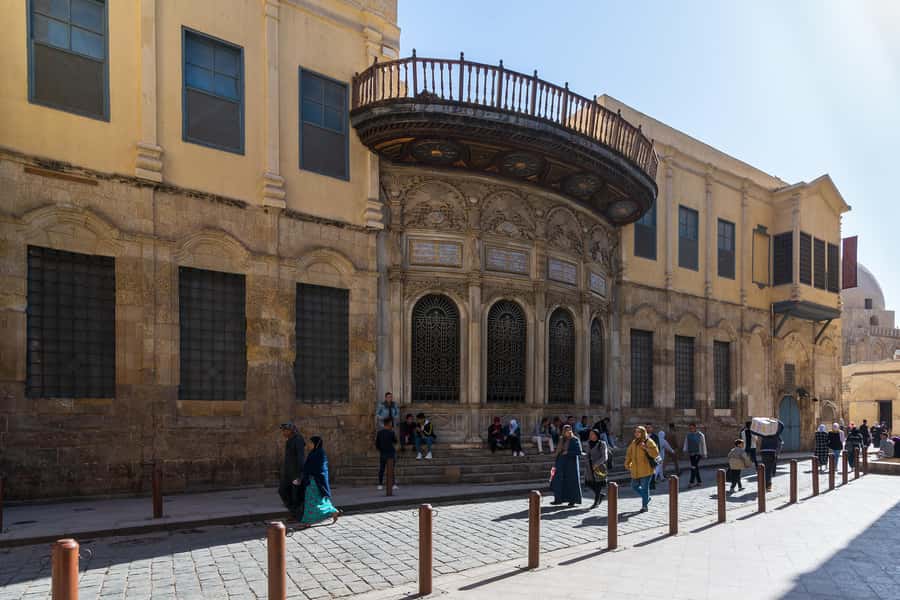
The route then reaches the Mosque and Khanqah of Al-Nasir Faraj Ibn Barquq, commonly associated with Sultan Barquq’s religious complex. The visit lasts about 20 minutes.
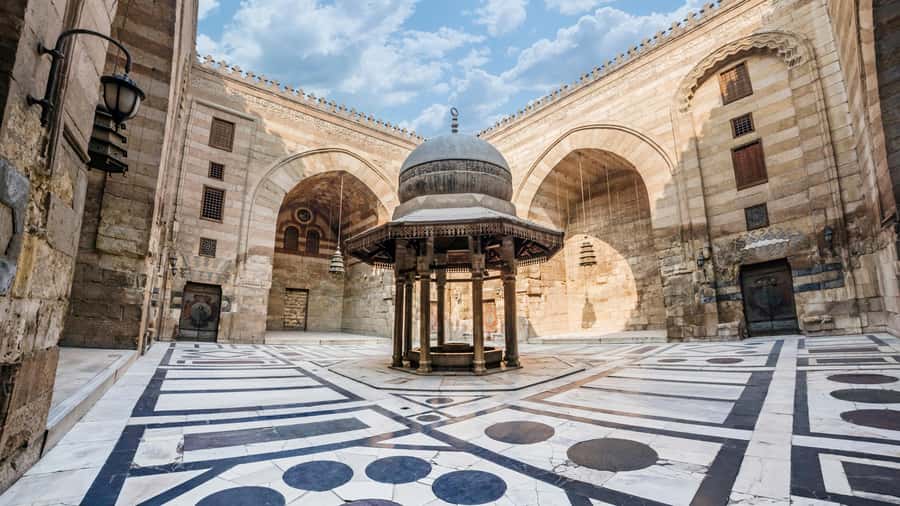
This is one of the architectural highlights. The building combines a mosque, madrasa, and Sufi lodge, showing how religious education, worship, and spiritual life could share one complex. The Mamluk period is especially rewarding to see in person because the decoration is not limited to one surface. Stone, wood, geometry, inscriptions, and carefully framed openings work together.
Your guide can help you read the building instead of simply admiring it. Look for the relationship between the open spaces and the enclosed rooms, then notice how the complex feels both monumental and functional.
The stairs and uneven ground deserve attention here. One person described the route as not suitable for the faint of heart, with rough streets and many stairs. That is useful advance warning, especially if you have knee trouble, balance problems, or limited walking stamina.
Qalawun Complex: mosque, madrasa and mausoleum
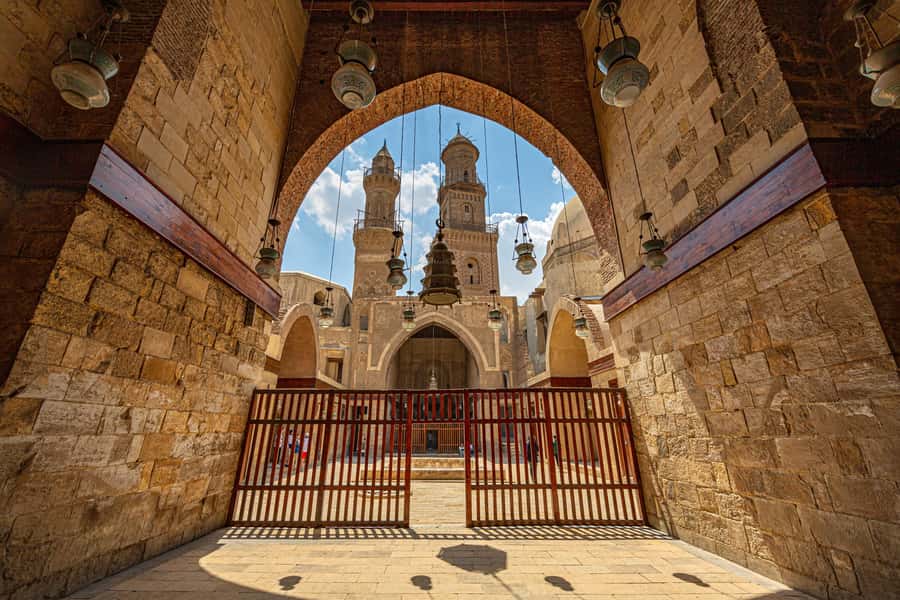
Next comes the Qalawun Complex, another major Mamluk site. It contains a mosque, madrasa, and mausoleum, and it represents the political and cultural ambition of medieval Cairo.
The planned visit is about 25 minutes. This is enough time to see the main spaces and hear the story behind them, but you will need to stay with the group if you want to cover every planned stop.
The complex is especially valuable when paired with Sultan Barquq’s buildings. You can compare two grand Mamluk foundations rather than seeing one in isolation. The guide’s job is to explain what these complexes did and why their combination of religious, educational, and memorial functions mattered.
I would pay attention to the transitions between the sites. The walk itself is part of the lesson. You are not being driven from one isolated attraction to another. You move through the old city and see how major monuments sit beside shops, homes, cafés, and working streets.
Al-Hussein Mosque and the spiritual close
Al-Hussein Mosque provides a quieter spiritual ending before the market. The visit is planned for about 20 minutes, and the mosque has strong religious importance in the heart of Islamic Cairo.
Treat this stop with respect. Cover your shoulders, arms, legs, and knees, and have a scarf ready if needed. Follow your guide’s instructions about where to stand and how to behave.
The atmosphere here is different from the earlier architectural stops. You may find the mosque less about studying a façade and more about observing the devotional character of the place. It gives the walking tour a useful pause before the noise and sales activity of Khan el Khalili.
The final drop-off point is listed at Al Emam El Hussein Mosque. Confirm the exact arrangement if you have booked hotel transport, since pickup and drop-off depend on the option selected.
Khan el Khalili: shopping with a guide nearby
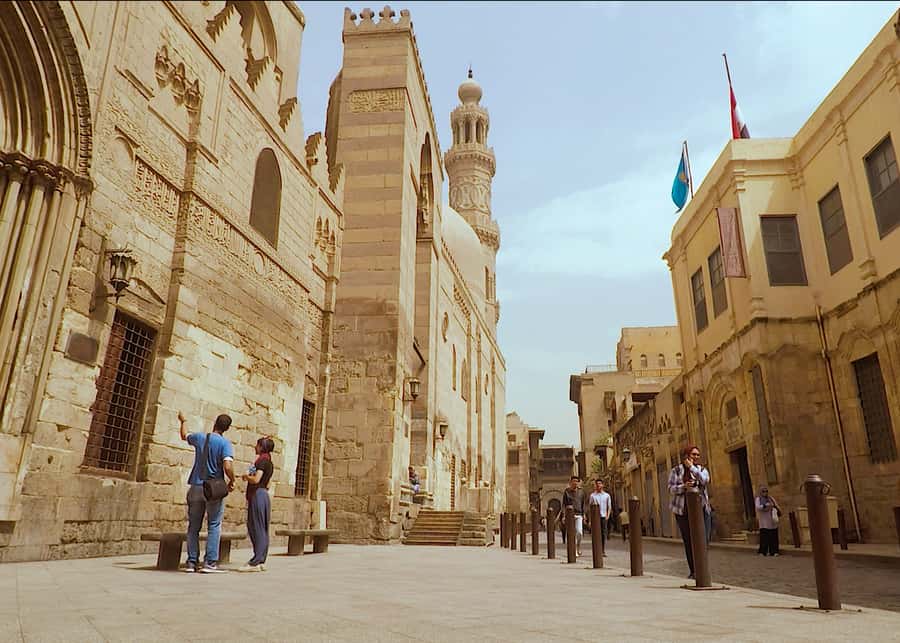
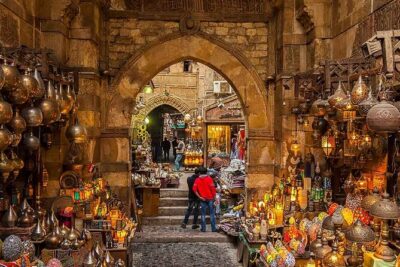
The walk ends in Khan el Khalili Bazaar. The planned sightseeing and shopping time is about 15 minutes, so this is an introduction rather than an afternoon of browsing.
The market is filled with spices, jewelry, textiles, souvenirs, and other goods. You can bargain with vendors, but go in with a clear idea of what you want and how much you are willing to pay. A guide can help you understand the rhythm of the market and avoid getting pulled into every shop.
Do not expect a silent farewell. Khan el Khalili is social, commercial, and full of movement. That is precisely why it works as the ending. After the formal mosques and old residences, you see how the historic district functions as a living part of Cairo.
If you want serious shopping time, return on your own later. On the tour, use the market to get your bearings, make a few purchases, and watch daily life unfold.
Egyptian food makes the ending better
Food is included, and it adds real value to the tour. Depending on the day and availability, you may receive authentic koshary or Egyptian pie, along with zalabya, halabessa, a traditional drink, or a similar local snack.
Koshary is a filling Egyptian dish, while Egyptian pie offers a different taste and texture. Zalabya is a sweet snack, and halabessa is commonly associated with seasoned chickpeas. The exact combination can vary, so do not book this expecting a fixed restaurant menu.
The meal is described as tasty, sufficient, and especially good at the end of a long walk. Vegetarian food is available, according to one account, but you should still mention dietary needs when booking or at the start of the tour.
The food stop is not a luxury meal. That is part of its appeal. You get a simple local bite instead of spending the whole afternoon in an international restaurant. Several guides also added drinks or small sweets along the route, though these extras should not be treated as guaranteed inclusions.
Is $31 good value?
At $31 per person, this is a strong value if you want a guided introduction to Islamic Cairo. The price includes entrance fees to all listed attractions, a professional Egyptologist guide, bottled water, local snacks, street food, and service tax.
That matters in Cairo, where an apparently low tour price can become less attractive if tickets and surprise charges appear later. Here, the main costs are stated upfront. Tipping is not mandatory, though you may choose to tip for especially helpful service.
Hotel pickup and drop-off are optional. If you select that option, the convenience may be worth paying extra, especially if you are unfamiliar with Cairo or visiting during heavy traffic. If you are staying nearby, meeting at Bab al-Futuh may be simpler.
The value is strongest for a first visit. If you already know the monuments well and prefer to set your own pace, the fixed schedule may feel quick. Still, one person who had already spent two days in Old Cairo found the guided walk worthwhile because it revealed details and places that were easy to miss alone.
Timing, comfort and practical preparation
The full experience lasts three to four hours. The walking portions listed for each stop add up to a substantial outing, and some people found that a longer break in the middle would have helped.
Wear shoes that can handle uneven streets and stairs. Carry sunscreen, a hat, and water, even though bottled water is provided. Keep your clothing conservative enough for religious sites from the start.
Do not bring luggage or a large bag. Baby strollers are not allowed, and the route is not suitable for wheelchair users. If you have mobility limits, ask before booking rather than assuming the historic streets will be accessible.
The sequence can change if a site closes. That flexibility is practical, but it means the exact order is not guaranteed. Guides speak English, Arabic, French, Spanish, or German, and the quality of the experience will depend partly on which guide leads your group. The strongest names associated with this tour include Randa, Nahed, Ruby, Dina, Ehab, and Samaa, with many people praising their warmth, humor, and clear explanations.
Free cancellation is available up to 24 hours before departure, and you can reserve now and pay later. Those policies help if your Cairo schedule is still shifting.
Who should book this walk?
I would recommend it to first-time Cairo visitors who want a structured introduction to Islamic Cairo without paying for a full-day excursion. It also suits solo visitors, couples, and anyone who wants help navigating the market and understanding religious architecture.
It is a good choice if you enjoy walking, asking questions, tasting simple local food, and seeing how historic buildings fit into present-day city life. The guides can also be useful for visitors who worry about aggressive sellers or getting turned around in the bazaar.
I would hesitate if you need a slow pace, avoid stairs, use a wheelchair, or want long periods for photography and shopping. The itinerary is full, and the route can feel demanding in hot weather or when traffic delays the pickup.
Should you book the Old Cairo Guided Walk?
Book it if you want a well-priced, history-focused walking tour with entry fees, food, and a guide included. The combination of Bab al-Futuh, Al-Hakim Mosque, Bayt al-Suhaymi, Mamluk monuments, Al-Hussein Mosque, and Khan el Khalili gives you a broad view of the district in one morning or afternoon.
Choose it with realistic expectations. You will walk on rough streets, climb stairs, move through busy market lanes, and sometimes keep a brisk pace. Wear suitable clothes, carry only a small bag, and leave room in your schedule for traffic.
For most first-time visitors, the guide and food make the $31 cost worthwhile. If you want a friendly, efficient introduction to Cairo’s old Islamic quarter, this is one of the better ways to get started.
FAQ
Where does the Old Cairo walking tour begin?
The meeting point is in front of Bab al-Futuh. Hotel pickup and drop-off are available if you choose an option that includes transport within Cairo or Giza city limits.
How long does the tour last?
The tour lasts approximately three to four hours. The exact starting time depends on availability.
What food is included?
The tour includes street food such as authentic koshary or Egyptian pie, plus local snacks such as zalabya or halabessa, or similar items. Vegetarian food is available according to the tour information.
Which languages are available?
Live guides may conduct the tour in English, Arabic, French, Spanish, or German.
What should I wear?
Wear loose clothing that covers your shoulders, arms, legs, and knees. Women should carry a scarf for religious sites. Comfortable walking shoes, sunscreen, and a hat are also recommended.
Is the tour suitable for wheelchair users or strollers?
No. The tour is not suitable for wheelchair users, and baby strollers are not allowed. Large bags and luggage are also prohibited.
Newly listed around Cairo
- Full Day Trip from Cairo to Luxor★ 5.0 · 16 reviews
- Private half Day Tour to the Great 3 Pyramids of Egypt★ 5.0 · 15 reviews
- VIP Tour inside Giza Pyramids★ 4.5 · 103 reviews
- Private guide’s trip to Giza pyramids, Great sphinx valley temple★ 5.0 · 37 reviews
- Full-Day Private Tour to Giza Pyramids, Sphinx, Memphis & Saqqara★ 5.0 · 106 reviews
- Unique Tour to The Grand Egyptian Museum and 12 main galleries★ 4.0 · 38 reviews
- Elite Boats Tour in Cairo & Giza with Drinks Included★ 4.5 · 15 reviews
- Sunset & Night Open Air Nile Cruise in Cairo & Giza★ 5.0 · 158 reviews
Walking Tours, compared.
Islamic Cairo Walking Tour: Khan el Khalili, Al-Azhar Mosque
Read our review →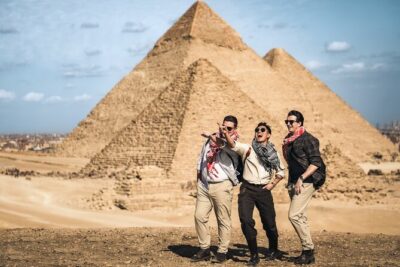
Professional Photo Shoot & Authentic Cairo Walking Tour
Read our review →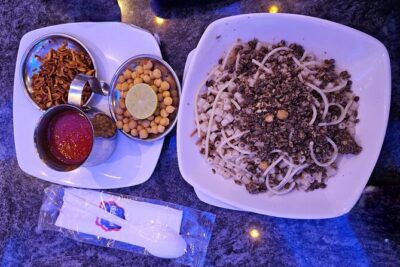
Walks Of Cairo Night Excursion With Food & walking Tour
Read our review →
Have a walk in old Cairo with a visit to Cairo tower
Read our review →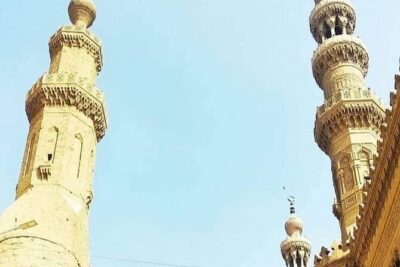
Private Walking Tour in ElMoez Street & Khan Elkhalili Market
Read our review →Browse the lists this tour appears in