
Reviewed · VALLEY OF THE KINGS TOURS
Luxor Excursion “Valley of the Kings” from Hurghada (Maine group)
Luxor rewards the early riser. This Hurghada excursion packs Karnak, the Colossi of Memnon, Hatshepsut’s temple, the Valley of the Kings, and a Nile crossing into one demanding day. I like the small maximum of eight people and the fact that lunch, entrance fees, an air-conditioned vehicle, and hotel pickup are included.
I also like the care shown by guides such as Caleb, Ahmed, Muhammed, and Muhammad Said, who are praised for explaining Egypt clearly and keeping people supplied with water. The catch is the road: the drive can take about four and a half hours each way, so this is a serious 15 to 20-hour outing, not a gentle day trip.
In This Review
- Key Points Before You Book
- Why This Hurghada to Luxor Trip Makes Sense
- The 4:00 am Pickup and Road to Luxor
- Karnak Temple: Two Hours Among Colossal Columns
- Crossing the Nile to the West Bank
- Colossi of Memnon: A Short Stop with a Big View
- Hatshepsut’s Temple at Deir el Bahari
- The Valley of the Kings: The Day’s Main Prize
- The Guides and the Human Side of the Day
- Lunch, Comfort, and What the $100 Covers
- Who Should Book This Luxor Excursion
- Final Verdict: Worth the Road?
- FAQ
- What time does the Luxor tour begin?
- How long does the excursion last?
- What sites are included?
- Is lunch included?
- Are entrance tickets included?
- How large is the group?
- Is hotel pickup available?
- Is Banana Island included?
Key Points Before You Book
- Four major Luxor sights in one day: Karnak, the Colossi of Memnon, Hatshepsut’s temple, and the Valley of the Kings are all covered.
- Small-group format: The vehicle carries no more than eight people, which should feel more personal than a large coach.
- Very early departure: Pickup begins at about 4:00 am, with a long return journey later in the day.
- Good package value: Lunch, transport, taxes, and entrance tickets are included in the $100 price.
- Guides are a major strength: Several named guides are praised for clear explanations, patience, hydration, and family-friendly care.
- Optional extras need care: Banana Island is not included and costs extra. Ask what it involves before agreeing to add it.
Why This Hurghada to Luxor Trip Makes Sense
Hurghada is well placed for Red Sea beaches, but Luxor is where ancient Egypt becomes vivid. The problem is distance. You cannot make this excursion without giving up a large slice of the day to the road.
That long ride is the price of seeing the Nile Valley from a Hurghada base. The group leaves at 4:00 am, allowing a useful start in Luxor. You might sleep in the minivan, and planned toilet breaks help, but you should still expect a tiring day.
The small-group limit is a real advantage. With up to eight people, the guide can keep an eye on the group and answer questions more easily. It also means the minivan should not be packed to full coach capacity. One report praised the comfortable vehicle and the extra space, while another described the transport as clean and well maintained despite a small tire problem on the way.
The package is straightforward. At $100 per person, you are paying for a full day of transport from Hurghada, a driver, a guide, lunch, entrance tickets, and taxes. That is fair value if you want to see several major sites without arranging each part yourself. It is less attractive if you dislike long road journeys or prefer to linger at one monument.
More West Bank and Valley of the Kings days:
- Small group Hurghada to Luxor, Valley of the Kings by Van
★ 4.5 · 2,470 reviews - Small Group Excursion to Luxor Valley of the Kings from Hurghada
★ 5.0 · 637 reviews - Luxor: Valley of the Kings and Hatshepsut Temple w/Nile Boat
★ 5.0 · 230 reviews
The 4:00 am Pickup and Road to Luxor
The day begins before sunrise. Pickup is offered from hotels in Hurghada, with an extra $10 per person for transfers from Ahia, El Gouna, and Sahl Hasheesh.
The schedule is one point to check carefully. The advertised duration is roughly 15 to 20 hours, but the actual day can run late because of traffic, road conditions, and the length of the route. One account describes arriving back just in time for dinner. Plan on missing most of the evening and do not arrange an important late-night activity afterward.
The ride itself can feel long. Several people found the four-and-a-half-hour journey tiring, though the chance to sleep in the vehicle and stop for toilets made it easier. Drinks were provided on some trips, and guides sometimes handed out water from site to site. Still, bring your own bottle, snacks, and tissues. Toilet access on the road can be limited.
The air-conditioned vehicle matters, especially during Egypt’s hot months. Wear loose clothing, carry sunscreen and a hat, and keep a light layer nearby for the early morning. You will want practical shoes, since the day involves walking over temple grounds and uneven surfaces.
Karnak Temple: Two Hours Among Colossal Columns
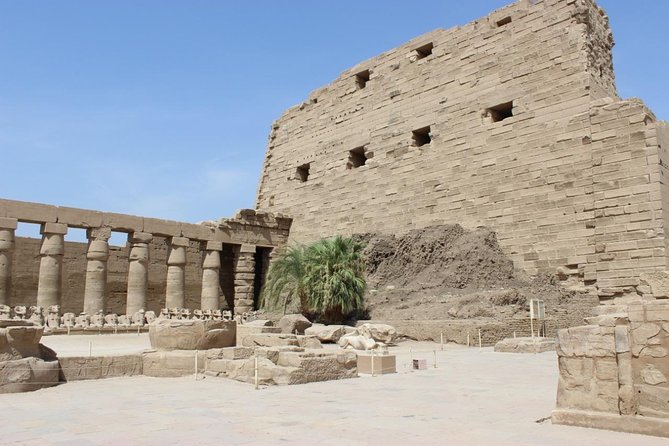
Karnak is the grand opening act. This enormous temple complex is a collection of pylons, courtyards, chapels, columns, and damaged structures built and expanded by many rulers over a long period.
You get about two hours here, with admission included. That gives your guide enough time to explain the main religious and royal ideas without turning the visit into a quick photo stop. It is also the place where a good guide can make the difference between seeing piles of stone and understanding how the complex functioned.
Look closely at the scale. Columns tower above you, and the decorated surfaces reveal how rulers used temples to present themselves to the gods and to the people. The size can be hard to grasp in photographs. Walking through the complex gives you a better sense of the labor, planning, and power behind it.
Two hours is useful, but not generous. A guide may move you along to keep the full schedule, especially since several more sights follow. If you want long quiet pauses for photography, say so early. The group format may allow some flexibility, but this is still a tightly packed day.
Crossing the Nile to the West Bank
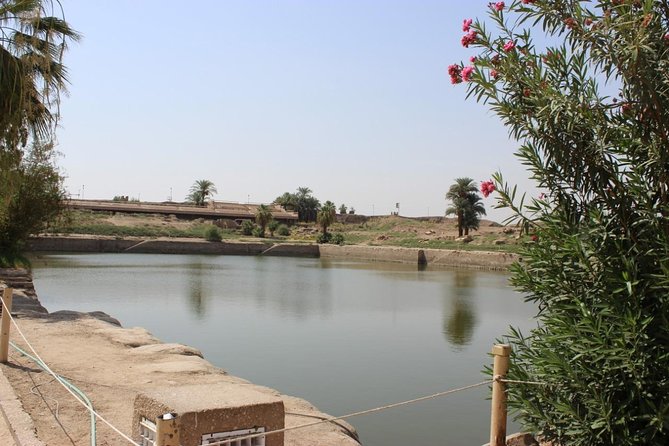
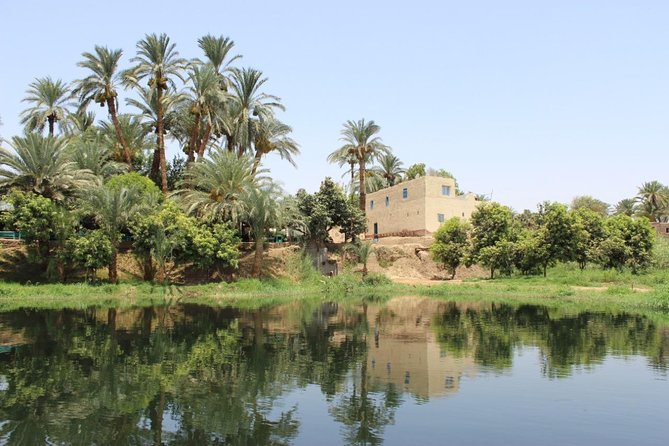
The route includes a boat crossing of the Nile. It is a short but welcome change from the minivan and gives you a different view of Luxor’s two sides.
The Nile divides the modern city and the ancient sites of the west bank. The temples and tombs on the west side are tied to burial and the afterlife, while Karnak on the east side served a major religious role. Even without a long lecture, the crossing helps you understand the layout of the day.
Do not confuse this crossing with the optional Banana Island visit. Banana Island is not included in the price, and it is an extra-cost activity. If it is offered, ask what you will see, how long it takes, and exactly what you will pay. If animal welfare is important to you, ask clear questions before accepting any add-on.
A few more Hurghada outings to price up
- From Hurghada: Cairo and Giza Highlights Full-Day Tour
★ 4.5 · 6,014 reviews - Hurghada: Luxury Cruise Trip to Orange Bay with Lunch
★ 4.9 · 5,451 reviews - Hurghada: Orange Bay Island Boat Trip w/ Breakfast and Lunch
★ 4.9 · 5,345 reviews - Hurghada: Royal Seascope Submarine Cruise with Snorkel Stop
★ 4.4 · 4,637 reviews
Colossi of Memnon: A Short Stop with a Big View
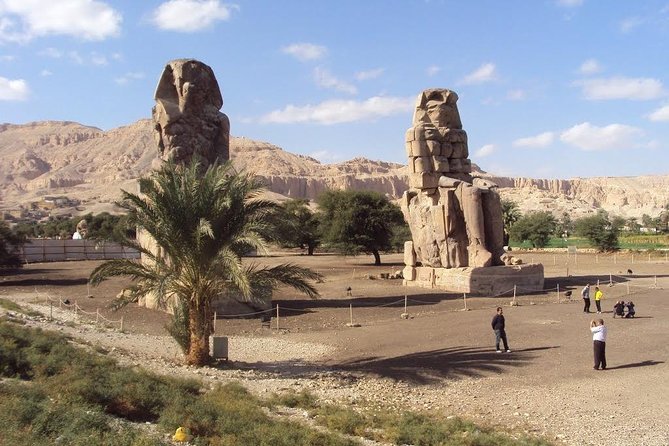
The Colossi of Memnon receive about 20 minutes. These two huge stone statues portray Pharaoh Amenhotep III and have watched over the Theban west bank for roughly 3,400 years.
This is a brief stop, but it works well as a first look at the west bank. The statues are easy to view from outside, and their size makes a strong impression even when you have only a short time.
Do not expect a long guided visit here. Twenty minutes is enough for photographs and a compact explanation, but not for a slow study of the surrounding area. Keep your camera ready and listen for the key details before the group moves on.
Hatshepsut’s Temple at Deir el Bahari
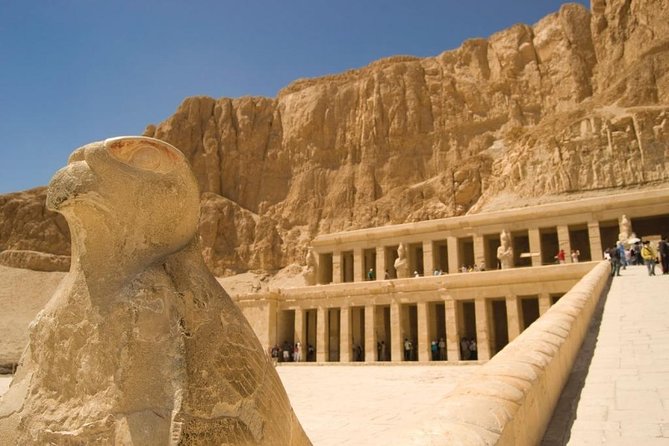
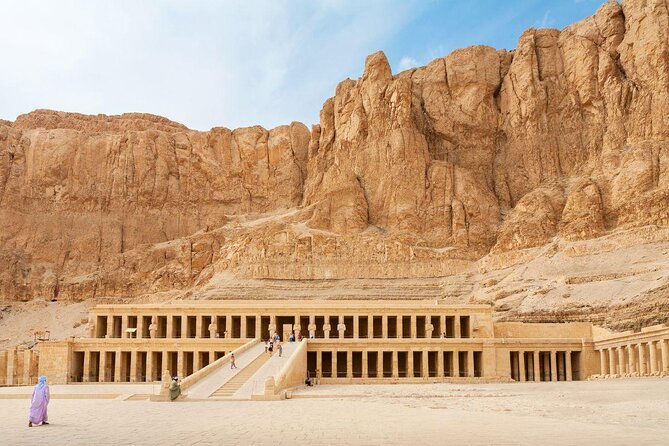
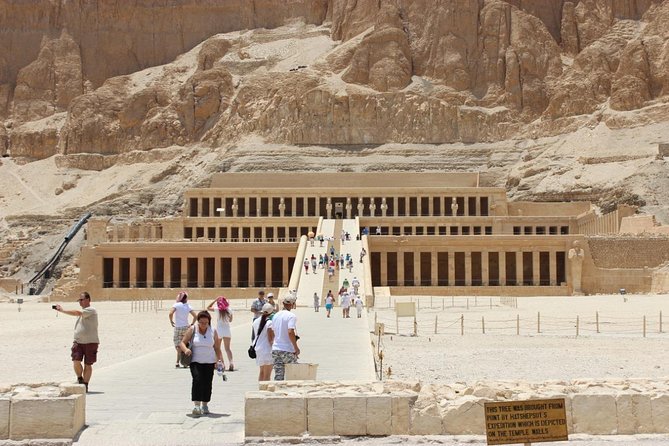
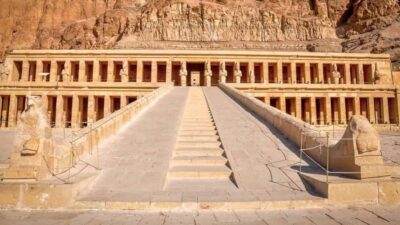
The Temple of Hatshepsut gets about two hours, making it one of the more substantial stops. It sits at Deir el Bahari on the west bank, set against steep desert cliffs.
Hatshepsut was one of ancient Egypt’s most important female rulers, and her mortuary temple reflects a confident royal image. Its broad terraces and long lines feel different from the enclosed spaces at Karnak. Here, the setting is part of the experience. The temple rises in stages toward the rock behind it, creating a strong contrast between carved stone and bare desert.
This is a place where sun protection becomes essential. There is little reason to arrive without a hat, sunscreen, and water. The walking may not seem difficult at first, but heat and the accumulated miles from earlier stops can take their toll.
Two hours sounds generous, though part of that time may include listening to the guide and walking between viewpoints. Some accounts praise guides for making the history easy to follow, while another felt the stops were rushed overall. The best approach is to stay close enough to hear the explanation, then use any free time for your own photographs and a slower look.
The Valley of the Kings: The Day’s Main Prize
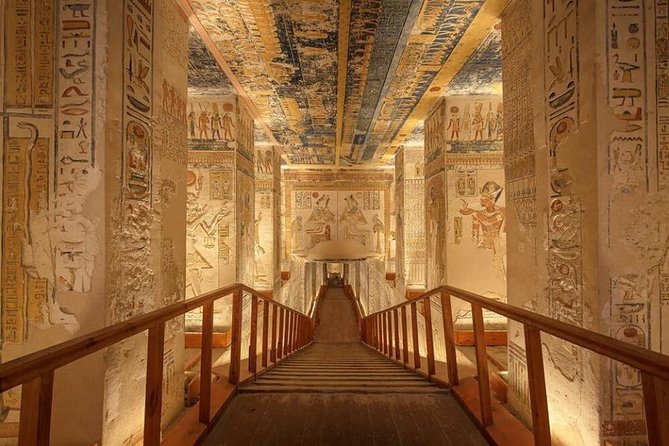
The Valley of the Kings is the reason many people choose this tour. For nearly 500 years, pharaohs were buried in tombs cut into the west bank hills. The painted chambers offer a close look at ancient burial beliefs and royal art.
You have about two hours here, and admission is included. The exact tombs available can vary, so do not book this excursion expecting a guaranteed list of specific interiors. Your guide should explain which tombs are open and how the ticket arrangements work.
The valley is hot, dry, and exposed. Bring sunscreen, a hat, and water. Wear shoes with a firm grip, since entering tombs can mean walking on sloped or uneven ground.
The site can feel rushed because it is so important and so large. You will not see every tomb in one visit. Two hours is enough to enter several selected tombs and appreciate the painted walls, but you should accept that this is an overview rather than a specialist study.
One practical detail is the small train used in parts of the wider area. It may help with access to more distant points, though it is not described as a separate included feature of this booking. Ask your guide what is covered before paying for anything extra.
The Guides and the Human Side of the Day
The strongest part of the experience is often the guide. Caleb is praised for being humble, supportive, and attentive to hydration, while Ahmed is described as a pleasure to spend the day with and a strong source of information about Egypt. Muhammed is praised for explaining the sites thoroughly, and Muhammad Said is associated with arranging smooth pickups and transport.
Those details matter on a day this long. A guide who watches the group, explains the past in clear language, and warns you about purchase points can prevent confusion and reduce pressure.
The style may vary by guide. Some people prefer a detailed explanation at each stop. Others would rather explore independently. One account felt the guide moved the group too quickly and said it might have been more enjoyable without one. I would treat that as a reminder to speak up politely if you need ten minutes for your own look around.
The guide is also useful for practical questions: where to find a toilet, how much walking remains, which tombs are open, and when you need to return to the vehicle. On a tightly timed route, those answers save energy.
Lunch, Comfort, and What the $100 Covers
Lunch is included, along with an air-conditioned vehicle, all listed entrance fees, and taxes. That makes the price easier to judge because you are not starting with a low fare and then adding every major ticket.
The value is strongest for people who want convenience. You do not need to arrange a private driver, negotiate each transfer, or work out how to link the east and west banks in one day. The small group also adds a little comfort and personal attention.
The trade-off is time. You pay not just $100, but also a full day and a very early start. If you have only one free day in Hurghada and Luxor is high on your list, that exchange makes sense. If you have several days and want a slower visit, an overnight stay in Luxor would give you more breathing room, though that option is not part of this experience.
Bring small personal supplies even though lunch is provided. A bottle of water, simple snacks, sunscreen, tissues, and a hat are sensible. The trip may provide drinks, but conditions can vary, and the cool box was not always working properly.
Who Should Book This Luxor Excursion
I would recommend it to you if you want the main Luxor sights in one organized outing and you can handle a long drive. It suits families who value a guide and a controlled route, especially since one account found the day suitable for children.
It also fits first-time visitors who want context rather than just transport. A good guide can explain why Karnak, Hatshepsut, and the Valley of the Kings belong to different parts of ancient Egyptian religious life.
I would hesitate if you dislike early mornings, get uncomfortable in vehicles, or need a relaxed pace. The schedule is ambitious. Heat, walking, and the late return can turn a great archaeological day into an endurance test if you arrive unprepared.
The 93 percent recommendation and 4.6 rating suggest a strong overall experience, but they should not hide the main weakness: the road takes a long time, and some people feel the sightseeing is rushed. Go in expecting an overview, not a private archaeological field day.
Final Verdict: Worth the Road?
Yes, for the right kind of visitor. At $100, this is a sensible way to reach Luxor from Hurghada and cover four major sites, with transport, lunch, tickets, and a guide included.
Book it if you would rather see the Valley of the Kings now than postpone Luxor entirely. Skip it if your ideal holiday day involves sleeping late and spending an hour at every monument.
My advice is simple: confirm the pickup area, prepare for a 4:00 am start, pack for heat, and ask about every optional purchase. If you accept the long road and keep your expectations realistic, this can be one of the most rewarding history days available from Hurghada.
FAQ
What time does the Luxor tour begin?
The stated start time is 4:00 am.
How long does the excursion last?
The approximate duration is 15 to 20 hours.
What sites are included?
The tour includes Karnak Temple, the Colossi of Memnon, the Temple of Hatshepsut at Deir el Bahari, and the Valley of the Kings. It also includes a boat crossing of the Nile.
Is lunch included?
Yes. Lunch is included in the tour price.
Are entrance tickets included?
Yes. All listed tickets, fees, and taxes are included.
How large is the group?
The maximum group size is eight people.
Is hotel pickup available?
Yes, pickup is offered. Transfers from Ahia, El Gouna, and Sahl Hasheesh cost an additional $10 per person.
Is Banana Island included?
No. Banana Island is an optional extra and is not included in the stated price.
Newly listed around Hurghada
- Viva Egypt hurghada Hula Hula Island & Lunch & Water sports 3*1★ 5.0 · 54 reviews
- Hurghada Full Day Desert Tour★ 5.0 · 51 reviews
- Private Transfers Hurghada Airport to Hurghada, Safaga, Soma Bay★ 5.0 · 19 reviews
- Hurghada to Luxor: Private Transfer & Dendara optional★ 5.0 · 27 reviews
- Full Day Luxor Excursion★ 5.0 · 16 reviews
- morning quad bike★ 5.0 · 22 reviews
- Parasailing Ride in Hurgada single&double with private Transfer★ 5.0 · 16 reviews
- Snorkeling and Swimming at Orange Bay Island★ 5.0 · 19 reviews
Valley of the Kings Tours, compared.
Luxor Valley of the Kings & Tutankhamun Tomb Trip
Read our review →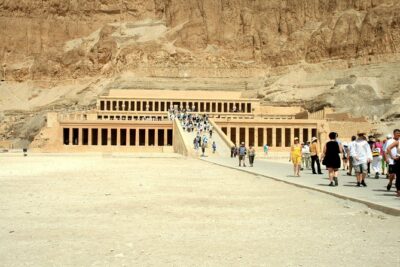
Small group Hurghada to Luxor, Valley of the Kings by Van
Read our review →Luxor Day Tour: Valley of Kings & Queens & Hatchepsut Temples
Read our review →Valley of the Kings and Hatshepsut Temple Day Tour
Read our review →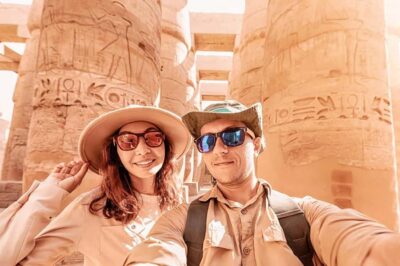
Luxor Tour with Valley of Kings, Karnak & Tut Tomb
Read our review →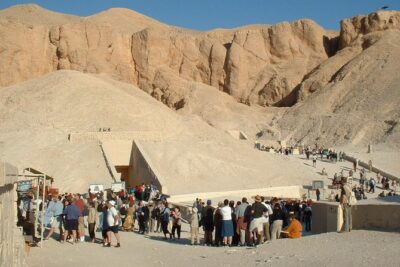
Valley of Kings, Hatchepsut Temple ,Karnak & Luxor-DayTour
Read our review →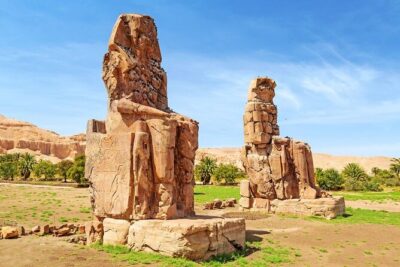
Full Day Tour of Luxor West Bank Temples and Tombs (Private)
Read our review →
Small Group Excursion to Luxor Valley of the Kings from Hurghada
Read our review →Browse the lists this tour appears in