
Reviewed · GIZA PYRAMIDS TOURS
Giza Pyramids Sakkara Memphis Full Day Tour
Ancient Egypt packs a lot into one day. This private eight-hour tour links the Giza Pyramids and Sphinx with Sakkara’s early stone monuments and the remains of Memphis, giving you a useful look at how Egyptian royal power changed over time. I especially like the private car and flexible pace, plus the chance to see more than the famous pyramids alone. The main point to check before booking is the final cost, since lunch, tips, and entrance tickets are not included in the $20 price.
The day is planned from about 8 a.m. to 4 p.m., with transportation, bottled water, and a guide included. I also like that families can set their own rhythm, a real help when children are along. The drawback is that the description gives only an estimated ticket price, so you should confirm current entrance fees before you go.
In This Review
- Key details that shape the day
- Why this route works better than a Giza-only visit
- Giza Pyramids: the grand opening
- The Sphinx and its quiet power
- Sakkara and the first pyramid
- Memphis, the old royal capital
- The guide can make or break the day
- Transport, lunch, and the real price
- Who will get the most from this tour
- Booking and cancellation details
- Should you book the Giza, Sakkara, and Memphis tour?
- FAQ
- How long does the tour last?
- Which places are included?
- Is transportation included?
- Is this a private tour?
- Are entrance tickets included?
- Is lunch included?
- Can I cancel for a full refund?
Key details that shape the day
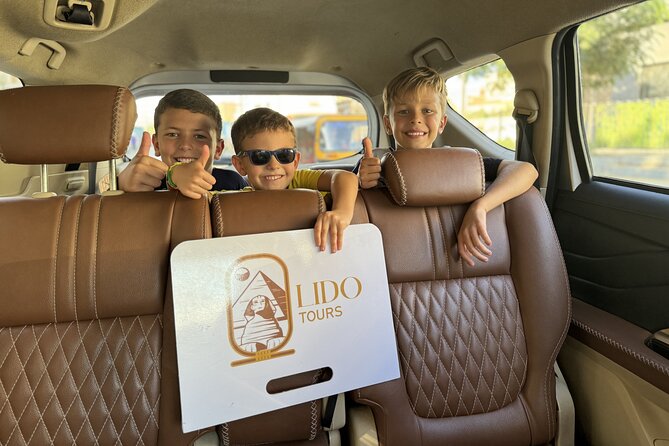
- Private transportation for your group: You travel by car with a driver rather than joining a large bus group.
- Three major ancient sites: Giza, Sakkara, and Memphis show different periods of Egyptian civilization.
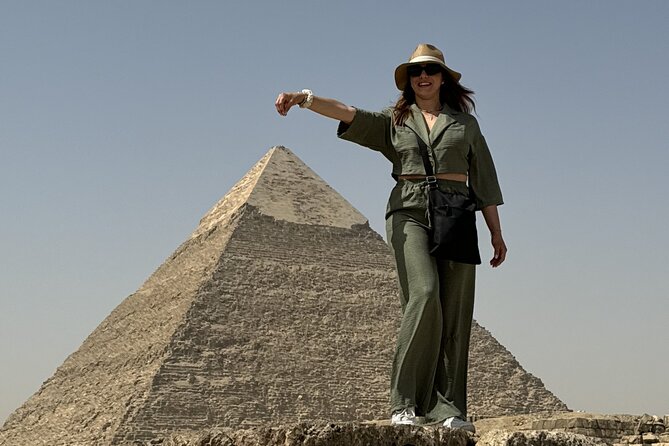
- Time for pyramid photos: The Giza visit includes the plateau and broad views toward the Sahara Desert.
- A guide-led experience: Guides such as Lido, Osam, Mustafa, and Walid have been praised for clear explanations, family care, and help with photographs.
- An eight-hour schedule: The tour runs roughly from 8 a.m. to 4 p.m., making it a full but manageable day.
- Extra costs remain: Lunch, tipping, and admission tickets are outside the advertised price.
Why this route works better than a Giza-only visit
Giza is the obvious reason to book, but Sakkara and Memphis give the day much more shape. At Giza, you see the monuments most people picture when they think of Egypt. At Sakkara, you trace the development of pyramid building. Memphis then adds the story of the old capital that once directed much of the country.
I like this order of ideas, even if the exact driving sequence can vary. You are not simply collecting famous places for photographs. You are seeing a progression from an early capital, to the first major stone pyramid, to the great royal monuments at Giza.
The private format matters here. Your guide can spend more time explaining a place that catches your interest, or move along if the heat, crowds, or children in your group need a break. Several accounts describe guides adjusting the pace for families, including groups with young children.
More Saqqara, Memphis and Dahshur days:
- Private Tour to explore Giza Pyramids – Saqqara -Memphis
★ 5.0 · 294 reviews - Unbeatable tour (Giza Pyramids,Sphinx,Sakkara,Memphis)
★ 5.0 · 123 reviews - Giza Pyramids – Sphinx & Saqqara & Memphis
★ 5.0 · 114 reviews
Giza Pyramids: the grand opening
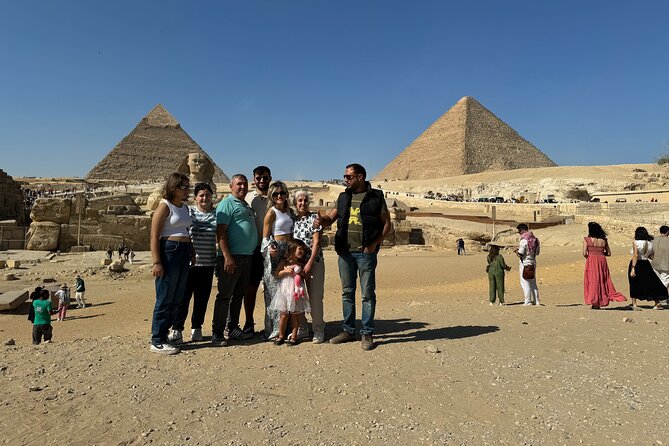
The Giza portion brings you face to face with the Great Pyramid, the Pyramid of Khafre, the Pyramid of Menkaure, and the wider plateau. The tour also includes a panoramic viewpoint, useful for seeing the pyramids together rather than as separate monuments.
The Great Pyramid is the headline. Built from enormous stone blocks, it reached about 149 meters in its original form and has sides set at roughly a 51-degree angle. The remarkable part is not only its size. It is the question of how builders organized such a project thousands of years ago, long before modern cranes and machinery.
Your guide can help turn those familiar stones into a human story: royal ambition, skilled labor, careful measurement, and years of planning. Without explanation, the pyramid can become a giant photo stop. With a good guide, you begin to notice its shape, scale, and position on the plateau.
You may also have the option to enter one of the smaller pyramids, something that appealed strongly to families. The interior is not a comfortable walk for everyone. Passages can be tight, low, and physically demanding, so you should decide based on your knees, back, and comfort with enclosed spaces.
The plateau itself is broad and exposed. You will want water, a hat, comfortable shoes, and clothing suitable for strong sun. Bottled water is included, which is a small but useful touch during a long day outside.
The Sphinx and its quiet power
The Sphinx is included with the Giza visit, and it offers a different mood from the pyramids. The statue has the body of a lion and a human head, carved from limestone and traditionally linked with King Khafre, the ruler associated with the middle pyramid.
At about 73.5 meters long, 19.5 meters wide, and 20 meters high, it is enormous, though its lower position can make it appear smaller in photographs. The front paws stretch for about 15 meters, a detail worth keeping in mind when you are standing near the viewing area.
I find the Sphinx best appreciated slowly. Look at the relationship between the statue, the temples, and the pyramids behind it. Its role as a guardian of the plateau gives the monument a strong sense of purpose, not just an impressive shape.
This is also one of the places where a guide can save you time and annoyance. One account specifically praised the guide for finding good photo positions and helping the group avoid persistent sellers. That does not mean the site will be free of sales pitches, but having a local guide beside you can make the experience feel more controlled.
Sakkara and the first pyramid
Sakkara is where the day becomes more revealing. The site is associated with the falcon-headed god Seker, connected with the dead, and it served as an important cemetery for ancient Memphis.
Its best-known monument is the Step Pyramid of King Djoser, often described as the earliest large free-standing stone structure still found on its original site. It is an important turning point in Egyptian building, moving from earlier burial forms toward the pyramid shape later perfected at Giza.
The supplied description refers to King Zoser, another spelling commonly used for Djoser. Ask your guide to explain the monument’s design and development, since Sakkara makes much more sense when you understand that it represents an early stage in pyramid construction.
The Sakkara area is extensive, stretching for roughly four miles in length and two miles in width across the desert. You will not see every corner in one visit. The advantage of a private tour is that your guide can focus on the main monuments and select tombs rather than sending you through a fixed sequence.
The tombs are a major reason to keep Sakkara on the schedule. Their decorated walls can provide a more personal look at ancient Egyptian life than the huge royal monuments do. One family particularly enjoyed the detail inside the tombs, along with entering a smaller pyramid.
Sakkara also has a practical downside. The area is spread out, and the combination of walking, sun, and uneven ground can be tiring. If you are with children or anyone who tires easily, tell the guide early. The day is private, so a short pause may be easier to arrange than on a rigid group excursion.
More ways to see the Pyramids and the Sphinx:
- Private guided tour to Giza Pyramids, and Great Sphinx
★ 5.0 · 1,755 reviews - VIP Giza Pyramids,Sphinx,ATV bike,CamelRide,Shopping&DinnerCruise
★ 5.0 · 704 reviews - From Hurghada: Pyramids and Egyptian Museum Tour & Boat Ride
★ 4.4 · 381 reviews - Sharm El-Sheikh: Full-Day Tour of Cairo and Pyramids by Bus
★ 4.8 · 237 reviews
Memphis, the old royal capital
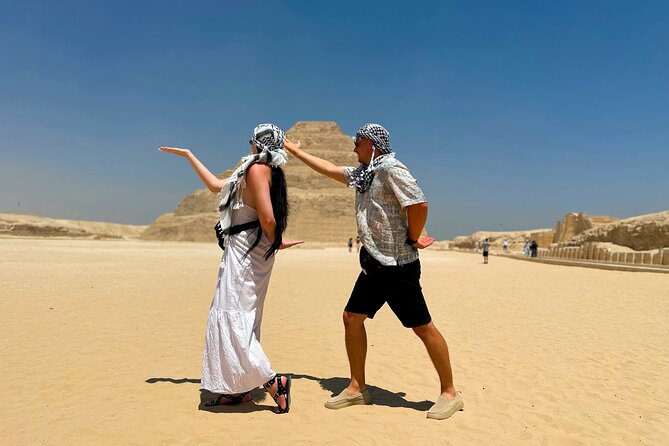
Memphis adds a different kind of history because it was a city, not just a cemetery or royal tomb complex. According to the traditional account, King Menes founded it around 3200 BC after uniting Upper and Lower Egypt. It was built on the western bank of the Nile and served as the country’s first capital.
Memphis remained a royal center through the reign of Menes and the following three dynasties, with palaces and temples built by its rulers. Much of the ancient city is now gone, so you should not expect a complete urban ruin comparable to a preserved archaeological city.
Instead, Memphis is about understanding its former importance and seeing the surviving pieces. The visit helps connect the pyramids to the government, religion, and royal administration that made such construction possible.
This stop also breaks up the monument-heavy rhythm of Giza and Sakkara. After stone pyramids and tombs, you get a clearer sense of the city that supported the royal machine.
The guide can make or break the day
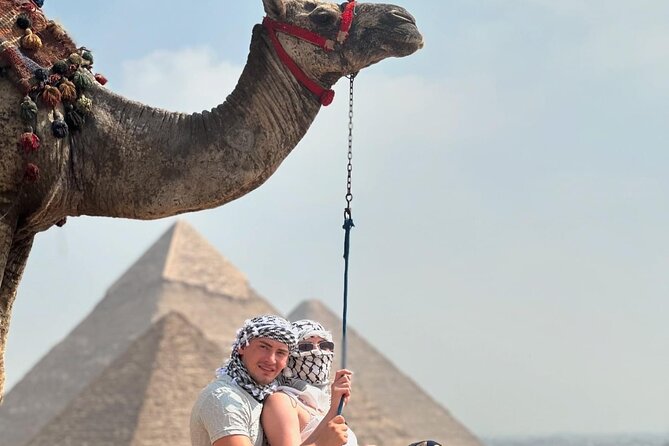
The strongest praise for this experience centers on the guides and drivers. Lido is repeatedly described as friendly, well prepared, and good at explaining Egyptian history to adults and children. Osam and driver Abdoo were praised for attentive care, a relaxed pace, and a steady supply of water.
Other names connected with positive experiences include Mustafa, Walid, and Abdul. Because guide assignments can change, I would not assume a particular person will lead your tour. Still, the pattern is useful: the company has a team that appears comfortable with private groups, families, different languages, and varied interests.
You should tell the guide what matters to you at the start. If you want more archaeology, say so. If you want time for photographs, a camel ride, or a shorter visit inside a pyramid, make that clear. The private format gives you more influence over the day than a standard coach tour.
The reviews also point to good support for language differences. One family felt the team helped everyone keep up, and another group praised the transportation as comfortable and dependable. Those details matter because eight hours in an unfamiliar city can become tiring if communication is poor.
Transport, lunch, and the real price
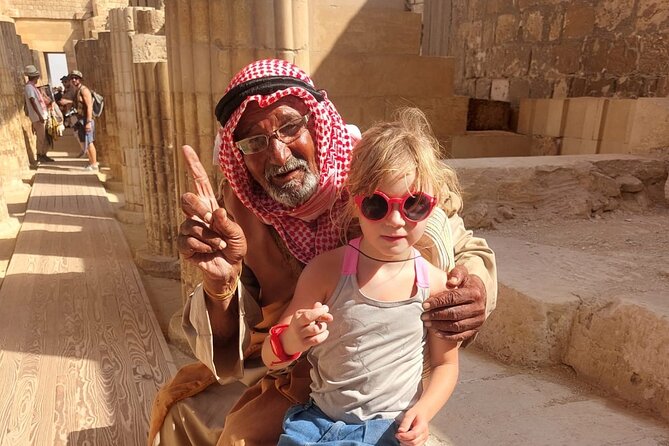
At $20 per person, the advertised rate is unusually low for a private full-day excursion with a car, driver, guide, and bottled water. It can be good value if you want door-to-door support and a guide without paying for a luxury package.
You need to read the inclusions carefully. The price does not include lunch, tipping, or entrance tickets. The ticket cost is described as an estimate and may change, so your actual spending will be higher than the headline price.
Lunch has been included in some reported outings, but the formal inclusions exclude it. Treat lunch as an optional extra rather than a guaranteed part of the booking. Ask before departure where you will eat and whether the meal is paid separately.
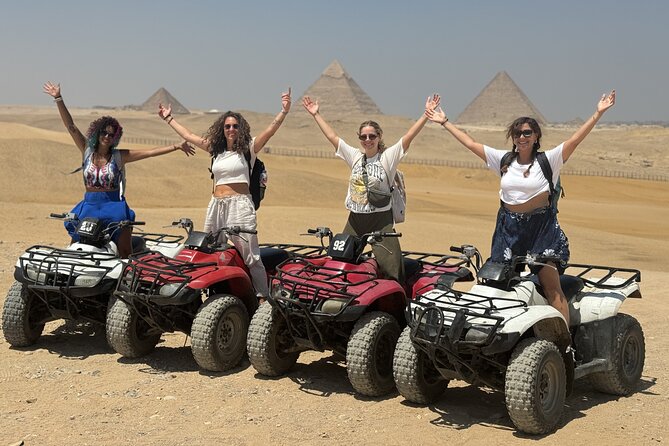
The same point applies to camel rides. Some families enjoyed one, but it is not listed among the included features. If you want that experience, confirm the price and arrangements in advance.
Air conditioning is especially valuable during the long drive between sites and the hot outdoor stops. The private car also gives you a place to sit between visits, rather than remaining with a large group at every stage.
Who will get the most from this tour
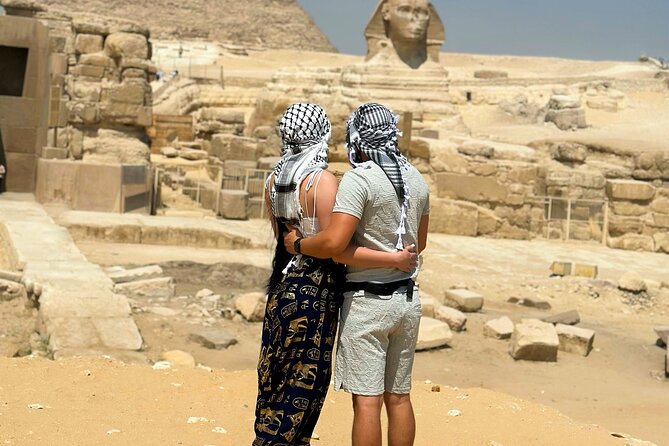
I would recommend this tour to first-time visitors who want the major Giza monuments but also want to understand what came before them. It suits families particularly well because the guide can adjust the pace, help children follow the story, and make room for photo stops.
It is also a good fit if you prefer a private experience and want help dealing with navigation, sellers, and the movement between widely separated sites. The full day gives you far more context than a quick Giza visit.
You may want a different plan if you dislike long days, walking in the sun, or changing between several archaeological sites. Sakkara is spread out, the pyramid interiors can be cramped, and the ticket costs need to be added to the advertised price.
Photography fans should do well here. The Giza plateau offers wide views, and several guides have been praised for knowing useful photo locations and taking pictures for their groups. Just remember that the best photo stop is not always the best history stop, so leave room for both.
Booking and cancellation details
Pickup is offered, and confirmation is received when you book. The activity is private, meaning only your group participates, although group discounts are also advertised.
Most people can take part, but the information does not provide detailed accessibility specifications. If you need specific support for walking, steps, or entering a pyramid, ask the operator before booking.
Free cancellation is available if you cancel at least 24 hours before the start time. Cancellations or changes made within 24 hours are not refunded or accepted, and the cutoff uses local Egyptian time.
Should you book the Giza, Sakkara, and Memphis tour?
Book it if you want an affordable private day that combines Egypt’s biggest sight with two places many short visits skip. The best reasons are the private car, flexible pace, guide support, and the clear connection between Memphis, Sakkara, and Giza.
Before paying, confirm the entrance fees, lunch arrangements, camel ride cost if wanted, and pickup details. If you do that, the $20 starting price can offer strong value.
I would choose this tour for families, first-time visitors, and anyone who wants practical help around Giza without being locked into a large group schedule. I would skip it only if you prefer a slower, single-site day or want every cost included upfront.
FAQ
How long does the tour last?
The tour lasts approximately eight hours, generally from 8 a.m. to 4 p.m.
Which places are included?
The experience includes the Giza Pyramids and Sphinx, Sakkara, and Memphis.
Is transportation included?
Yes. Transportation is included, along with a tour guide and bottled water.
Is this a private tour?
Yes. Only your group participates in the activity.
Are entrance tickets included?
No. Tickets are not included, and the stated ticket price is only an estimate because fees can change.
Is lunch included?
No. Lunch is listed as an additional cost. Some outings have included a meal, so you should confirm the arrangement before departure.
Can I cancel for a full refund?
Yes, if you cancel at least 24 hours before the experience begins. Cancellations made within 24 hours are not refunded.
More Full-Day in Giza
- Full-Day Private Tour to Giza Pyramids, Sphinx, Memphis & Saqqara
★ 5.0 · 106 reviews - Full day tour to Pyramids Sphinx and Egyptian Museum of Cairo
★ 5.0 · 58 reviews - Cairo Two Full Day Tours (Jewels Of Cairo)
★ 5.0 · 53 reviews - Discover Alexandria’s Wonders: Full-Day Private Tour from Cairo
★ 5.0 · 50 reviews
Newly listed around Giza
- Full Day Trip from Cairo to Luxor★ 5.0 · 16 reviews
- Private guide’s trip to Giza pyramids, Great sphinx valley temple★ 5.0 · 37 reviews
- Private half Day Tour to the Great 3 Pyramids of Egypt★ 5.0 · 15 reviews
- VIP Tour inside Giza Pyramids★ 4.5 · 103 reviews
- Full-Day Private Tour to Giza Pyramids, Sphinx, Memphis & Saqqara★ 5.0 · 106 reviews
- Unique Tour to The Grand Egyptian Museum and 12 main galleries★ 4.0 · 38 reviews
- Elite Boats Tour in Cairo & Giza with Drinks Included★ 4.5 · 15 reviews
- Sunset & Night Open Air Nile Cruise in Cairo & Giza★ 5.0 · 158 reviews
Giza Pyramids Tours, compared.
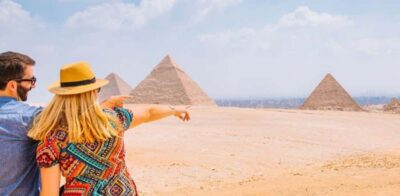
Pyramids & Great Sphinx Private Tour with Camel Ride
Read our review →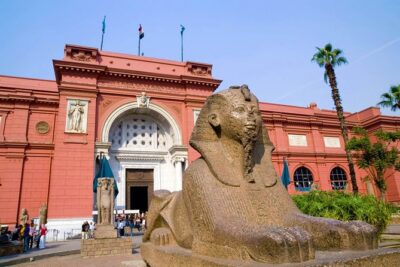
Tour to Giza Pyramids and The Egyptian Museum
Read our review →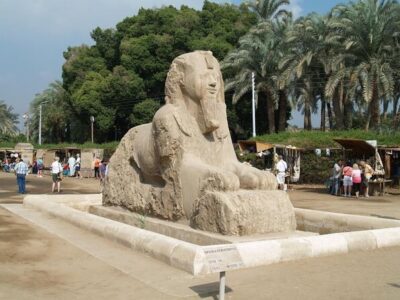
VIP All inclusive Best of the best Giza Pyramids,Sakkara,Memphis
Read our review →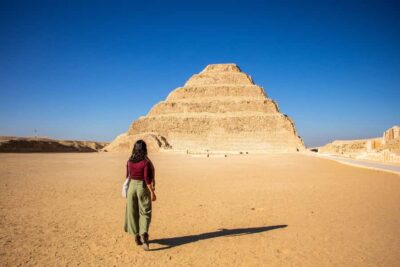
Pyramids of Giza, Sphinx, Saqqara & Memphis Tour
Read our review →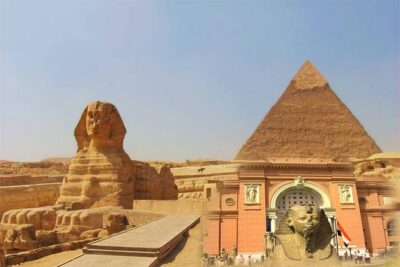
Cairo 8 Hour Private Tour of Pyramids, Egyptian Museum and Bazaar
Read our review →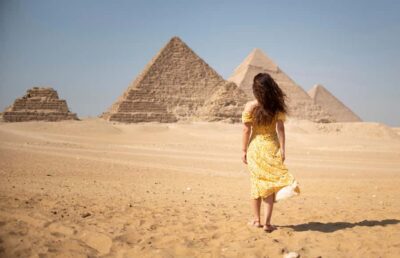
Half-Day Tour to Pyramids of Giza and the Sphinx
Read our review →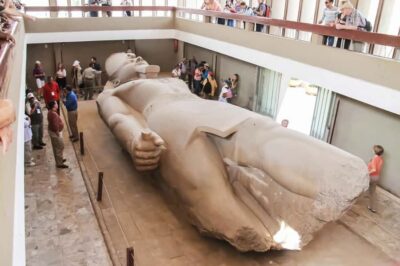
Private ViP all-inclusive Giza Pyramids,Sphinx,Inside Pyramid
Read our review →Browse the lists this tour appears in