
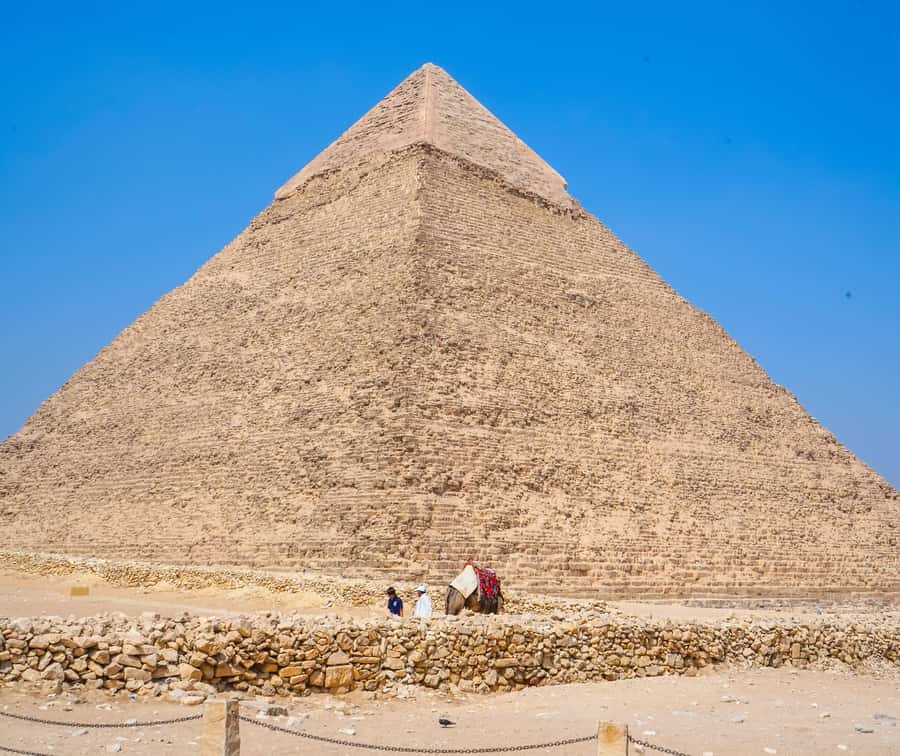
Reviewed · GIZA PYRAMIDS TOURS
From Cairo/Giza: Pyramids, Memphis, and Sakkara Day Tour
Egypt’s oldest skyline is only the beginning. I like that this tour links the Giza Pyramids with Memphis and Sakkara, showing how Egyptian pyramid design developed over time. I also like the hotel pickup, air-conditioned transport, and flexible choice of shared, private, and VIP tours.
The main drawback is that the fullest version tries to cover four major sites in one day. Shopping stops may also appear unless you ask to skip them, and several add-ons, including lunch, camel rides, and the felucca, cost extra on most packages.
In This Review
- Key points to know before booking
- What this Cairo pyramids tour actually offers
- Giza Plateau: the essential first stop
- Practical Giza advice
- Memphis: a short visit to Egypt’s first capital
- Sakkara and the Step Pyramid of Djoser
- Dahshur: the clearest lesson in pyramid design
- Shopping stops and optional extras
- Transport, guides, and the value of going private
- Lunch, the felucca, and what costs extra
- Who should book this tour?
- My verdict: good value with careful planning
- FAQ
- How much does the tour cost?
- How long does the tour last?
- Is hotel pickup included?
- Is lunch included?
- Is the Nile felucca ride included?
- Are the tours available in languages other than English?
- Can I skip the shopping stops?
Key points to know before booking
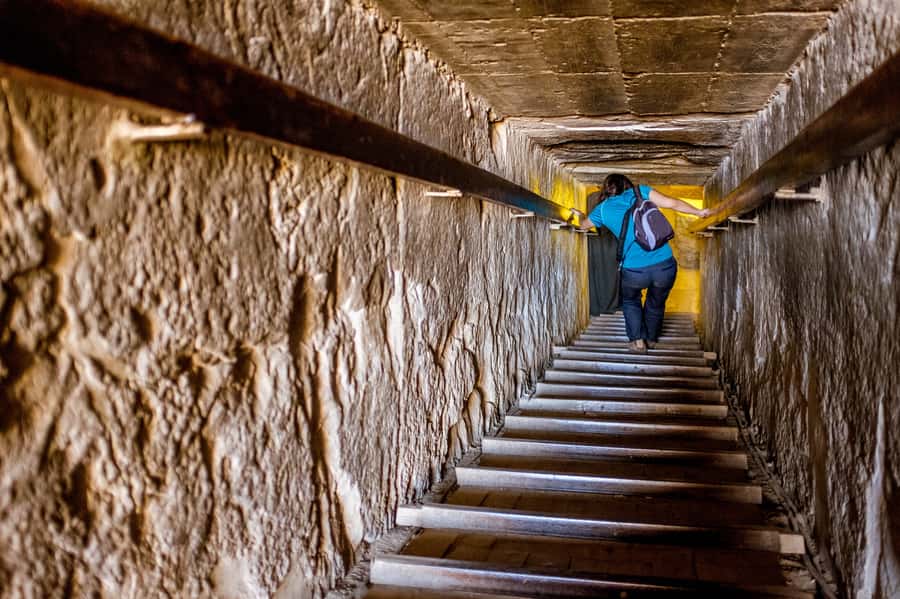
- Giza gives you the iconic sights: The Great Pyramid of Khufu, the pyramids of Khafre and Menkaure, the Sphinx, and the Valley Temple form the tour’s essential opening chapter.
- Sakkara explains the next step: The Step Pyramid of Djoser shows how Egyptian builders moved toward the smooth-sided pyramids at Giza.
- Memphis adds context: Statues, the colossal Ramses II, and an alabaster Sphinx help explain the political importance of Egypt’s first capital.
- Dahshur rewards archaeology fans: The Bent Pyramid and Red Pyramid reveal the trial-and-error behind later pyramid building.
- Guides make a real difference: Guides such as Mohamed Saleh, Ahmed, Soliman, Iman, Mou Fouraad, and others have been praised for clear explanations, patience, photography help, and careful timing.
- The VIP version is a full-day splurge: It includes all four archaeological areas, lunch, and a felucca ride on the Nile.
What this Cairo pyramids tour actually offers
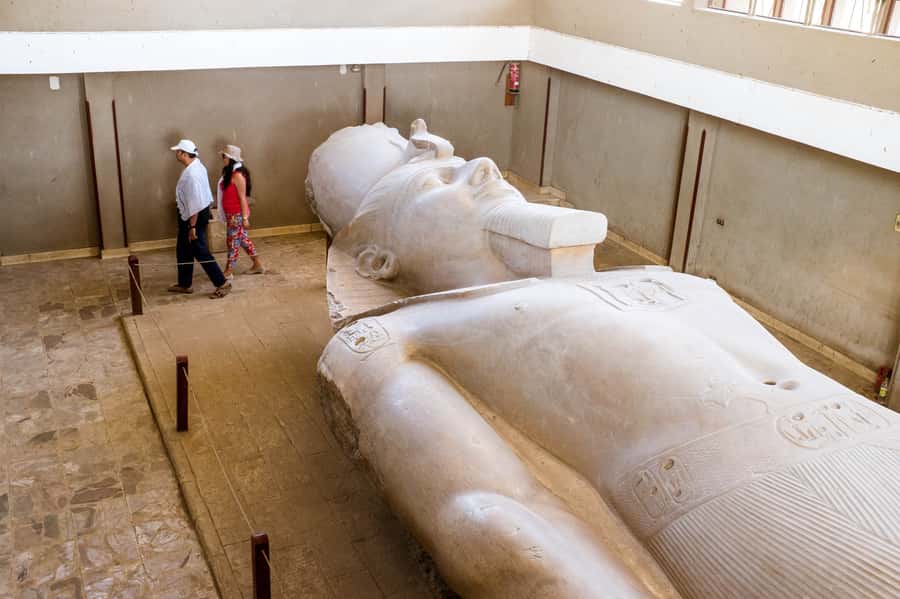
At $41 per person, the basic price is attractive for a private vehicle, hotel pickup, a licensed guide, bottled water, and entry tickets to the landmarks selected during booking. The catch is that $41 applies to the tour format and inclusions you choose, not necessarily to the grandest version with every site, lunch, and the felucca ride.
You can book a short Pyramids Only outing in the morning or afternoon. Other combinations include Giza with Memphis and Sakkara, Memphis with Sakkara and Dahshur, or all four sites in one day. The advertised duration ranges from three to eight hours, so check the exact selection carefully before paying.
I see this as a useful way to organize a first look at ancient Cairo. Driving between the sites saves you from arranging several taxis and dealing with local bargaining at every turn. A good guide also gives you a storyline rather than a string of stone monuments.
The shared tour is guided in English and is the budget choice. The private tour offers guides in several languages, more control over the pace, and lunch as an optional extra. The VIP private tour is available in English and includes the broadest route, lunch, and a peaceful felucca sail.
More Saqqara, Memphis and Dahshur days:
- VIP All inclusive Best of the best Giza Pyramids,Sakkara,Memphis
★ 5.0 · 3,164 reviews - From Cairo: Pyramids of Giza, Sphinx, Saqqara & Memphis Tour
★ 4.7 · 3,110 reviews - Cairo: Pyramids, Sakkara & Memphis Tour with Lunch
★ 4.6 · 2,493 reviews
Giza Plateau: the essential first stop
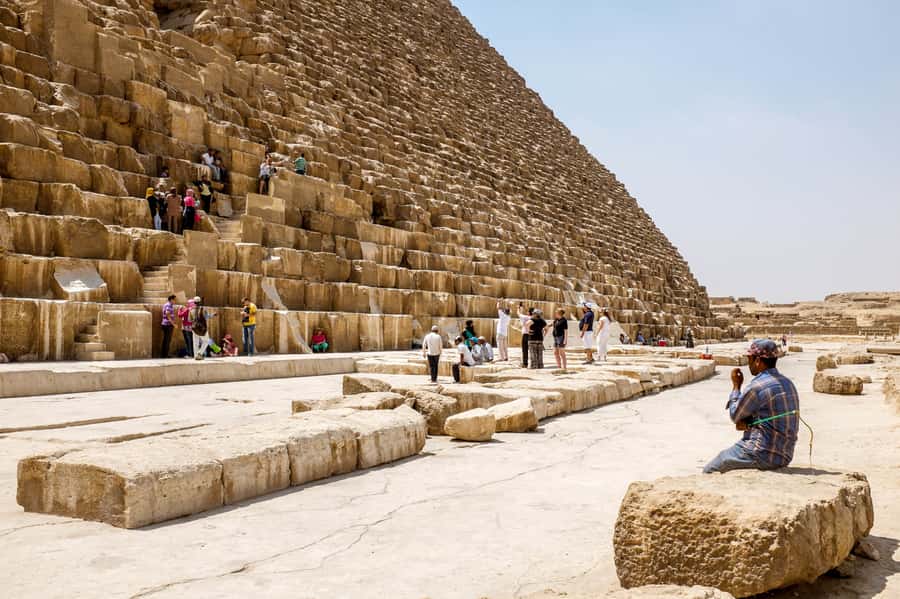
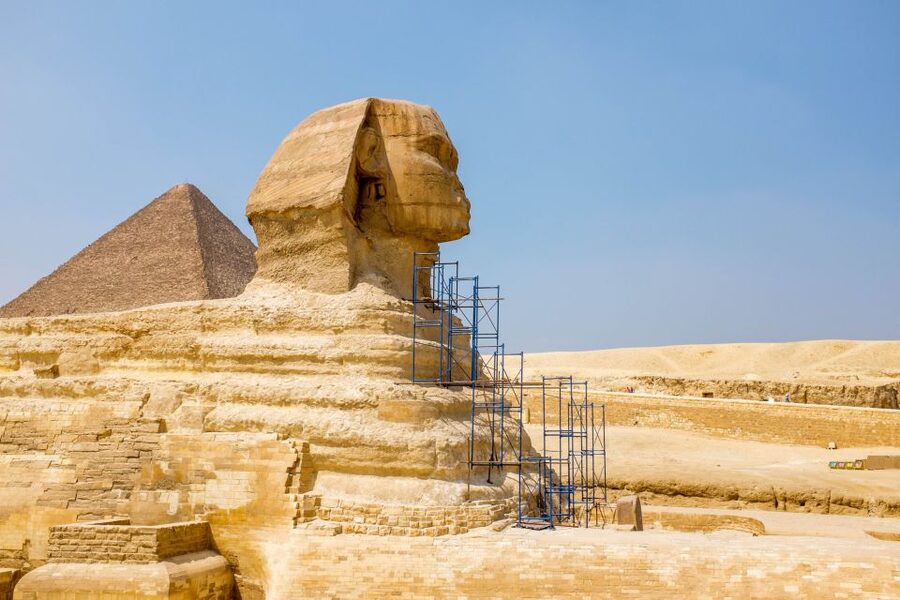
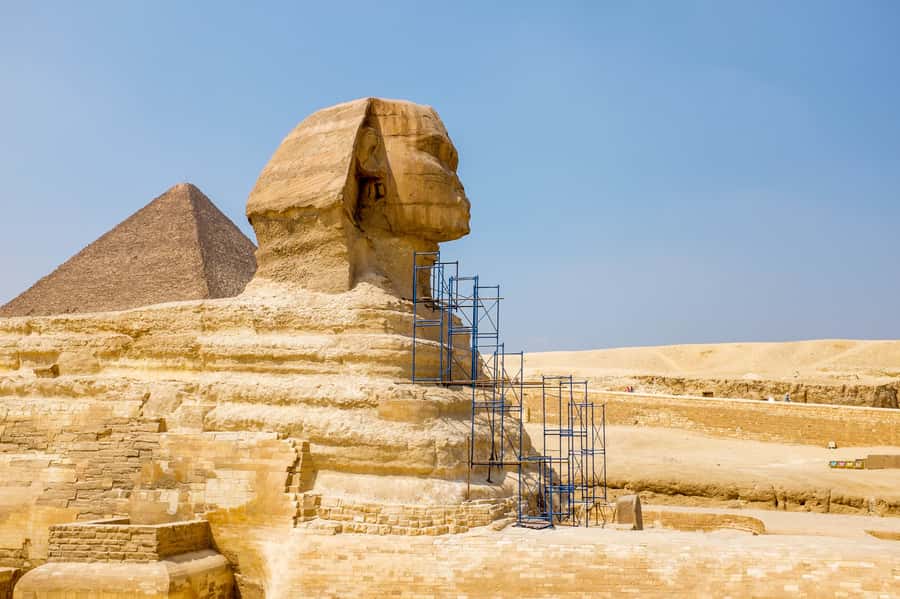
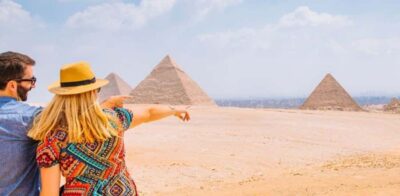
The Giza Plateau is the reason most people book this outing. Here you see the Great Pyramid of Khufu, the Pyramid of Khafre, and the Pyramid of Menkaure, along with the Great Sphinx and Valley Temple.
Your guide will explain the pharaohs connected with the pyramids and the theories surrounding their construction. The value is not just standing in front of the monuments. You begin to see Giza as a carefully planned royal cemetery, rather than three isolated pyramids placed in the desert.
The Great Sphinx provides the tour’s most familiar photo opportunity. With a lion’s body and a king’s face, it represents royal power and protection. The nearby Valley Temple connects the Sphinx area to ancient funerary ceremonies, including the rites associated with mummification.
Allow time for photos, but listen closely to your guide about where to stand. Several guides, including Mohamed Saleh and Ahmed, were praised for finding strong photo angles and helping with pictures and videos. That small service matters at Giza, where the best views can be surprisingly hard to locate on your own.
Some private itineraries may include a tomb such as the Meresankh tomb, if available and agreed in advance. One particularly strong account describes a guide explaining the painted interior and showing how the walls glitter when illuminated in darkness. Do not assume this tomb visit is part of every package. Ask before booking if it is important to you.
The tour does not automatically include entry inside the Great Pyramid. That is a separate issue from seeing the pyramid exterior, and you should confirm ticket details when choosing your option.
Practical Giza advice
- Wear shoes with a good grip and bring sunscreen, a hat, sunglasses, and water.
- Camel and horse rides are add-ons, not standard inclusions.
- If you choose a camel ride, clarify the price, duration, and route before setting off.
- A past booking included a camel ride advertised as one hour that lasted about 19 minutes, so agree on the details in advance.
- Tips are commonly expected for camel handlers and photo assistance, so carry small bills.
Giza can feel busy and commercial. That is part of the setting, not a surprise to be discovered on arrival. Tell your guide early if you want to focus on archaeology and skip sales stops.
Memphis: a short visit to Egypt’s first capital
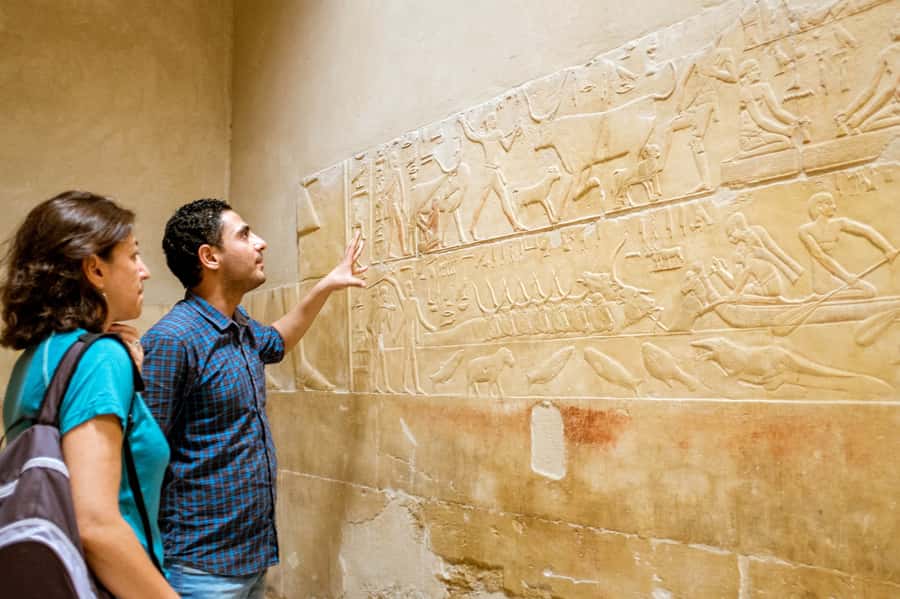
Memphis was founded around 3,100 BC and served as Egypt’s capital for many dynasties. Its importance was political, religious, and artistic. This stop gives you a useful change of scale after the enormous pyramids.
The open-air museum contains statues and remains from the ancient capital, including a colossal statue of Ramses II and an alabaster Sphinx. The Ramses statue is especially memorable because of its size and the detail still visible in the carved face and body.
Memphis is not as visually intact as Giza or Sakkara. You will see scattered remains rather than a complete ancient city. That can make the stop feel brief, but it also shows how much of ancient Egypt survives through fragments, museum pieces, and archaeological work.
One important practical point: confirm that Memphis is included in your selected option. A past tour ended up replacing Memphis with papyrus and oil shops, which was disappointing for someone expecting the capital. The written program now offers several combinations, but you should still repeat your priorities to the guide at pickup.
More ways to see the Pyramids and the Sphinx:
- Cairo: Pyramids & Great Sphinx Private Tour with Camel Ride
★ 4.9 · 6,335 reviews - Tour to Giza Pyramids and The Egyptian Museum
★ 5.0 · 6,016 reviews - Cairo 8 Hour Private Tour of Pyramids, Egyptian Museum and Bazaar
★ 5.0 · 2,931 reviews - From Cairo: Half-Day Tour to Pyramids of Giza and the Sphinx
★ 4.6 · 2,891 reviews
Sakkara and the Step Pyramid of Djoser
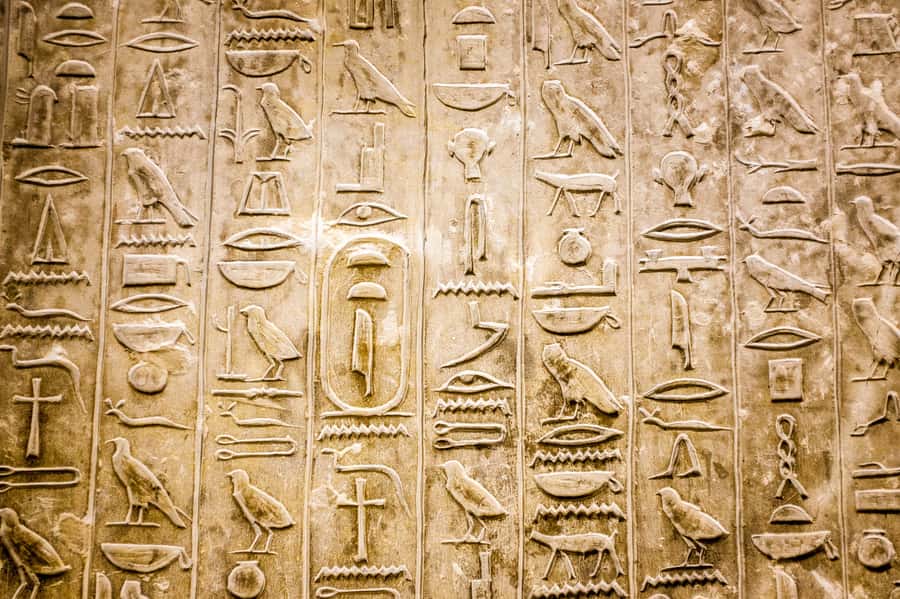
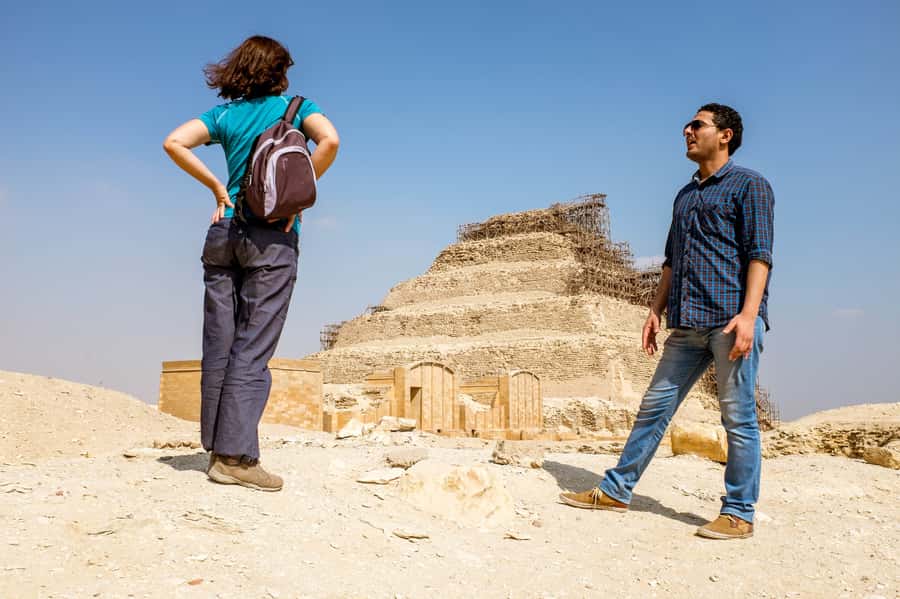
Sakkara is where this tour becomes especially useful for anyone interested in how pyramids evolved. The Step Pyramid of Djoser is generally regarded as the first pyramid, built from stacked stone levels rather than the smooth outer faces later seen at Giza.
Your guide can connect the design at Sakkara with the more familiar pyramids. That comparison is the point of visiting both areas. At Giza, you see the finished form. At Sakkara, you see an earlier and more experimental stage.
The complex includes surrounding tombs and structures that offer clues about ancient Egyptian beliefs, burial customs, and daily life. Painted reliefs can be more revealing than a huge pyramid because they show farming, food preparation, craftwork, and religious scenes.
Sakkara also rewards a slower pace. If you have only a short afternoon Pyramids Only tour, you will not see it. If you choose the Giza, Memphis, and Sakkara combination, ask how much time is planned for tombs and interior areas rather than assuming the guide will spend equal time at every monument.
Several past guides were praised for answering detailed questions about hieroglyphs, pyramid building, and ancient customs. That matters at Sakkara, where the smaller tombs can look modest until someone explains what the scenes mean.
Dahshur: the clearest lesson in pyramid design
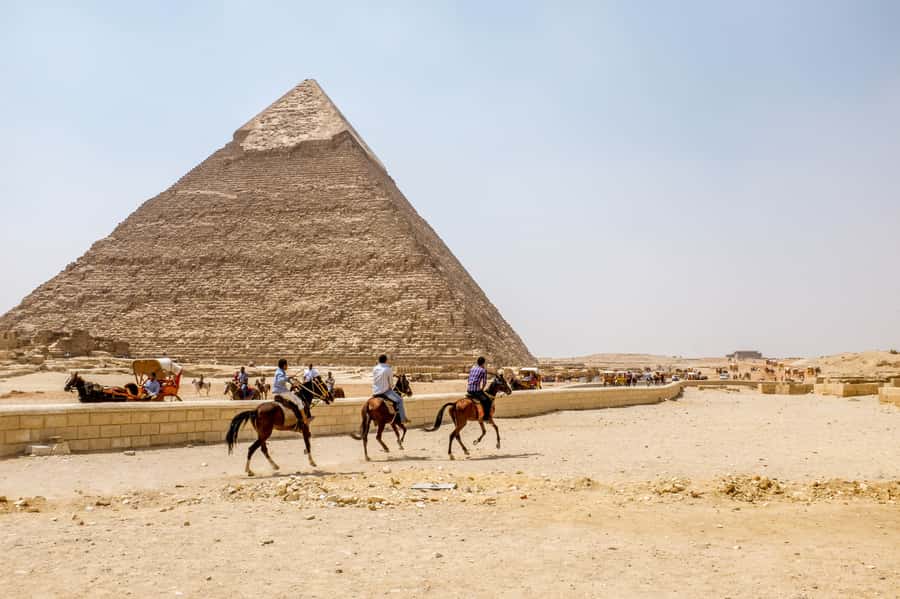
Dahshur is the best addition for people who want more archaeology and fewer famous-photo stops. Its two main attractions are the Bent Pyramid and the Red Pyramid.
The Bent Pyramid changes angle partway up, giving it an unusual profile. It is a visible record of the problems ancient engineers faced while developing the true pyramid form. The Red Pyramid, with its straight sides, represents a later stage in that process and is one of Egypt’s earliest true pyramids.
Adding Dahshur makes the day longer, but it gives the route a clear theme: early experiments at Dahshur, the Step Pyramid at Sakkara, and the monumental achievement at Giza. I would choose this version over extra shopping if ancient architecture is your main interest.
The full four-site itinerary can be tiring. You will spend much of the day in the vehicle, and traffic between Cairo, Giza, Memphis, Sakkara, and Dahshur can change the schedule. The stated duration ranges up to eight hours for a reason.
Shopping stops and optional extras
The included program lists visits to a papyrus gallery, oils factory, bazaar, cotton store, and carpet school upon request. These stops can show you how certain local crafts are made, but they are also sales environments.
Papyrus production can be interesting, especially if you want a quick look at how the material is prepared. Several people found the demonstration worthwhile but felt pressure to buy afterward. If you do not want shopping, say so before the tour begins. The information specifically allows optional shopping stops to be skipped.
The same advice applies to perfume oils, cotton, carpets, and bazaars. You are not required to buy anything, and a private guide should be able to adjust the plan. One past booking went smoothly because the guest clearly told the guide at the start that shops were not wanted.
Private guests can request added Cairo sights such as Ibn Tulun Mosque, Al-Azhar Mosque, the Gayer-Anderson Museum, Muizz Street, the Al-Rifa’i Mosque, the Qalawun Complex, the City of the Dead, Bayt al-Suhaymi, Islamic and Coptic Cairo, and the Cave Church. These extras are best treated as a separate cultural itinerary, not casually added to a day that already includes four pyramid sites.
Transport, guides, and the value of going private
Pickup is offered from Cairo or Giza hotels. You should be ready in the lobby or at the main entrance at least 10 minutes before the confirmed time. The provider sends a photo of the arriving car and a notification, and communication is available through WhatsApp.
If a hotel cannot be reached directly, pickup takes place at the nearest accessible point. Sometimes the guide meets you at the hotel, while in other cases you meet at the first sightseeing site. Check your final email or WhatsApp message so you know which arrangement applies.
The air-conditioned vehicle is more than a comfort feature. Cairo and Giza traffic can be stressful, and several people specifically praised the drivers for safe, calm handling of the roads. A reliable driver also lets you spend your energy on the sites instead of negotiating every transfer.
The private tour is worth considering if you have specific priorities. You can request a language, ask for more time at tombs, skip shops, add lunch, or finish at another agreed location. One private booking ended at the Grand Egyptian Museum after the group asked to be dropped there, showing the practical advantage of discussing your plan in advance.
Shared tours save money but offer less control. They operate in English only, while private tours can be arranged in Italian, Spanish, French, German, English, and other languages as paid additions. Specify the language when booking.
The guides praised most often were friendly, patient, clear, and good at adjusting the pace. Mohamed Saleh was singled out for history, humor, photo help, and careful explanations at Giza. Mou Fouraad was praised for checking that there was enough time at each attraction. Iman received strong marks for German, timing, and taking visitors to less obvious photo spots.
Lunch, the felucca, and what costs extra
Lunch is included only in the VIP private package. On private tours, it can be added separately. It is not included in the shared option unless the booking details say otherwise.
Bottled water is listed as included, but one older booking reported being charged for a bottle by the driver. Check the arrangement at the start and keep your own water handy. Drinks beyond the included bottle are not covered.
The felucca ride on the Nile is included only with the VIP private tour. It offers a quiet finish after a long day among monuments and roads. I see it as a pleasant extra rather than a reason by itself to pay for VIP, unless you also want all four archaeological sites and lunch.
Other extras can include a camel ride, horse ride, professional photographer, an extra 30 minutes, Khan El Khalili Bazaar, and additional historic mosques or museums. Ask for the total price and exact duration before accepting any add-on.
Who should book this tour?
I would recommend it to a first-time visitor with one free day, especially if you want Giza but also want to understand the earlier stages of Egyptian pyramid building. Families can benefit from the private format because the guide can adjust stops and explain difficult subjects in a lively way.
History fans should choose the longest route only if they are comfortable with a full day in the car. If you prefer a slower visit, select Giza, Memphis, and Sakkara, or book Giza alone and give the plateau more time.
I would not choose the shared option if you need a wheelchair or have serious mobility limitations. The tour is not suitable for wheelchair users or people with mobility impairments, and the ancient sites can involve uneven ground.
My verdict: good value with careful planning
Book this tour if you want a practical introduction to Egypt’s early capitals and pyramids, with transport and a guide arranged in advance. The strongest value comes from choosing the sites that match your interests rather than automatically buying every add-on.
For the simplest day, choose Pyramids Only. For the best history lesson, choose Giza, Memphis, and Sakkara. For serious pyramid fans, add Dahshur. Choose private if you want your own pace, a specific language, lunch, or freedom from shopping stops.
The tour works best when you confirm four things before pickup: which sites are included, whether tickets cover the interiors you want, how long any camel ride lasts, and whether shopping stops are part of the plan. Do that, and the day can give you both the famous postcard views and a much better sense of how Egypt’s pyramid tradition developed.
FAQ
How much does the tour cost?
The advertised price starts at $41 per person. The final cost depends on the sites, tour type, tickets, lunch, language, and optional extras you select.
How long does the tour last?
The duration ranges from three to eight hours. Pyramids Only tours are shorter, while the four-site VIP itinerary takes the most time.
Is hotel pickup included?
Yes. Pickup and drop-off are included from hotels in Cairo or Giza. If your hotel cannot be reached directly, you will receive instructions for a nearby accessible meeting point.
Is lunch included?
Lunch is included in the VIP private tour. It is available as an optional add-on for private tours and is not included in the shared tour unless specifically stated.
Is the Nile felucca ride included?
The felucca ride is included only in the VIP private package.
Are the tours available in languages other than English?
Shared tours operate in English only. Private tours can be arranged in Italian, Spanish, French, German, and English, with other languages available as add-ons. You should specify your preferred language when booking.
Can I skip the shopping stops?
Yes. Shopping visits are optional and can be skipped if you ask your guide. The listed stops may include papyrus, oils, cotton, carpets, and a bazaar.
Newly listed around Cairo
- Full Day Trip from Cairo to Luxor★ 5.0 · 16 reviews
- Private guide’s trip to Giza pyramids, Great sphinx valley temple★ 5.0 · 37 reviews
- Private half Day Tour to the Great 3 Pyramids of Egypt★ 5.0 · 15 reviews
- VIP Tour inside Giza Pyramids★ 4.5 · 103 reviews
- Full-Day Private Tour to Giza Pyramids, Sphinx, Memphis & Saqqara★ 5.0 · 106 reviews
- Unique Tour to The Grand Egyptian Museum and 12 main galleries★ 4.0 · 38 reviews
- Elite Boats Tour in Cairo & Giza with Drinks Included★ 4.5 · 15 reviews
- Sunset & Night Open Air Nile Cruise in Cairo & Giza★ 5.0 · 158 reviews
Giza Pyramids Tours, compared.
Pyramids & Great Sphinx Private Tour with Camel Ride
Read our review →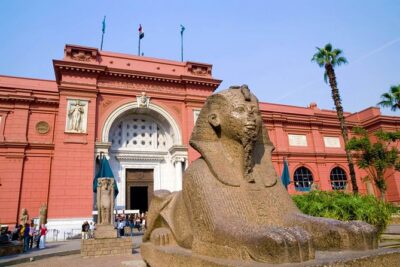
Tour to Giza Pyramids and The Egyptian Museum
Read our review →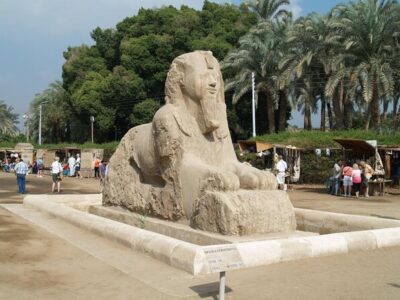
VIP All inclusive Best of the best Giza Pyramids,Sakkara,Memphis
Read our review →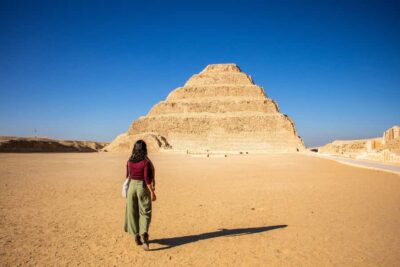
Pyramids of Giza, Sphinx, Saqqara & Memphis Tour
Read our review →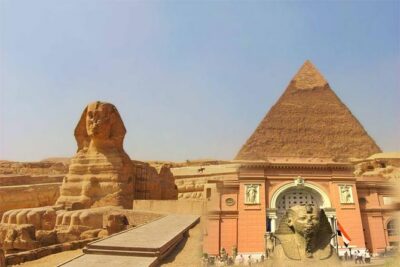
Cairo 8 Hour Private Tour of Pyramids, Egyptian Museum and Bazaar
Read our review →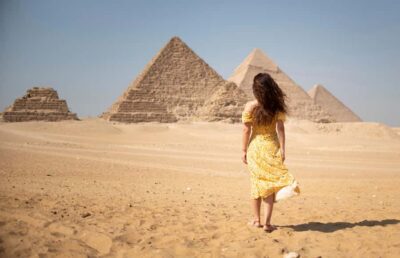
Half-Day Tour to Pyramids of Giza and the Sphinx
Read our review →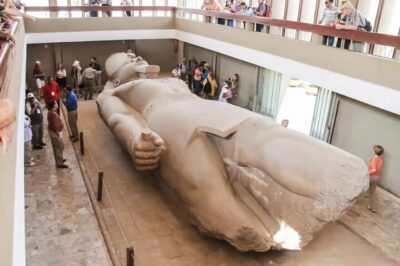
Private ViP all-inclusive Giza Pyramids,Sphinx,Inside Pyramid
Read our review →Browse the lists this tour appears in