
Reviewed · GIZA PYRAMIDS TOURS
Day Tour To Dahshur Pyramids Memphis & Sakkara
Ancient Egypt gets more interesting away from Giza. This private Cairo tour takes you to Saqqara’s Step Pyramid, the underground chambers of Teti and Unas, the Bent and Red Pyramids at Dahshur, and old Memphis, all with hotel pickup and a private air-conditioned car. I like the excellent range of ancient sites and the freedom of traveling with only your own group. I also like that lunch, bottled water, and a guide are included. The main catch is that entry fees are not fully covered, and the added shopping stops can take time from the archaeology.
The tour costs about $40 per person and lasts roughly five hours. That is strong value if your group wants a private car and a guide without spending a full day on the road. Guide quality can vary, though. Guides such as Mohammed, Habiba, and Jassy have been praised for clear explanations and warm service, while some visitors found the English difficult to follow or received little historical guidance.
In This Review
- Key points to know before booking
- Why Saqqara is the heart of the day
- Inside the Pyramid of Teti
- The Pyramid of Unas and Egypt’s earliest pyramid texts
- The Mastaba of Ti shows ordinary life
- Dahshur’s Bent and Red Pyramids
- Memphis and the colossal Ramses statue
- The private car and guide make the schedule easier
- Koshari, water, and the shopping stops
- Is $40 per person good value?
- Who should book this Cairo excursion?
- Final verdict: a strong route with a few conditions
- FAQ
- How long does the tour last?
- Is hotel pickup included?
- Is this a private tour?
- Is lunch included?
- Are pyramid entrance fees included?
- Can I cancel for a full refund?
Key points to know before booking
- Saqqara gives you the pyramid story in one place: You can trace the change from the flat mastaba tomb to the Step Pyramid and later smooth-sided pyramids.
- Dahshur feels different from Giza: The Bent Pyramid and Red Pyramid offer a quieter look at early pyramid design, with fewer crowds and a more open desert setting.
- The private format is genuinely flexible: Only your group takes part, so you can ask questions, stop for photos, and spend more time at a site if the schedule allows.
- Lunch is simple Egyptian comfort food: A local restaurant meal of koshari is included, a useful break during a busy morning.
- Shopping stops are built into the day: Expect about 20 minutes at places selling perfume oils, Egyptian cotton, papyrus, and handmade carpets.
- Check entry costs before you go: Basic area access is included in the advertised arrangements, but several tomb and pyramid interiors require extra payment.
Why Saqqara is the heart of the day
Your first major stop is Saqqara, about 27 kilometers southwest of Cairo. This huge ancient burial ground is where Egypt’s pyramid design took its most important early step.
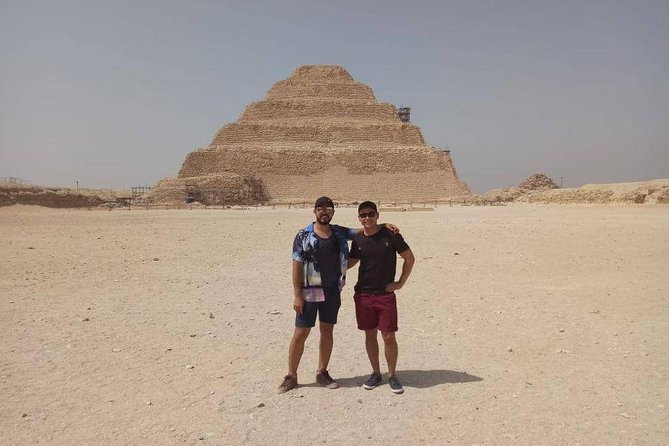
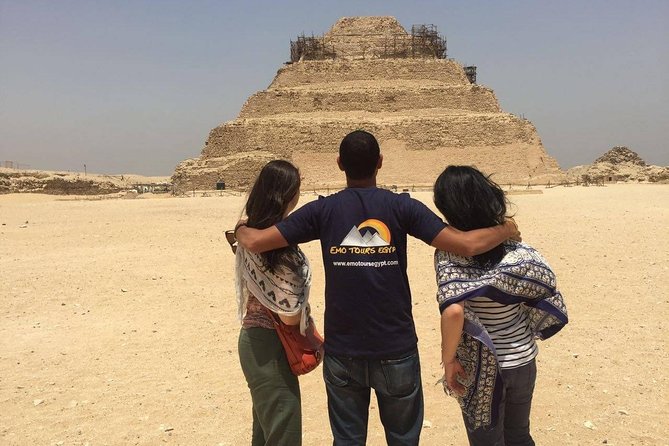
The Step Pyramid was built for King Djoser, also written Zoser. It was created by stacking mastaba-style levels into a tall, stepped structure. That simple idea changed royal tomb building forever. At Giza, you see the finished form of the pyramid. At Saqqara, you can see the experiment that helped lead there.
You usually get around 30 minutes at the Step Pyramid area. That is enough for an introduction and photographs, but not enough for a slow archaeological visit. I would use your time to look closely at the shape of the monument, then ask your guide to explain how a mastaba differs from a true pyramid. A good guide can turn what looks like a pile of stone terraces into a clear chapter in Egyptian architecture.
Saqqara rewards visitors who care about details. The site is not just one pyramid with a famous name. It includes tombs, temples, later burial monuments, and remains from several periods. The tour focuses on a few important structures, so you get a useful overview without wandering aimlessly across the entire area.
More Saqqara, Memphis and Dahshur days:
- VIP All inclusive Best of the best Giza Pyramids,Sakkara,Memphis
★ 5.0 · 3,164 reviews - From Cairo: Pyramids of Giza, Sphinx, Saqqara & Memphis Tour
★ 4.7 · 3,110 reviews - Cairo: Pyramids, Sakkara & Memphis Tour with Lunch
★ 4.6 · 2,493 reviews
Inside the Pyramid of Teti
The Pyramid of Teti was built as the burial place of Pharaoh Teti, the first king of Egypt’s Sixth Dynasty. The outside is not as complete or imposing as the Great Pyramid, but the interior gives this stop its interest.
The route into an Egyptian pyramid can involve low passages and awkward footing. If you choose to enter, expect a confined space rather than a grand chamber filled with displays. The reward is a closer look at the burial architecture and the remains of the ancient decoration.
Entry to the Pyramid of Teti is not included in the basic area access. That matters because the advertised $40 price does not tell the whole cost of the day. Ask your guide which optional entries are planned and how much they cost before paying at the site.
The scheduled visit is about 30 minutes. That is a sensible amount of time for one interior, but you may feel hurried if you want to study every detail. I would save your energy for the sites that interest you most and avoid agreeing to every optional entry simply because you are already there.
The Pyramid of Unas and Egypt’s earliest pyramid texts
The Pyramid of Unas is smaller than the great pyramids, but its importance is not measured by size. Unas was the last king of Egypt’s Fifth Dynasty, and his pyramid is famous for the Pyramid Texts carved inside its underground rooms.
These inscriptions are among the oldest known religious texts written inside a pyramid. They contain spells intended to help the king in the afterlife. Later funerary traditions developed from this practice, including texts written on coffins and the material that eventually shaped the Book of the Dead.
This is one of the places where a qualified Egyptologist can make a major difference. A guide who can read or explain the hieroglyphs gives you more than a photo opportunity. Mohammed has been praised for explaining inscriptions and answering questions in a way that is easy to follow. With a strong guide, the dark interior becomes a lesson in how ancient Egyptians imagined death and rebirth.
The pyramid is also physically demanding. The passageways can be cramped, and the climb or walk inside may be uncomfortable for some people. You do not need to enter every structure to enjoy the tour, but ask about the route and extra cost before deciding.
The Mastaba of Ti shows ordinary life
The Mastaba of Ti is one of Saqqara’s most useful stops because its walls show scenes from daily life. Ti was an important official, and his tomb includes two serdabs, enclosed rooms that held statues associated with the deceased.
The carved scenes offer a break from royal monuments. You can look for images of farming, food production, crafts, animals, and other work. These details help you picture the practical world behind the pharaohs, rather than seeing ancient Egypt only through kings and pyramids.
The visit is listed at about 30 minutes, with entry not included in the basic price. A guide is especially helpful here because the reliefs may look decorative at first glance. Ask what the figures are doing and why such scenes were placed in a tomb.
The Mastaba of Ti is also a reminder that Saqqara works best as a guided site. Without explanation, you could easily spend the morning admiring stones without understanding what makes each monument different.
More ways to see the Pyramids and the Sphinx:
- Cairo: Pyramids & Great Sphinx Private Tour with Camel Ride
★ 4.9 · 6,335 reviews - Tour to Giza Pyramids and The Egyptian Museum
★ 5.0 · 6,016 reviews - Cairo 8 Hour Private Tour of Pyramids, Egyptian Museum and Bazaar
★ 5.0 · 2,931 reviews - From Cairo: Half-Day Tour to Pyramids of Giza and the Sphinx
★ 4.6 · 2,891 reviews
Dahshur’s Bent and Red Pyramids
After Saqqara, the tour heads south to Dahshur, a royal burial area roughly 40 kilometers south of Cairo. This is where the day shifts from tomb interiors and reliefs to big desert monuments.
The Bent Pyramid is one of Egypt’s most recognizable early pyramids. Its lower section rises at a steep angle, then changes direction partway up. The altered profile is not a modern design choice. It reflects the problems ancient builders faced while trying to create a tall, smooth-sided pyramid.
The Red Pyramid is generally regarded as the first successful true smooth-sided pyramid in Egypt. It is also among the oldest, largest, and best-preserved pyramids in the country. Together, the two monuments show a work in progress: one pyramid reveals a change in angle, while the other shows a more successful final form.
You get about an hour in the Dahshur area. That is likely to be one of the most enjoyable parts of the day because the monuments offer a different experience from Giza. The setting is more open, and the site is not defined by Cairo’s dense urban edge.
If you want to enter a pyramid, Dahshur may be the place to ask about it. The interior can be hot and physically awkward, with steep or low passages. One useful tip is to wear shoes with a firm grip and bring water, although bottled water is supplied.
Memphis and the colossal Ramses statue
The final major historical stop is Memphis, the ancient capital traditionally dated to around 3100 BC. Today, the surviving remains are scattered rather than presented as one complete city, so your expectations should be realistic.
The highlight is the colossal statue of Ramses II. You will also see the large Alabaster Sphinx. These pieces give a sense of the authority and scale associated with Egypt’s early capital.
Memphis is a shorter, more compact stop than Saqqara or Dahshur. The scheduled visit is about an hour, though that period also includes the return journey toward your hotel. The visit works well at the end of the route because it gives you a final look at royal power after a morning focused on pyramid development and tomb decoration.
Your guide can help connect the sites. Saqqara shows the evolution of royal burial buildings. Dahshur shows the engineering challenges of pyramid construction. Memphis places those monuments within the political center of ancient Egypt.
The private car and guide make the schedule easier
Pickup and drop-off are offered from hotels in Cairo or Giza. Transfers take place in a private, modern air-conditioned vehicle, which is valuable in Egypt’s heat and traffic. You avoid organizing separate taxis between widely spaced archaeological sites.
The private format is also useful for questions. You are not waiting for a large group to gather at every monument, and the guide can adjust the pace within reason. Some people enjoy that personal attention. Others find a private tour puts more pressure on them to tip or maintain conversation throughout the day.
Guide quality is the most important variable. Jassy has been praised for her energy, good humor, historical explanations, and willingness to take photographs. Habiba has been described as organized and well prepared. Mohammed has received especially strong praise for explaining Egyptian history and culture in an approachable way.
But you should not assume every assigned guide will offer the same level of English or historical detail. Some experiences included a guide who read explanations from a phone, while another lacked enough English to guide the visits properly. If your booking confirmation provides a guide name, it is sensible to confirm that the person is an Egyptologist and ask what language the tour will be conducted in.
Punctuality also deserves attention. One poor experience involved a guide arriving nearly an hour late after getting lost near the hotel. This appears to be an exception rather than the normal pattern, but I would keep your phone available at pickup time and ask your hotel reception to help contact the operator if nobody arrives.
Koshari, water, and the shopping stops
Lunch at a local restaurant is included, with koshari as the listed meal. This Egyptian dish combines rice, pasta, lentils, chickpeas, tomato sauce, and fried onions. It is filling, inexpensive, and a good match for a busy sightseeing day.
Bottled water is also included. Still, bring extra if you drink a lot in hot weather. You will spend time outdoors, and the pyramid interiors can feel close and warm.
The tour includes several 20-minute stops that are not archaeological sites:
- Paradise Perfumes Palace, for natural oils
- Flower Cotton, for Egyptian cotton
- Key of Life Papyrus, for papyrus making and artwork
- A handmade carpet school, where rugs are woven
These stops can be useful if you want souvenirs and prefer an organized place to see how products are made. The carpet school may also offer a look at local craft skills.
The drawback is simple: every shopping stop reduces time at the monuments. Some people enjoy browsing and buying. Others feel these visits are sales pitches added to an already full schedule. You should decide before departure how interested you are. A polite but firm answer is useful if you do not want to purchase anything.
Personal items and tipping are not included. Carry small notes for gratuities and keep your spending separate from the tour price.
Is $40 per person good value?
At $40 per person, this is a low-cost private tour for a route that covers a lot of ground. You receive hotel transfers, a private vehicle, a guide, lunch, and water. If two or more people share the booking, the cost becomes especially attractive because you are not paying for separate transportation between Cairo, Saqqara, Dahshur, and Memphis.
The price needs one qualification: some admission fees are extra. Basic area access is included, but the Pyramid of Teti, Pyramid of Unas, and other interior visits may require additional payment. Confirm the exact entries before setting out.
The tour is also priced for speed. Five hours is enough for a strong overview, not a scholarly examination of every tomb. If you want long museum-style stops, extensive photography time, or several pyramid interiors, you may find the schedule tight.
The overall rating of 4.8 from 105 ratings and a 94 percent recommendation rate suggest that the experience usually delivers good value. The praise centers on guides who explain clearly, drivers who handle the roads well, good organization, and the chance to see a side of Egypt beyond Giza.
Who should book this Cairo excursion?
I would recommend it to first-time visitors who have already seen, or plan to see, the Giza Pyramids and want a broader picture of ancient Egypt. Dahshur and Saqqara are not substitutes for Giza. They are useful companions because they show how pyramid building developed.
It also suits you if you value a private car, hotel pickup, and a flexible guide more than a long, leisurely visit at one site. Families and small groups may appreciate not having to manage Cairo transport on their own.
I would be more cautious if you dislike shopping stops, want guaranteed expert-level commentary, or have limited mobility inside cramped pyramid passages. Ask about the guide’s language skills, optional entry fees, and the shopping schedule before confirming.
Free cancellation is available if you cancel at least 24 hours before the start time. Changes or cancellations made later are not accepted for a refund.
Final verdict: a strong route with a few conditions
You should book this tour if you want to see Saqqara, Dahshur, and Memphis efficiently, with private transport and lunch included. The best guides turn the day into a clear story about engineering, kingship, religion, and ordinary work. The strongest sites are the Step Pyramid, the Pyramid Texts inside Unas, and the Bent and Red Pyramids.
I would confirm three things first: who your guide will be, which entrance fees are extra, and how much time is reserved for shopping. With those details clear, the $40 price offers an unusually useful introduction to the monuments south of Cairo. Without them, the day could feel rushed or more commercial than expected.
FAQ
How long does the tour last?
The experience lasts approximately five hours.
Is hotel pickup included?
Yes. Pickup and drop-off are provided from hotels in Cairo or Giza.
Is this a private tour?
Yes. Only your group participates in the activity.
Is lunch included?
Yes. Lunch at a local restaurant is included, with koshari listed as the meal.
Are pyramid entrance fees included?
Basic area access is included, but entry to places such as the Pyramid of Teti and Pyramid of Unas is not included. Confirm the current optional entry fees before visiting.
Can I cancel for a full refund?
Yes, if you cancel at least 24 hours before the experience start time. Cancellations or changes made less than 24 hours in advance are not accepted for a refund.
Newly listed around Cairo
- Full Day Trip from Cairo to Luxor★ 5.0 · 16 reviews
- Private half Day Tour to the Great 3 Pyramids of Egypt★ 5.0 · 15 reviews
- VIP Tour inside Giza Pyramids★ 4.5 · 103 reviews
- Private guide’s trip to Giza pyramids, Great sphinx valley temple★ 5.0 · 37 reviews
- Full-Day Private Tour to Giza Pyramids, Sphinx, Memphis & Saqqara★ 5.0 · 106 reviews
- Unique Tour to The Grand Egyptian Museum and 12 main galleries★ 4.0 · 38 reviews
- Elite Boats Tour in Cairo & Giza with Drinks Included★ 4.5 · 15 reviews
- Sunset & Night Open Air Nile Cruise in Cairo & Giza★ 5.0 · 158 reviews
Giza Pyramids Tours, compared.
Pyramids & Great Sphinx Private Tour with Camel Ride
Read our review →
Tour to Giza Pyramids and The Egyptian Museum
Read our review →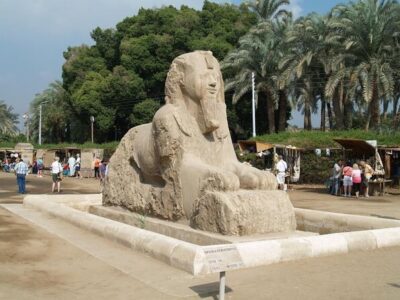
VIP All inclusive Best of the best Giza Pyramids,Sakkara,Memphis
Read our review →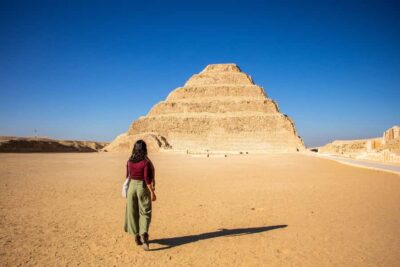
Pyramids of Giza, Sphinx, Saqqara & Memphis Tour
Read our review →
Cairo 8 Hour Private Tour of Pyramids, Egyptian Museum and Bazaar
Read our review →
Half-Day Tour to Pyramids of Giza and the Sphinx
Read our review →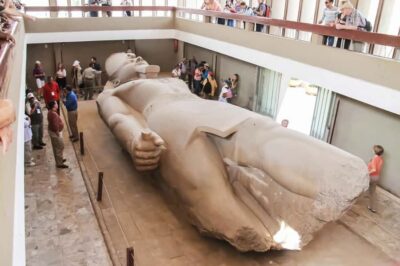
Private ViP all-inclusive Giza Pyramids,Sphinx,Inside Pyramid
Read our review →Browse the lists this tour appears in