Reviewed · TOURS
Cairo Half Day Tours visit Islamic Cairo & ancient mosques
Cairo’s minarets tell the city’s story. This private half-day tour brings you from the Citadel and Muhammad Ali Mosque to Al-Rifa’i, Al-Azhar, Sultan Hassan or Al-Hussein Mosque, and Khan Khalili with a guide who can explain the details that are easy to miss. I especially like the hotel pickup and drop-off, which saves you from negotiating Cairo traffic, and the chance to see several major monuments in one compact outing. The bazaar stop also gives the tour a lively finish, with room to practice your haggling.
The best guides turn a string of grand buildings into a clear story about faith, power, architecture, and daily life. Guides such as Pierre, Mirna, Deena, Essam, Sam, Reina, Tito, and Muhsin have been praised for strong explanations and thoughtful service. The main caution is guide quality: one very poor experience involved missed mosques, little commentary, and an early finish, so the private format is only as good as the person assigned to your group.
In This Review
- Five things to know before you go
- Why this half-day Cairo tour works well
- Starting at Salah El-Din Citadel
- Comparing Al-Rifa’i and Sultan Hassan
- Al-Azhar Mosque and the beginnings of Cairo
- The sacred setting of Al-Hussein Mosque
- Bargaining at Khan Khalili
- The guide makes or breaks the day
- Transport, timing, and family needs
- Who should book this tour?
- Should you book it?
- FAQ
- How long does the Islamic Cairo tour last?
- What sites are included?
- Is hotel pickup included?
- Is this a private tour?
- Are entrance fees included?
- Is lunch included?
- Can I cancel for a full refund?
Five things to know before you go
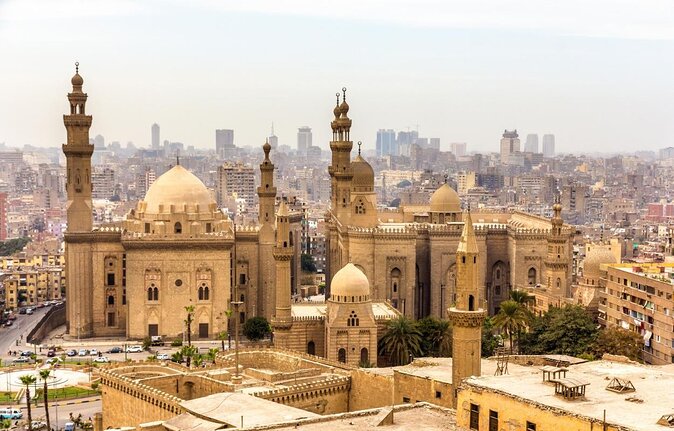
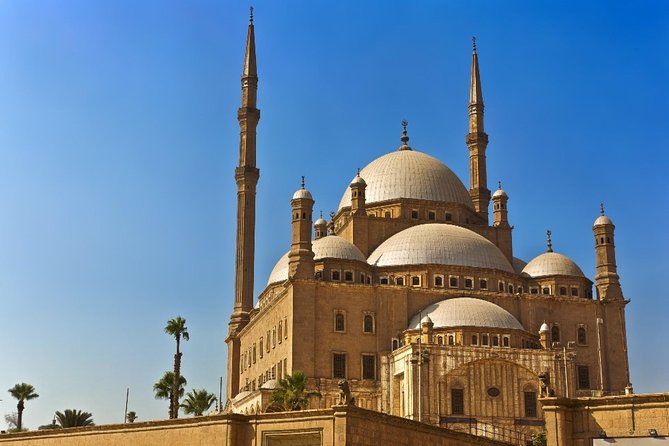
- The Citadel opens the tour with Cairo views and the Alabaster Mosque, also known as the Mosque of Muhammad Ali.
- Al-Rifa’i and Sultan Hassan sit opposite each other, making this one of the most rewarding architectural pairings in Islamic Cairo.
- Al-Azhar Mosque dates to 970, when the Fatimid caliphate founded Cairo’s first mosque.
- Khan Khalili is a shopping stop, not just a walk-through, so decide in advance how much time and bargaining energy you want to spend.
- This is a private tour for your group, with an approximate duration of three to five hours and round-trip hotel transfers.
- Friday can be very crowded, especially around prayer time, while modest clothing and a headscarf may be needed inside the mosques.
Why this half-day Cairo tour works well
At $45 per person, the tour offers good value if you want a guided introduction to Islamic Cairo without spending a full day on it. The price includes a guide, hotel transport, bottled water, and entrance fees according to the option selected. Lunch at a local restaurant, often featuring koshari, is optional and costs extra.
The private format matters. You are not tied to a large coach group or a fixed commentary pace. Guides have adjusted the schedule for shorter time windows, and one guide completed a version from 8:30 a.m. to about 12:20 p.m. That makes this a useful choice if you have only part of a day in Cairo.
The route covers a lot of ground, but that is also its weakness. Three to five hours is enough for an introduction, not a slow study of every mosque. You will see the main spaces, hear the major stories, and take photographs, but you may want a second visit if architecture is your main interest.
The tour is currently rated 4.8 out of 5 from 51 ratings, with 94 percent recommending it. Those figures suggest a strong overall experience, but the wide difference between excellent and very poor guide reports is worth taking seriously. Ask for a guide with strong English and a clear interest in Islamic architecture when you book.
A few more Cairo outings to price up
- Cairo: Pyramids & Great Sphinx Private Tour with Camel Ride
★ 4.9 · 6,335 reviews - Tour to Giza Pyramids and The Egyptian Museum
★ 5.0 · 6,016 reviews - VIP All inclusive Best of the best Giza Pyramids,Sakkara,Memphis
★ 5.0 · 3,164 reviews
Starting at Salah El-Din Citadel
The day begins with hotel pickup, listed for 10:00 a.m., followed by a drive to the Citadel of Salah El-Din. The Citadel is more than a viewpoint or a military relic. It helps you understand how Cairo’s rulers watched over the city and how later leaders used this powerful hilltop setting to express authority.
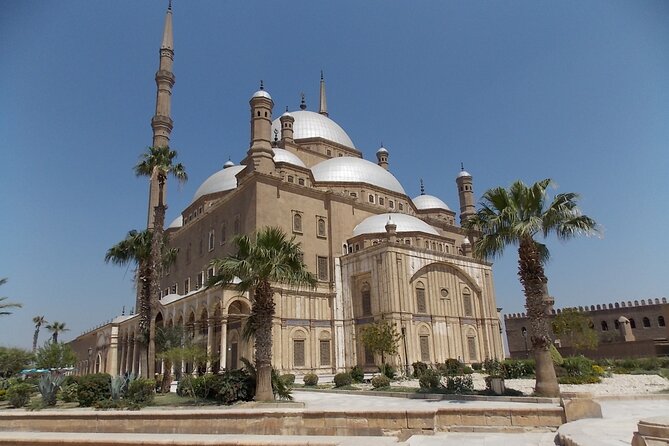
The main visit here is the Mosque of Muhammad Ali, usually called the Alabaster Mosque. Its outer walls are covered with alabaster stone, giving the building a pale, polished appearance that is easy to recognize. Inside, the large dome, smaller domes, and high Ottoman-style space create a sharp change from the noisy streets below.
This is one place where a guide adds real value. A good explanation can connect the mosque’s design to Muhammad Ali’s rule and explain why the building feels different from older Egyptian mosques. Pierre was praised for explaining customs, culture, and the background of the Citadel in a way that made the visit easier to understand.
Plan on about an hour here. That sounds generous, but the Citadel is often the most spacious stop, and you will need time for photos, shoe arrangements, and moving through the mosque. Modest clothing is essential. Mirna checked that her group had suitable clothing and headscarves before leaving the hotel, a practical service that can prevent an awkward start.
Comparing Al-Rifa’i and Sultan Hassan
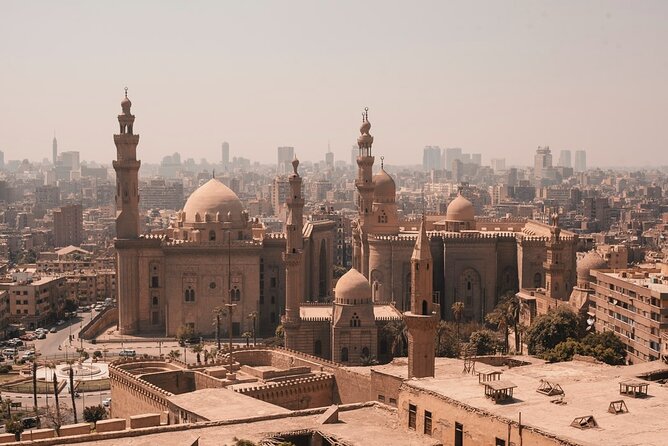
From the Citadel, the route continues to Al-Rifa’i Mosque. This building sits opposite the Mosque-Madrasa of Sultan Hassan, and seeing both together is one of the strongest parts of the tour. Their relationship is architectural and political: Al-Rifa’i was built in the 19th century as a companion to the much older Sultan Hassan complex, linking modern rulers with Cairo’s earlier Islamic past.
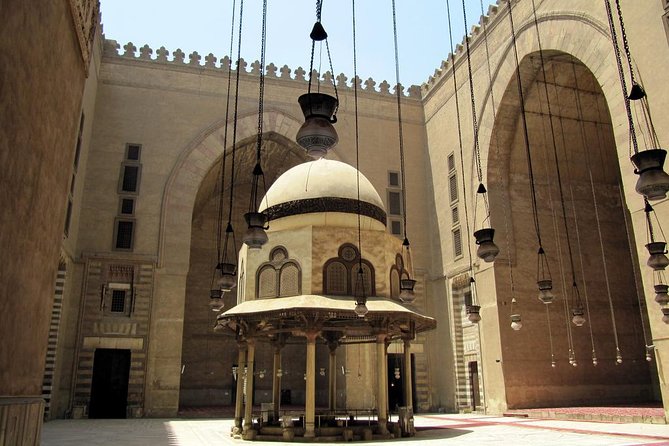
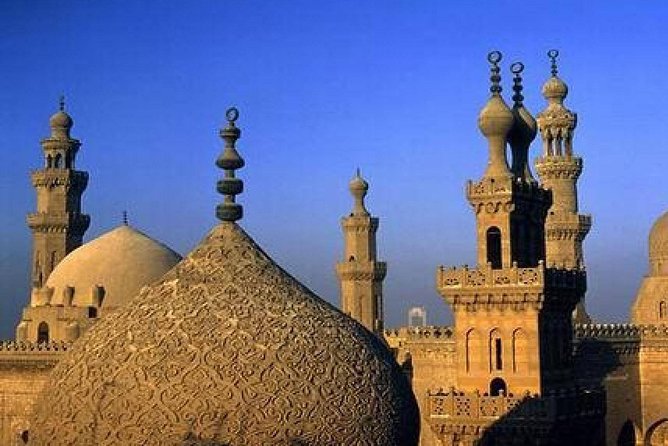
Al-Rifa’i is known for its grand scale and ornate interior. It also serves as a royal mausoleum, adding another layer to the visit. Across the street, Sultan Hassan presents a more monumental medieval presence, with the kind of broad walls and towering proportions that show how religious schools and mosques once shaped the city.
Allow about an hour for this section. The guide’s role is especially important because the two buildings can blur together if you only collect photographs. Ask your guide to point out the differences in age, purpose, decoration, and layout. Khaled was praised for making the journey memorable, while Tito was noted for covering all the scheduled sites at a comfortable pace and checking what interested his group.
There is one detail you should clarify before booking. The published route describes a visit to Sultan Hassan, but another itinerary note names Al-Hussein Mosque at this point. Al-Hussein is associated with the believed burial place of the head of the Prophet Muhammad’s grandson, while Sultan Hassan is the major mosque-madrasa opposite Al-Rifa’i. Confirm which sites your chosen tour option includes so you are not expecting one and receiving the other.
Al-Azhar Mosque and the beginnings of Cairo

The drive to Al-Azhar Mosque shifts the focus from royal monuments to the origins of Islamic Cairo. The Fatimid caliphate commissioned the mosque in 970 for its newly established capital. Its name is generally linked to Fatimah, the daughter of the Prophet Muhammad, whose title az-Zahra means shining or resplendent.
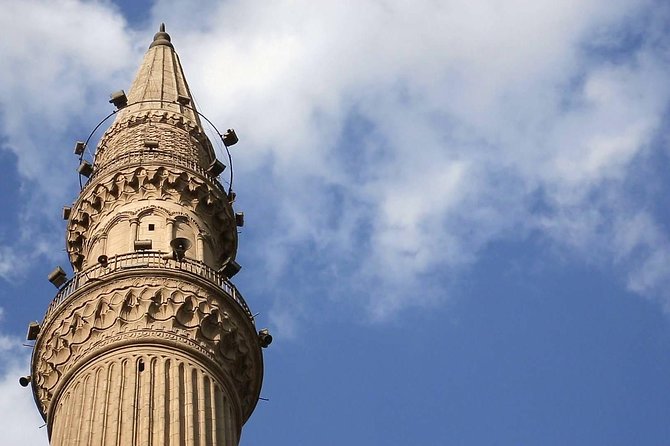
Al-Azhar is important because it was the first mosque established in Cairo. The city later became known as the City of 1,000 Minarets, but this was the starting point for that long religious and architectural story.
The visit lasts about 30 minutes, so expect a focused stop rather than a full architectural study. A strong guide should explain why Al-Azhar matters and how its role differs from the royal mosques at the Citadel. Essam was praised for setting the scene before each stop, then repeating the key points so the information stayed clear. He also answered detailed questions about Islamic beliefs and culture, which can make this brief visit far more useful.
As with the other mosques, dress respectfully and follow instructions about shoes and head coverings. Your guide may help with the practical details, but you should still arrive prepared with clothing that covers shoulders and knees.
Same base, a completely different sort of day:
- From Cairo: Pyramids of Giza, Sphinx, Saqqara & Memphis Tour
★ 4.7 · 3,110 reviews - Cairo 8 Hour Private Tour of Pyramids, Egyptian Museum and Bazaar
★ 5.0 · 2,931 reviews - From Cairo: Half-Day Tour to Pyramids of Giza and the Sphinx
★ 4.6 · 2,891 reviews - Cairo: Pyramids, Sakkara & Memphis Tour with Lunch
★ 4.6 · 2,493 reviews
The sacred setting of Al-Hussein Mosque
The route information gives about 30 minutes to Al-Hussein Mosque, a site held to be the burial place of the head of the Prophet Muhammad’s grandson. That belief gives the mosque a special religious importance, and it also helps explain why the surrounding district can feel more intense than a quiet monument visit.
The short stop is best approached with respect. This is not simply a building to enter, photograph, and leave. Your guide can explain the religious meaning, customs, and reasons people come here, while you observe quietly and avoid treating active worship as a performance.
Friday requires special care. One group visited on a Friday and encountered thousands of people, including many children, because it was the main prayer day. That made the visit more local and immediate, but crowds may be uncomfortable if you prefer calm interiors and easy movement. If you have a choice, ask about a weekday departure.
The route can move quickly here, particularly if prayer activity affects access. That is another reason to confirm the exact mosque schedule and included stops before you depart.
Bargaining at Khan Khalili
The final major stop is Khan Khalili Bazaar, where shops sell brassware, copper goods, perfumes, leather, silver, gold, antiques, and other souvenirs. It is a fitting end to a mosque tour because it brings you from monumental religious buildings into the commercial life of old Cairo.
You should treat the bazaar as a place to browse first and buy second. Compare prices, ask questions, and bargain politely. The tour specifically highlights haggling, so you are expected to take part rather than simply follow the guide through the lanes.
A guide can be useful here, especially if you have a particular purchase in mind. Reina helped a couple find specific masks, while other guides assisted with photos and directed groups through the market. At the same time, keep control of your own shopping decisions. One bad tour experience involved a guide dismissing the bazaar and pushing alternative stops, which is not what you are paying for.
The planned visit lasts about an hour. That is enough to get a feel for the market and make a few purchases, but not enough for an extensive shopping expedition. If you want serious time for textiles, jewelry, or antiques, ask whether the bazaar portion can be extended at the expense of another stop.
The guide makes or breaks the day
This tour has received especially strong praise for its guides. The most valued traits are clear English, enthusiasm for Egyptian history, flexibility, and the ability to explain Islamic customs without turning the visit into a dry lecture.
Several guide names appear in the feedback, including Deena, Hebe, Ahmed Khattab, Essam, Tito, Sam, Reina, Khaled, Sayed Muhmoud, and Muhsin. Deena was praised for her passion and flexibility. Sam adjusted the timing for a group with a short schedule. Muhsin impressed with deep subject knowledge and good English. Ahmed Khattab gave detailed explanations that attracted the attention of people nearby, and Essam helped with Arabic practice, snacks, photos, local tea, and the practical task of getting a group safely into an Uber after the tour.
These are the kinds of small actions that improve a city tour. You are not only buying transport between buildings. You are buying context, patience, and help with the social rules of places that may be unfamiliar.
But do not assume every assigned guide will offer this level of care. One serious complaint described a three-hour experience in place of a planned six hours, only two mosques visited, limited explanation, and repeated phone use. The same account described pressure for a tip. That is far below the standard you should expect.
Tipping is not included, and personal purchases are also your responsibility. A guide should not pressure you, but you may wish to budget a tip for genuinely strong service.
Transport, timing, and family needs
Door-to-door transfers are one of the tour’s clearest advantages. Cairo traffic can make independent sightseeing tiring, and the driver handles the movement between the Citadel, the mosque district, and Khan Khalili. Mena was praised for making the drive through Cairo smooth and comfortable.
The listed duration is approximately three to five hours, although actual timing can change with traffic, prayer activity, shopping time, and your group’s pace. Private tours can also be adjusted. One guide shortened the schedule for a group that needed to return earlier, while another helped parents managing a toddler and baby.
Most people can participate, and the tour is near public transportation, though the included pickup makes that less important. Families should remember that several mosques and the Citadel involve walking and cultural rules. A child may do fine, but the schedule is active and the buildings are not designed around young children’s routines.
Bottled water is included. Lunch is optional and may be arranged at a local restaurant, with koshari listed as the example. If you want lunch, select that option or confirm it ahead of time rather than assuming it is part of the $45 price.
Who should book this tour?
I would choose this tour if you want a compact first look at Islamic Cairo, prefer private transport, and value explanation over wandering alone. It is particularly useful for a first Cairo visit, a short stay, or a free morning between larger sightseeing plans.
It suits visitors who want major landmarks in one outing: the Citadel, Muhammad Ali Mosque, Al-Rifa’i, Al-Azhar, another important mosque, and Khan Khalili. It also works well for families and small groups because the timing can be more flexible than a large group excursion.
I would be cautious if you want long, quiet visits at each monument or have a strong interest in architectural detail. The route is ambitious for half a day. I would also confirm the exact mosque stops, lunch arrangements, and guide language before paying, especially because the route notes name both Sultan Hassan and Al-Hussein at one point.
Free cancellation is available up to 24 hours before the start time. Cancellations or changes made less than 24 hours ahead are not accepted for a refund.
Should you book it?
Yes, if you want efficient sightseeing with a private guide and hotel transport. The $45 price is fair for the number of major sites covered, particularly when entrance fees are included in the selected option and you avoid arranging Cairo transport yourself.
Book it with two requests: ask for a strong English-speaking guide familiar with Islamic architecture, and confirm the exact mosque lineup. Pick a weekday if crowds bother you, dress modestly, and leave some room in your wallet for the bazaar.
The tour’s best version is memorable, thoughtful, and full of useful local context. Its weak version is rushed and poorly explained. With the right guide, this is a very good introduction to the Cairo behind the pyramids.
FAQ
How long does the Islamic Cairo tour last?
The tour lasts approximately three to five hours. The listed start time is 10:00 a.m., but some departures have been adjusted for shorter schedules.
What sites are included?
The route includes the Citadel of Salah El-Din, the Mosque of Muhammad Ali, Al-Rifa’i Mosque, Al-Azhar Mosque, a further major mosque listed as either Sultan Hassan or Al-Hussein in the route details, and Khan Khalili Bazaar.
Is hotel pickup included?
Yes. Hotel pickup and drop-off in Cairo are included.
Is this a private tour?
Yes. Only your group participates in the private tour or activity.
Are entrance fees included?
Entrance fees are included according to the tour option selected. Confirm the exact option at booking because the additional information says fees can depend on the chosen option.
Is lunch included?
No. Lunch at a local restaurant, including koshari as an optional choice, is not included in the standard inclusions.
Can I cancel for a full refund?
Yes. You can cancel at least 24 hours before the experience start time for a full refund. Cancellations and changes made less than 24 hours before the start time are not accepted for a refund.
Newly listed around Cairo
- Full Day Trip from Cairo to Luxor★ 5.0 · 16 reviews
- Private guide’s trip to Giza pyramids, Great sphinx valley temple★ 5.0 · 37 reviews
- Private half Day Tour to the Great 3 Pyramids of Egypt★ 5.0 · 15 reviews
- VIP Tour inside Giza Pyramids★ 4.5 · 103 reviews
- Full-Day Private Tour to Giza Pyramids, Sphinx, Memphis & Saqqara★ 5.0 · 106 reviews
- Unique Tour to The Grand Egyptian Museum and 12 main galleries★ 4.0 · 38 reviews
- Elite Boats Tour in Cairo & Giza with Drinks Included★ 4.5 · 15 reviews
- Sunset & Night Open Air Nile Cruise in Cairo & Giza★ 5.0 · 158 reviews
Tours, compared.
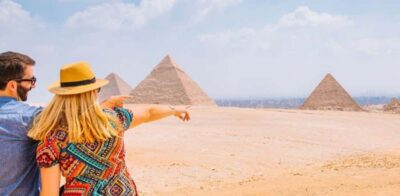
Pyramids & Great Sphinx Private Tour with Camel Ride
Read our review →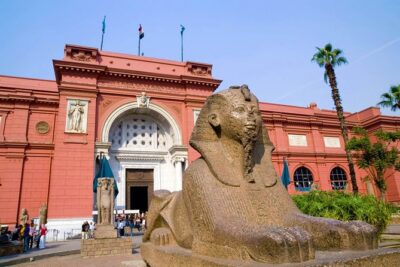
Tour to Giza Pyramids and The Egyptian Museum
Read our review →
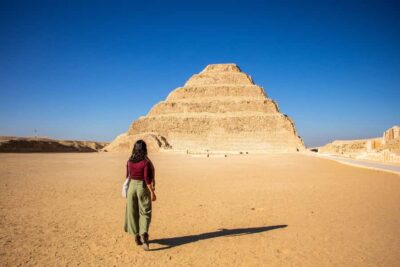
Pyramids of Giza, Sphinx, Saqqara & Memphis Tour
Read our review →
Cairo 8 Hour Private Tour of Pyramids, Egyptian Museum and Bazaar
Read our review →
Half-Day Tour to Pyramids of Giza and the Sphinx
Read our review →