
Reviewed · SAQQARA AND MEMPHIS TOURS
3-Day Private Guided Tour for Families around Giza, Cairo, Alexandria, Saqqara and Dahshur from Cairo
Ancient Egypt comes at you fast here. I like the way this private three-day tour links the famous sights with less crowded royal sites, and I like having a private vehicle and Egyptologist guide for a family trip. You get Giza, Saqqara, Dahshur, Cairo’s museum and churches, plus Alexandria in one package.
The main caution is timing and communication. You cover a lot of ground, and entrance fees are not included in the $120 per person price. One poor experience involved a missed hotel pickup and an unreachable local agent, so I would confirm your hotel, pickup time, and contact details well before the 8am start.
The tour has a 4.8 rating from 17 ratings, with 94 percent recommending it. That is encouraging, but the small number of ratings means I would still treat pickup confirmation as essential.
In This Review
- Key things to know before booking
- Why this private tour works well for families
- Day one: Giza, Saqqara and Dahshur
- The Great Pyramids and Sphinx
- Saqqara and the Step Pyramid
- Dahshur and the Bent Pyramid
- Day two: Tutankhamun, Coptic Cairo and the old market
- The Egyptian Museum and Tutankhamun’s treasures
- Coptic Cairo and the Fortress of Babylon
- Khan Al-Khalili and an evening in Cairo
- Day three: Alexandria’s Roman and Mediterranean story
- Kom el Shoqafa Catacombs
- Pompey’s Pillar
- Qaitbay Citadel on the harbor
- Bibliotheca Alexandrina
- What the $120 price really covers
- Who should book this tour?
- Should you book it?
- FAQ
- What time does the tour start?
- Is this a private tour?
- Are entrance fees included?
- Is a camel ride included?
- Are meals and refreshments provided?
- Can I cancel for a full refund?
Key things to know before booking
- Three major pyramid areas in one day: Giza, Saqqara, and Dahshur give you a useful look at how Egyptian royal tombs changed over time.
- A private car and guide: Your group does not share the vehicle or guide with strangers, which helps families manage stops and questions.
- Camel ride near the pyramids: The desert setting adds a classic Egypt moment, though you should confirm exactly how long the ride lasts.
- Cairo’s key cultural stops: The Egyptian Museum, Coptic Cairo, and Khan Al-Khalili offer very different views of the city.
- Alexandria’s Greek, Roman, and Islamic layers: Catacombs, Pompey’s Pillar, Qaitbay Citadel, and Bibliotheca Alexandrina fill the third day.
- Attractive price, with an important catch: $120 per person covers transport, guide services, water, snacks, taxes, and lunches, but not monument admission.
Why this private tour works well for families
A private tour makes a real difference when you are traveling with children. You can ask the guide to explain a pyramid in simple terms, pause for water, or adjust the pace without worrying about a large group. The private modern car also means you return to the same vehicle throughout the day.
The guide is described as a qualified Egyptologist, not simply a driver with a memorized script. That matters at Giza and Saqqara, where a good explanation helps you see more than large stones and sandy paths. You can ask how the pyramids changed, why tombs moved underground, or what happened to the people who built them.
The price is appealing for a three-day private arrangement. At $120 per person, you receive private transportation, an Egyptologist guide, daily snacks, bottled water, three lunches, and taxes. That is solid value if your group wants one organized package instead of arranging separate cars and guides.
Still, do not mistake the advertised price for your final total. Entrance tickets are extra, including admission to the monuments, museums, and other sites. The Royal Mummy Rooms at the Egyptian Museum also carry an extra fee. Ask for an up-to-date estimate of all entrance charges before you go.
The schedule is full. Day one alone includes around eight hours of sightseeing at three separate pyramid areas. That gives you an impressive amount of ancient Egypt, but it can be tiring, especially for younger children. The private format helps, yet it does not shorten the distances between sites.
More Saqqara, Memphis and Dahshur days:
- Private Tour to explore Giza Pyramids – Saqqara -Memphis
★ 5.0 · 294 reviews - Unbeatable tour (Giza Pyramids,Sphinx,Sakkara,Memphis)
★ 5.0 · 123 reviews - Giza Pyramids – Sphinx & Saqqara & Memphis
★ 5.0 · 114 reviews
Day one: Giza, Saqqara and Dahshur
The Great Pyramids and Sphinx
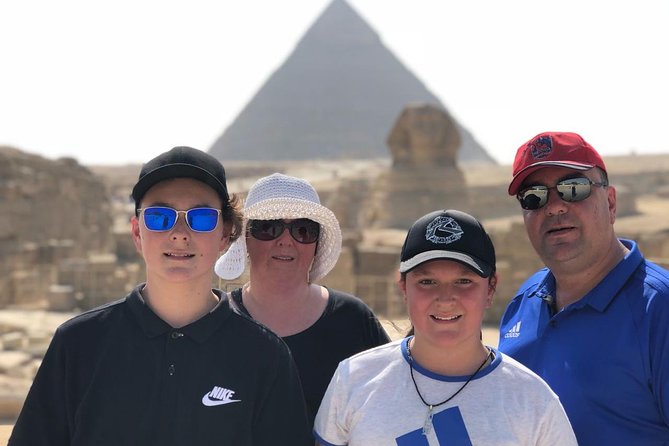
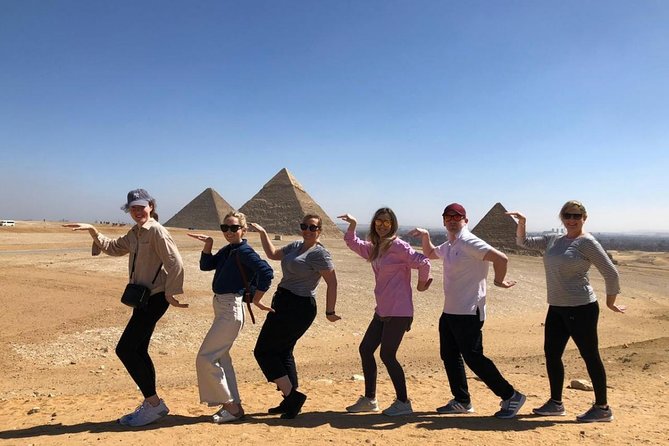
Pickup is scheduled for 8am. At Giza, your guide introduces you to the three major pyramids associated with Cheops, Chephren, and Mycerinus. The Great Pyramid of Cheops is the headline sight, but the group of pyramids works best as a set. Their different sizes, positions, and surviving outer details help you understand that this was a royal cemetery, not a single isolated building.
The panorama area gives you a broad view of the pyramids. This is a useful first stop for families because you can take in the scale before walking closer to the monuments. You will want water, sun protection, and sensible shoes. The supplied water and snacks are helpful, but they do not replace your own preparation for a hot open site.
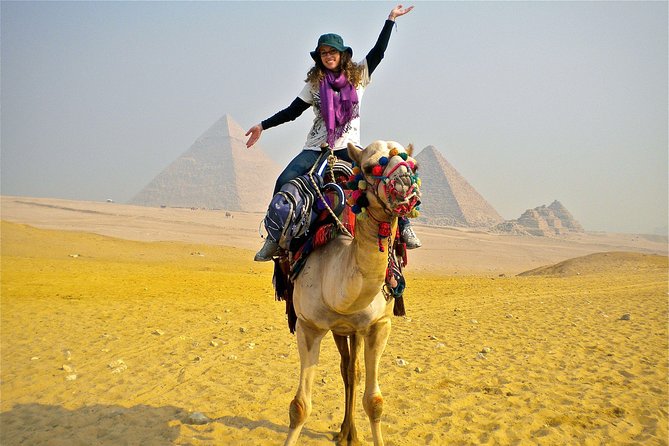
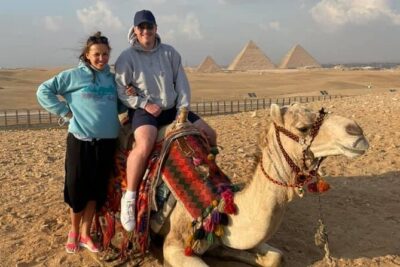
The camel ride takes place in the Sahara desert around the pyramids. It is one of the most memorable parts of the day for many families, especially children, because it changes the experience from looking at the pyramids to seeing them from the back of an animal. The supplied information does not give the ride length or explain how much time is spent with the camels, so I would ask before departure.
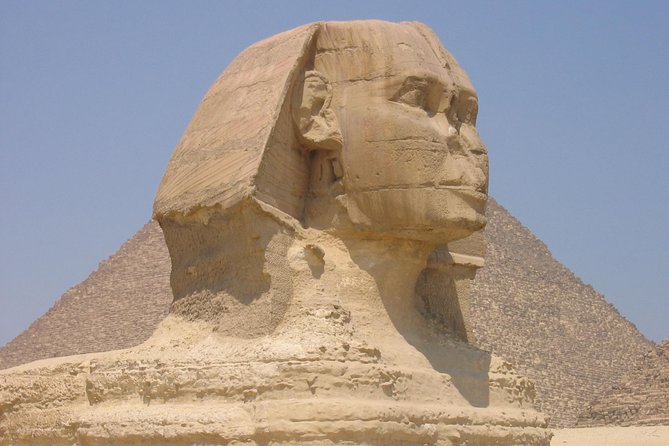
You then visit the Valley Temple and the Great Sphinx. The Valley Temple gives the guide a chance to explain how the pyramid complex functioned, while the Sphinx adds a different kind of spectacle. Its human-headed, lion-bodied form is familiar from photographs, but the close view is more striking than the image suggests.
The Giza portion is listed at about three hours. That is enough for the main sights, the panorama, and the camel activity, but it is not an open-ended exploration of every corner. If you want to enter a pyramid, confirm the ticket and timing in advance, since entrance fees are not included.
Saqqara and the Step Pyramid
From Giza, you continue to Saqqara, one of Egypt’s largest archaeological areas and the cemetery of the former capital. The central sight is the Step Pyramid, an important stage in the development of royal tombs. It looks different from the smooth-sided pyramids at Giza, which makes this stop especially useful after seeing Cheops, Chephren, and Mycerinus.
I like this pairing because you can compare the sites on the same day. Giza shows the pyramid form at its most famous, while Saqqara helps you see an earlier design approach. The guide can turn that visual difference into a clear story for children and adults.
You also visit Noble Tombs. These tombs shift attention away from kings and toward people who held important positions in ancient Egyptian society. Their scenes can offer a more personal view of work, food, family, and daily life than the giant royal monuments do.
Saqqara is scheduled for about three hours. The area is extensive, so you will not see every archaeological feature. Think of this as a focused visit to the Step Pyramid and selected tombs, rather than a complete tour of the entire cemetery.
A few more Giza outings to price up
- Cairo: 3-Day Siwa Oasis Tour, Safari, Camp & Historical Site
★ 4.9 · 80 reviews - 3 Days 2 Nights Visit White Desert & Bahariya From Cairo
★ 4.3 · 17 reviews - From Aswan: 3-Day Cruise to Luxor with Hot Air Balloon
★ 4.3 · 598 reviews - Siwa Oasis All inclusive 3 days Tour from Cairo or Giza
★ 5.0 · 310 reviews
Dahshur and the Bent Pyramid
The final ancient site on day one is Dahshur, with about two hours planned. Here you see the Bent Pyramid and enter the Red Pyramid. This is a strong finish because Dahshur adds another chapter to the development of pyramid construction.
The Bent Pyramid is memorable for its change in angle. It shows that pyramid building involved experimentation and practical problems, not just a perfect plan executed without setbacks. The Red Pyramid gives you the chance to go inside a royal pyramid, which can be exciting but physically demanding.
You should ask your guide about the interior route before entering. The information provided does not specify the conditions inside, so prepare for a confined experience and follow the guide’s advice. Families with small children may want to decide based on comfort rather than treating the interior visit as obligatory.
Day one offers a clear sequence: Giza’s famous pyramids, Saqqara’s Step Pyramid, then Dahshur’s unusual and interior-accessible monuments. It is one of the tour’s strongest features, though also its most demanding day.
Day two: Tutankhamun, Coptic Cairo and the old market
The Egyptian Museum and Tutankhamun’s treasures
Day two begins with another 8am pickup and a visit to the Museum of Egyptian Antiquities. The planned visit lasts about three hours, which gives your guide enough time to point out selected rooms instead of leaving you to wander without context.
The tour specifically includes the animal mummy room, mummy portraits, and King Tutankhamun’s jewelry. These displays cover several different sides of ancient Egyptian life. Animal mummies show religious practice and ritual, mummy portraits bring individual faces closer to you, and Tutankhamun’s jewelry shows the skill and wealth associated with the royal court.
You can also choose the Royal Mummy Rooms for an extra fee. This is a good optional addition for adults and older children who want a closer look at preserved royal remains. Families with younger children may prefer to keep the museum visit focused on the main collections.
Three hours in a museum can be a lot for children. I would use the private guide to keep the visit selective. Ask to see a few important objects well rather than trying to remember every room. The value here comes from explanation and focus, not from rushing through the entire building.
Coptic Cairo and the Fortress of Babylon
The next three-hour stop takes you to Old Cairo. The route includes the Roman Fortress of Babylon, the Hanging Church, the Church of Abu Serga, and the Jewish Synagogue of Ben Ezra.
This section gives you a sharp change from pharaohs and royal tombs. The buildings reflect the religious history of Cairo and show how different communities shaped the city over time. The Hanging Church and Abu Serga are especially useful stops if you want to see Coptic Christian sites as part of your Egypt visit, rather than spending every hour among ancient temples and pyramids.
The Roman Fortress of Babylon provides the setting for this part of Old Cairo. Ben Ezra Synagogue adds another religious tradition to the same compact area. A private guide can help connect the sites, which is useful because the architectural details may not be obvious when you first walk in.
Khan Al-Khalili and an evening in Cairo
The day ends with around two hours at Khan Al-Khalili, Cairo’s famous souq. You can browse souvenirs, walk through the market, and stop for shisha. This is the least scheduled-feeling part of the itinerary, although the market can be busy and sales approaches may be persistent.
I would set a simple family rule before entering: decide what you want to buy, agree on a meeting point, and keep valuables secure. You can enjoy the market more when you are not trying to make every purchase.
The souq is also a chance to see modern Cairo after two days focused on ancient sites. The contrast is valuable. Egypt is not only pyramids and museum cases, and Khan Al-Khalili gives you a street-level experience of the capital.
Day three: Alexandria’s Roman and Mediterranean story
Kom el Shoqafa Catacombs
Day three moves to Alexandria, beginning with the Catacombs of Kom el Shoqafa. The visit is planned for about two hours. This is described as the largest Roman cemetery site in Egypt, and it gives you a different kind of archaeological experience from the open-air pyramid fields.
The catacombs are underground, so you should consider how comfortable your family is with enclosed spaces. The mixed Roman and Egyptian character of the site is part of its appeal. Your guide can help explain how different cultural traditions appeared together in Alexandria.
Pompey’s Pillar
Next comes Pompey’s Pillar, with another two hours scheduled. Despite its name, the column has no connection to Pompey, the Roman general who was killed in Alexandria in 48 BC. That mistaken name is a useful reminder that ancient sites often collect legends long after their original purpose is forgotten.
The column sits on a rocky hilltop. The stop is relatively focused, but the guide’s explanation gives it more value than a quick photo stop. Ask about the name and the Roman setting, since the story behind the label is one of the most interesting facts attached to the monument.
Qaitbay Citadel on the harbor
The Citadel of Qaitbay sits by the Mediterranean at the mouth of Alexandria’s Eastern Harbour. Built in 1477 by Sultan Al-Ashraf Sayf al-Din Qa’it Bay, it is a 15th-century defensive fortress and a welcome change from the Roman and ancient Egyptian sites.
The coastal setting gives you a broader sense of Alexandria as a port city. Inside, you can focus on the fortress layout and its defensive purpose. The itinerary allows about two hours, which should provide time for a guided visit without turning the stop into a rushed photograph.
The name is sometimes written Qaitbay, Kayetbai, or Qait Bay. Do not worry about the spelling when searching for directions. The site is the same fortress at the northern tip of Pharos Island.
Bibliotheca Alexandrina
The last stop is Bibliotheca Alexandrina, with about two hours for a guided visit. The tour description highlights the museums inside, Roman material, and the library’s role in preserving and sharing Egyptian learning.
This is a fitting final stop because it connects the ancient world with modern Egypt. After seeing cemeteries, columns, and a medieval fortress, you end at a major cultural institution built around books, museums, and public learning.
The exact museum areas included are not specified, so ask your guide what the visit covers that day. Admission fees are also not included, so confirm the cost before setting out.
What the $120 price really covers
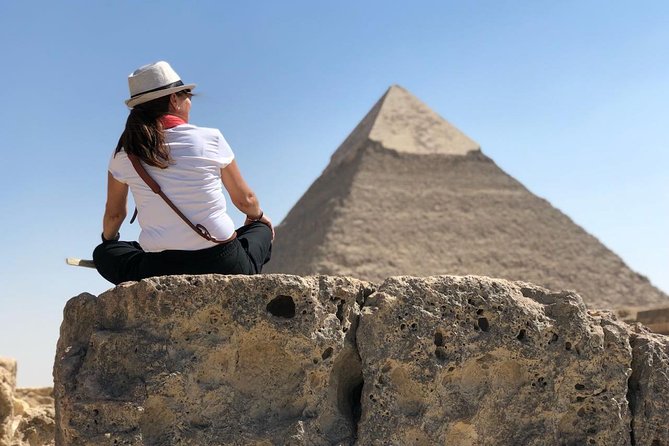
At $120 per person, the tour offers good value for a private three-day arrangement if you want transport, a guide, and meals handled together. You receive bottled water, daily snacks, three lunches, private transportation in modern cars, a qualified Egyptologist guide, and all fees and taxes listed by the operator.
The private format is the biggest value point. A family can keep questions flowing, avoid a large coach, and spend more time at the places that interest you. It also reduces the planning burden across Giza, Saqqara, Dahshur, Cairo, and Alexandria.
The missing piece is admission. The price does not include entrance fees, and the Royal Mummy Rooms cost extra. The camel ride is highlighted as part of the experience, while the included-cost list does not spell out every activity charge. I would ask directly if the camel ride, any pyramid interiors, and the Alexandria sites carry separate fees.
A felucca cruise is also highlighted, but the daily route does not identify when it takes place. Ask for its exact day, location, duration, and inclusions. This is a small point, but it prevents confusion when you are trying to plan three full days.
Who should book this tour?
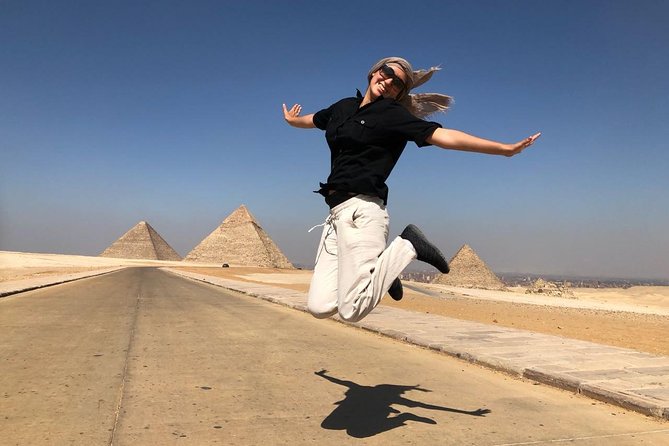
I would recommend it most to families and small private groups who want the major northern Egypt sights without arranging several separate excursions. It suits you if you value a personal guide, want transport between distant archaeological areas, and prefer a fixed plan.
It is less suitable if you want slow mornings or long unplanned periods. Day one is packed, and day three combines a different city with four major stops. You should also think carefully about entrance costs before comparing the $120 price with other options.
The 8am start is practical for making progress before the day grows too hot, but it means you need to be ready early each morning. Children must be accompanied by an adult, and most people can participate. The private format is a useful advantage for families, yet the supplier’s communication deserves attention because one recorded complaint involved no hotel pickup and no contact from the agent.
I would confirm the hotel name, pickup location, start time, driver contact, and guide contact in writing. Free cancellation is available until 24 hours before the start, but changes or cancellations inside that period are not accepted for a refund.
Should you book it?
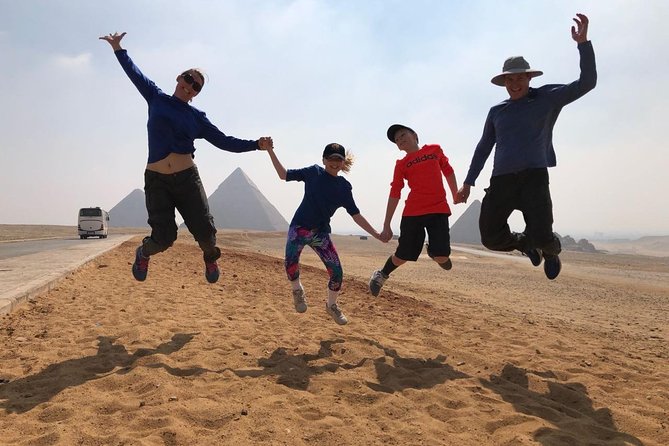
Book this tour if you want maximum ancient Egypt in three organized days and like the comfort of a private car and guide. The route is unusually broad: Giza, Saqqara, Dahshur, the Egyptian Museum, Coptic Cairo, Khan Al-Khalili, Roman Alexandria, Qaitbay Citadel, and Bibliotheca Alexandrina.
I would book only after confirming the pickup and the full admission budget. If those details are clear, $120 per person is a persuasive price for the transport, guide, snacks, water, and lunches included. If your family needs a gentle pace, ask to adjust the schedule, especially on day one.
FAQ
What time does the tour start?
Pickup is scheduled for 8:00am each day.
Is this a private tour?
Yes. Only your group participates, with private transportation and a private guide.
Are entrance fees included?
No. Entrance fees are not included in the tour price. The Royal Mummy Rooms at the Egyptian Museum also require an extra fee.
Is a camel ride included?
A camel ride around the Giza pyramids is highlighted as part of the experience. The available information does not state its duration, so confirm the details before departure.
Are meals and refreshments provided?
Three lunches, daily snacks, and bottled water are included.
Can I cancel for a full refund?
Yes, if you cancel at least 24 hours before the experience start time. Cancellations or changes made less than 24 hours before the start are not accepted for a refund.
Newly listed around Giza
- Full Day Trip from Cairo to Luxor★ 5.0 · 16 reviews
- VIP Tour inside Giza Pyramids★ 4.5 · 103 reviews
- Private guide’s trip to Giza pyramids, Great sphinx valley temple★ 5.0 · 37 reviews
- Private half Day Tour to the Great 3 Pyramids of Egypt★ 5.0 · 15 reviews
- Full-Day Private Tour to Giza Pyramids, Sphinx, Memphis & Saqqara★ 5.0 · 106 reviews
- Unique Tour to The Grand Egyptian Museum and 12 main galleries★ 4.0 · 38 reviews
- Elite Boats Tour in Cairo & Giza with Drinks Included★ 4.5 · 15 reviews
- Sunset & Night Open Air Nile Cruise in Cairo & Giza★ 5.0 · 158 reviews
Saqqara and Memphis Tours, compared.
VIP All inclusive Best of the best Giza Pyramids,Sakkara,Memphis
Read our review →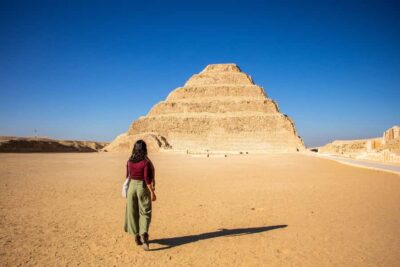
Pyramids of Giza, Sphinx, Saqqara & Memphis Tour
Read our review →
Private Day Tour Giza Pyramids, Sphinx, Memphis, and Saqqara
Read our review →
Private tour: GIza Pyramids, Memphis City & Sakkara Pyramid
Read our review →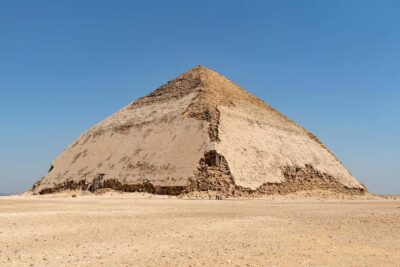
Sakkara, Memphis & Dahshur (Pyramid & Felucca Options)
Read our review →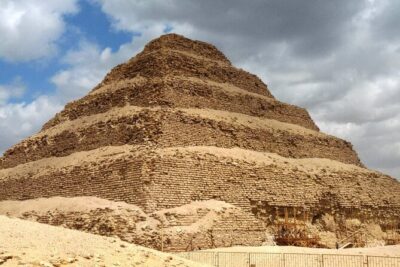
Private Full-Day Tour to Giza Pyramids,Sphinx,Memphis, and Saqqara
Read our review →
All-inclusive Private Trip Giza Pyramids Sphinx Saqqara, Dahshur
Read our review →Browse the lists this tour appears in