
Reviewed · SAFARI
2 Days in Giza, Cairo and Safari in Faiyum
The ancient world meets open desert. This two-day private tour pairs Cairo’s essential sights with a very different day in Faiyum, where lakes, waterfalls, fossil beds, and a pottery village replace city traffic. I like the Egyptologist guide, who can add meaning to the pyramids and museum, and I like the private transport, which lets your group set a comfortable pace. The main drawback is distance: Faiyum is about 95 kilometers from Cairo, and the second day involves a long drive plus time outdoors.
The $239 per-person price covers entrance fees, an air-conditioned vehicle, a 4×4 Jeep for the safari, an Egyptologist guide, and lunch. That is a fair package for a private two-day experience, especially if you are traveling with family or friends. Still, check exactly what the lunch wording means, and remember that entering the pyramids costs extra.
In This Review
- What makes this two-day Egypt tour worth considering
- Giza’s three pyramids and the Great Sphinx
- The Egyptian Museum after the pyramids
- Khan el Khalili and Cairo’s older market streets
- The drive from Cairo to Qarun Lake
- Wadi al-Rayan’s lakes and waterfalls
- Wadi al-Hitan, where whales became fossils
- Tunis Village and the pottery tradition
- Guides, drivers, and the private-tour advantage
- Is $239 a good value?
- Who should book this experience?
- Final decision
- FAQ
- What is included in the $239 tour price?
- Is entry inside the Giza pyramids included?
- What time does the tour start?
- Is this a private tour?
- How far is Faiyum from Cairo?
- What happens if bad weather cancels the Faiyum day?
What makes this two-day Egypt tour worth considering
- The Great Pyramid and two neighboring pyramids give you the essential Giza story in one morning.
- A private guide and driver make the schedule more flexible than a large coach tour.
- Khan el Khalili adds Cairo street life, shopping, old buildings, and mosques after the major monuments.
- Faiyum changes the mood completely, from crowded Cairo to lakes, desert, waterfalls, and wide open views.
- Wadi al-Hitan brings an unusual natural history stop, with fossilized whale remains in a former seabed.
- Tunis Village offers a gentler close to the safari day, with pottery shops and working artisans.
Giza’s three pyramids and the Great Sphinx
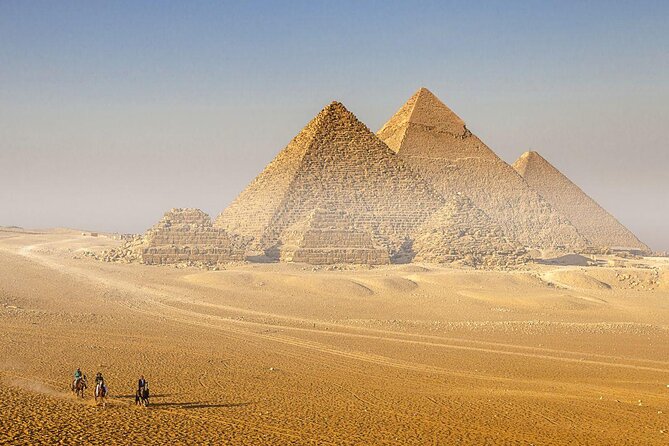
Start at 8:00 a.m. with the Giza Plateau, the part of Cairo sightseeing that most people have pictured long before arriving in Egypt. You will see the Pyramid of Cheops, also called the Great Pyramid, dating to about 2500 B.C., followed by the Pyramid of Chephren and the smaller Pyramid of Mycerinus.
The value of a guide here is not simply knowing the names. A good guide can explain why the pyramids were built, how the ancient builders organized such enormous work, and how the three monuments relate to one another. Mimo is repeatedly praised for explaining Egyptian history clearly, answering questions patiently, and helping visitors understand more than the usual photo stop.
You have about two hours at the pyramids. That is enough for an introduction, views of the three main structures, and time at the Great Sphinx, but it is not an unlimited archaeological visit. The Sphinx is presented as the guardian of the plateau, and its scale becomes easier to appreciate when you move beyond the standard front-facing photograph.
The tour includes the general admission fee. Going inside the pyramids is not included, so budget extra if you want to enter one. Interior passages can be narrow and physically demanding, making the moderate fitness requirement relevant. If you prefer to stay outside, the exterior views still provide the main experience.
The Giza site can be hot, bright, and tiring. Bring water, wear practical shoes, and use the air-conditioned vehicle as a chance to cool down between stops. Several strong accounts of this tour praise the drivers for handling Cairo traffic well and getting groups to each attraction safely and comfortably. That matters in a city where the drive can be as demanding as the sightseeing.
A few more Cairo outings to price up
- From Cairo: Desert Safari, Camel Ride, Magic Lake, & Lunch
★ 4.9 · 1,273 reviews - Pyramids of Giza: 1-Hour Quad Bike Desert Safari
★ 4.5 · 930 reviews - From Cairo 4×4 Safari, Camel Ride, Magic Lake, Waterfalls & Lunch
★ 5.0 · 390 reviews
The Egyptian Museum after the pyramids
The second stop lasts about two hours at the Museum of Egyptian Antiquities. Its collection includes more than 100,000 ancient Egyptian objects, from small amulets and household tools to enormous statues.
This is a useful pairing with Giza. At the pyramids, you see monumental tombs in their original setting. At the museum, you see the objects and artistic details that show how ancient Egyptian life worked at a smaller scale. The contrast helps keep the day from becoming a blur of stone, dates, and royal names.
Two hours gives you a strong first look, not a complete museum visit. The collection is large enough that you should ask your guide to help you focus on the sections or objects most important to you. Mimo has been praised for turning the museum into a clear, interesting lesson rather than a room-by-room march.
The schedule can feel full if the pyramid visit runs long. A private tour helps because you are not managing a large group, and several visitors have appreciated being able to spend more time at places that interested them. Still, you should tell the guide early if you care more about the museum than shopping or the market.
Lunch is included in the tour package. The supplied information refers to lunch twice, so I would confirm whether lunch is provided on both days or whether the wording simply reflects a package detail. One useful tip is to carry extra water and some Egyptian pounds for small purchases, drinks, and market shopping.
Khan el Khalili and Cairo’s older market streets
The final stop on day one is Khan el Khalili, with about an hour to explore. The market dates back roughly 1,000 years and occupies a maze of old buildings, shops, and mosques.
This stop works best as a change of pace. You have spent the morning with royal monuments and museum objects. Now you can walk among merchants, browse souvenirs, and see a more social side of Cairo. The market is not just a place to buy things. Its old lanes and buildings give you a sense of Cairo as a lived-in historic city.
An hour is enough to look around, but it is short if you want to shop carefully. Prices are not fixed in every shop, so take your time, compare items, and negotiate politely. The tour may also include stops at shops recommended by the guide. That can be useful if you want context or help choosing a purchase, but you should feel free to say no if you are not interested.
The market can be a lot after the pyramids and museum. If you are tired, treat it as a brief walk rather than another major attraction. If you enjoy shopping and street scenes, you may wish the hour were longer.
The drive from Cairo to Qarun Lake
Day two begins with pickup from your Cairo hotel in an air-conditioned 4×4 vehicle. The drive to Faiyum is about 95 kilometers. Tea, coffee, snacks, and breaks are part of the planned journey, but you should still bring water and something small to eat.
Qarun Lake is the first stop, with about 30 minutes set aside. The site connects the modern setting with the ancient cult of Sobek, the crocodile god. The area was revered as a center of that worship, giving the lake more meaning than a quick scenic pause.
This stop is brief, so think of it as an introduction to Faiyum rather than a full lake outing. The long drive is the tradeoff for seeing a part of Egypt that is very different from Cairo. If your priority is only the pyramids, this second day may feel too far afield. If you want nature and ancient history together, the change is worthwhile.
The 4×4 is important because the day moves beyond ordinary city touring. You will spend time outside and may walk on uneven ground. A moderate fitness level is required, and comfortable shoes are a sensible choice.
Same base, a completely different sort of day:
- Cairo: Pyramids & Great Sphinx Private Tour with Camel Ride
★ 4.9 · 6,335 reviews - Tour to Giza Pyramids and The Egyptian Museum
★ 5.0 · 6,016 reviews - VIP All inclusive Best of the best Giza Pyramids,Sakkara,Memphis
★ 5.0 · 3,164 reviews - From Cairo: Pyramids of Giza, Sphinx, Saqqara & Memphis Tour
★ 4.7 · 3,110 reviews
Wadi al-Rayan’s lakes and waterfalls
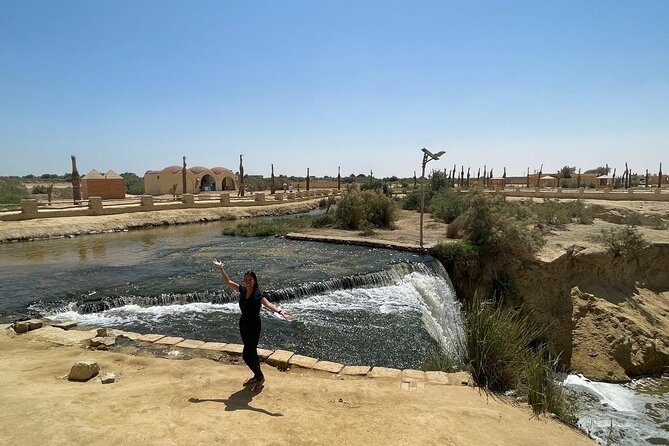
Next comes Wadi al-Rayan, a protected area with lakes, waterfalls, and natural scenery. You have about an hour here, enough for a walk and a chance to relax away from Cairo.
The waterfalls are an unexpected feature in a desert region, and they give the day a welcome visual change. After the drive, this is a good place to slow down, take photographs, and enjoy the setting without trying to fill every minute with historical facts.
The description of this stop does not give exact walking distances or explain how far you will travel within the protected area. That is worth asking about before departure if you have mobility concerns or want a more active outing. The moderate fitness requirement suggests some walking, but the exact level may depend on the route used that day.
Your admission fee is included. Since weather can affect the experience, the operator requires suitable conditions and offers another date or a full refund if poor weather causes cancellation.
Wadi al-Hitan, where whales became fossils
The most unusual stop on day two is Wadi al-Hitan, the Valley of the Whales. This UNESCO World Heritage Site was designated in July 2005 and contains fossilized remains of ancient whale species.
The setting gives the visit its force. You are looking at evidence of a time when this desert was covered by water. Fossilized bones show how dramatically the region has changed, and they offer a natural history lesson quite unlike the royal tombs and statues seen on day one.
About two hours are planned here, making it the longest stop in Faiyum. That is sensible. The site needs time for walking, viewing the fossils, and understanding why they are found in the desert. It also gives you a pause from the road before the final village visit.
The description refers to fossils from enormous ancient creatures and mentions other large animals associated with the area. Your guide should help separate the different species and explain what you are actually seeing. This is another moment when a well-informed Egyptologist adds real value, since the bones may not speak for themselves to a first-time visitor.
The sun can be strong, and shade may be limited. Bring water, sun protection, and shoes suited to walking outdoors. The site is a poor fit if you want a purely relaxed vehicle-based safari, but it is an excellent choice if you enjoy unusual places with a clear story.
Tunis Village and the pottery tradition
The final stop is Tunis Village, a welcoming settlement known for pottery workshops and a community of artisans. You have about an hour to walk around, visit pottery shops, watch young craftspeople at work, and try making pottery yourself if the opportunity is available.
This is a more personal ending than another monument. You can see how local creative work supports the identity of the village, and you may find a useful souvenir that has a stronger connection to the area than a mass-produced trinket.
The village also has a surprising range of trees, shrubs, and gardens. Plants mentioned include bottle brush trees, silk cotton trees, roses, pomegranate, olive, orange, and lemon trees. These details make Tunis feel different from the bare desert areas visited earlier.
Shopping is part of the appeal, but it is not compulsory. Browse first, ask about prices, and buy only what you genuinely want. An hour goes quickly if you are interested in pottery, so tell your guide if you would rather spend more time with the artisans than make a quick purchase.
Guides, drivers, and the private-tour advantage
The most praised part of this experience is the human service. Mimo is singled out for strong historical explanations, patience, friendliness, and help with photographs. Drivers including Hossam, Haroun, Yaser, Ayman, Redar, Abdolghany, Mohamed, Oss, and Belal are described as careful, helpful, and skilled at managing traffic.
The names vary because the operator may assign different teams. You should not assume Mimo or a particular driver will be available unless that is confirmed when you book. Still, the repeated pattern is encouraging: the guide handles the history and the driver handles the difficult roads, while both help the day run smoothly.
Because this is a private activity, only your group participates. That is a major benefit for families, couples, and small groups with different interests. You can ask more questions, adjust the pace where possible, and avoid waiting for strangers at every stop.
There is a small contradiction in the information: the tour includes group discounts but is also described as private. Ask about the discount for your group size before paying. A private tour does not automatically mean every timing choice is flexible, especially at sites with fixed opening hours or a long drive between Cairo and Faiyum.
Is $239 a good value?
At $239 per person, the package is not the cheapest way to see Cairo. It includes much more than a basic pyramid transfer, though. You receive two days of transport, an Egyptologist guide, admission fees for the listed sites, an air-conditioned vehicle, a 4×4 Jeep, and lunch.
The price makes the most sense when split among a small private group, especially if you value direct explanations and door-to-door pickup. It also saves you from arranging a separate Faiyum excursion, finding a 4×4, and working out entrance fees yourself.
The main extra cost is entry inside the Giza pyramids. Personal spending at Khan el Khalili and Tunis Village is also separate. Carry Egyptian pounds, as one practical account specifically advises, and keep money available for drinks, snacks, and purchases.
Who should book this experience?
I would choose this tour if you want the classic Cairo sights but do not want to spend both days in the city. It suits first-time visitors who want a guide to explain the monuments, couples or families who prefer a private vehicle, and anyone curious about fossils, lakes, waterfalls, and crafts.
It is less suitable if you dislike long drives, want a slow museum-focused visit, or have difficulty walking outdoors. Day one is full, and day two combines road time with several stops. You should also be comfortable with heat, open spaces, and a moderate level of physical activity.
The two-day format is the better choice. Some people have completed the Cairo highlights in roughly eight hours, but that version is fast. Separating Giza, the museum, and Khan el Khalili from Faiyum gives each day a clearer purpose and avoids turning the pyramids into a rushed checkbox.
Final decision
Book it if you want a broad first taste of Egypt: royal monuments, museum treasures, an old Cairo market, desert lakes, waterfalls, whale fossils, and village pottery. The guide and driver service appear to be the strongest part of the package, and the private format adds comfort and control.
Skip it if your main goal is a slow, detailed museum visit or if Faiyum feels too far for a two-day stay. Before booking, confirm the assigned guide, the number of lunches included, the group discount, and the extra pyramid-entry fees. For most first-time visitors with limited time, the mix of famous sights and less expected places makes this a practical and memorable choice.
FAQ
What is included in the $239 tour price?
The tour includes entrance fees, a qualified Egyptologist tour guide, an air-conditioned vehicle, a 4×4 Jeep for the safari, and lunch. The information also lists lunch twice, so confirm the exact lunch arrangement before booking.
Is entry inside the Giza pyramids included?
No. Extra entrance fees for going inside the Giza pyramids are not included in the tour price.
What time does the tour start?
Pickup and the tour start at 8:00 a.m.
Is this a private tour?
Yes. Only your group participates in this private tour or activity.
How far is Faiyum from Cairo?
The drive to Faiyum is about 95 kilometers from Cairo.
What happens if bad weather cancels the Faiyum day?
If poor weather causes cancellation, you will be offered a different date or a full refund. You can also cancel for a full refund if you do so at least 24 hours before the experience starts.
Newly listed around Cairo
- Full Day Trip from Cairo to Luxor★ 5.0 · 16 reviews
- Private guide’s trip to Giza pyramids, Great sphinx valley temple★ 5.0 · 37 reviews
- Private half Day Tour to the Great 3 Pyramids of Egypt★ 5.0 · 15 reviews
- VIP Tour inside Giza Pyramids★ 4.5 · 103 reviews
- Full-Day Private Tour to Giza Pyramids, Sphinx, Memphis & Saqqara★ 5.0 · 106 reviews
- Unique Tour to The Grand Egyptian Museum and 12 main galleries★ 4.0 · 38 reviews
- Elite Boats Tour in Cairo & Giza with Drinks Included★ 4.5 · 15 reviews
- Sunset & Night Open Air Nile Cruise in Cairo & Giza★ 5.0 · 158 reviews
Safari, compared.

Quad Bike, Sea, Camel, Safari, Stargazing & Dinner
Read our review →
Desert Safari, Camel Ride, Magic Lake, & Lunch
Read our review →
Pyramids of Giza: 1-Hour Quad Bike Desert Safari
Read our review →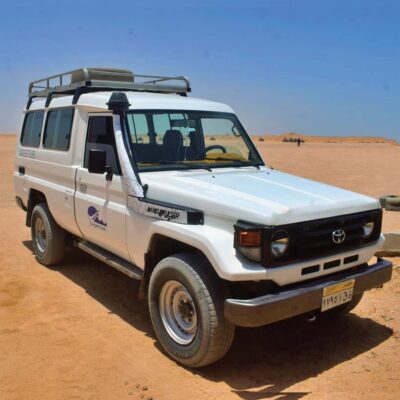
Safari Jeep, Quad, Buggy, Camel Ride & BBQ Dinner
Read our review →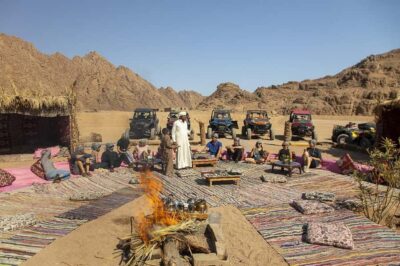
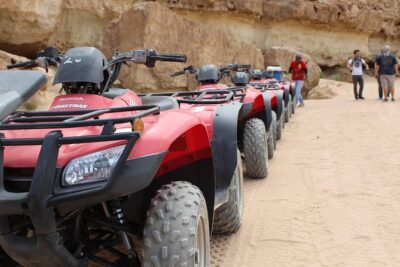

ATV Quad Safari, Camel Ride & Bedouin Village Tour
Read our review →Browse the lists this tour appears in