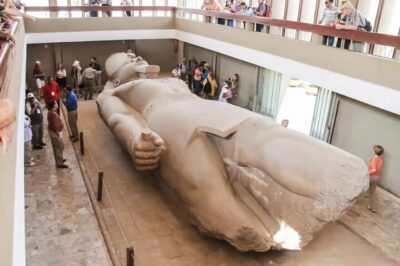
Reviewed · GIZA PYRAMIDS TOURS
12 Days all Egypt Cairo pyramid cruise Hurghada
Egypt rewards an ambitious itinerary. This 12-day trip links Cairo, Giza, Luxor, Aswan, Hurghada, and the Nile in one carefully packed route. I like the mix of major ancient sites and slower sailing time on a five-star cruise, and I like that the tour handles hotels, many meals, transfers, trains, and guides in one package. The main tradeoff is the pace: several days involve long transfers, early starts, or overnight rail travel.
You can also add Abu Simbel, a hot-air balloon ride, Alexandria, Old Cairo, and other sites for extra cost. The English-speaking guides and drivers receive especially strong praise, with Hassan singled out for arranging a flexible trip and guides such as Ismail and Ahmed thanked for making the history easier to follow. Just check the flight and transfer details carefully before paying, since some parts of the schedule show alternate transport options.
In This Review
- Key points to know before booking
- What $1,800 buys you across Egypt
- Day 1: A simple arrival in Cairo or Giza
- Day 2: Giza, the Sphinx, and Cairo’s museum
- Day 3: Luxor’s temples and the cruise ship
- Day 4: Royal tombs and a slow afternoon on the river
- Day 5: Edfu and Kom Ombo by river
- Day 6: A felucca ride and free time in Aswan
- Day 7: Philae, rail connections, and a change of pace
- Day 8: From Luxor to Hurghada
- Day 9: A full Red Sea rest day
- Day 10: Returning to Cairo
- Day 11: A useful pause in Giza
- Day 12: Airport drop-off and practical details
- The real drawbacks to weigh
- Who should book this Egypt tour?
- FAQ
- How long is the Egypt tour?
- Which cities and regions are included?
- Is a Nile cruise included?
- Are entrance fees included?
- Is Abu Simbel part of the base itinerary?
- What meals are included?
- Is transportation between Cairo and Luxor included?
- What languages are available for the guide?
- Should you book it?
Key points to know before booking
- Egypt’s headline sights in one trip: Giza, the Sphinx, the Egyptian Museum, Karnak, Luxor Temple, the Valley of the Kings, Philae, Edfu, and Kom Ombo are all included in the route.
- Four nights on the Nile: The cruise covers the classic stretch between Luxor and Aswan, with meals, afternoon tea, and time to watch the river drift past.
- A real range of travel styles: You will use private transfers, a sleeper train, a cruise ship, a shuttle bus, and possibly domestic flights.
- Two nights at an all-inclusive Red Sea resort: Hurghada gives you a needed pause after the temple schedule.
- Entrance fees are extra: The $1,800 price covers a great deal, but most ancient-site admission charges are paid separately.
- The schedule needs confirmation: The written plan includes both a sleeper train and a Cairo to Luxor flight on the same transition, so ask which version applies to your booking.
What $1,800 buys you across Egypt
At $1,800 per person, this is not a simple sightseeing day package. It is a large, multi-city arrangement with three nights at a four-star hotel in Giza, one night at a four-star Luxor hotel, two nights at the Sindbad Club resort in Hurghada, and four nights on a five-star deluxe Nile ship.
The price also includes breakfast throughout the trip, seven dinners, eight lunches, a lunch during the Giza visit, bottled water on tours, hotel Wi-Fi, resort Wi-Fi, and meals on the cruise. At the Red Sea resort, drinks are included from 8 a.m. to midnight. The cruise adds tea, coffee, and cake in the afternoon while sailing.
That is a useful bundle if you want one company to coordinate the moving parts. Egypt travel often involves several separate bookings, so having drivers, train seats, hotels, and port transfers arranged can save time and reduce the chance of being stranded at a station or airport.
Still, the price does not cover every cost. Entrance fees for the listed excursions are extra, as are tips for everyone except the guides. Optional outings, language supplements, some private transfers, and one listed flight are also outside the base rate.
For value, I would judge this tour as strongest for someone who wants breadth and convenience. It is less attractive if you prefer to linger at one archaeological site, choose your own restaurants, or travel at a loose pace.
More ways to see the Pyramids and the Sphinx:
- Cairo: Pyramids & Great Sphinx Private Tour with Camel Ride
★ 4.9 · 6,335 reviews - Tour to Giza Pyramids and The Egyptian Museum
★ 5.0 · 6,016 reviews - VIP All inclusive Best of the best Giza Pyramids,Sakkara,Memphis
★ 5.0 · 3,164 reviews
Day 1: A simple arrival in Cairo or Giza
The trip begins after midday with pickup from your address in Cairo or Giza, or from Cairo International Airport. The transfer to the Giza hotel takes about 30 minutes.
The first night is intentionally light. That is sensible after an international flight, since the next morning begins with the Pyramids. Your hotel is listed as Tuya Pyramids Inn or Stay Inn Pyramids Hotel, both described as four-star properties.
At booking, you provide a copy of the passport page with your photograph. If the airport is your pickup or final drop-off point, you also provide your flight details. This is a small administrative step, but it matters for a trip with so many transfers.
Day 2: Giza, the Sphinx, and Cairo’s museum
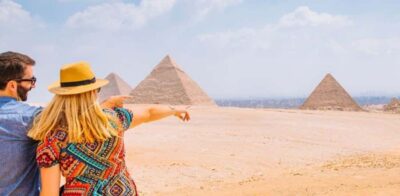
The morning starts around 8 a.m. at the Giza Plateau. The three pyramids are the obvious headline, but the value of a guide here is helping you understand how the site worked as a royal burial complex rather than treating it as a quick photo stop.
You have about two hours at the pyramids. Admission is not included, so budget separately for the government entrance fees. If you want to enter a pyramid, confirm the exact ticket and supplement before the visit.
The Great Sphinx follows, with about 40 minutes at the site. The carved lion body and human head are easy to recognize, but a guide can point out how the monument fits into the larger Giza complex.
A short stop at a papyrus shop shows how paper was made from the papyrus plant. It is free and takes about 20 minutes. Think of this as a demonstration and shopping stop, not a major archaeological visit.
The Egyptian Museum then receives about two hours. It contains more than 100,000 ancient Egyptian objects, according to the tour description, so two hours only gives you a first look. Admission is extra. If you prefer museums to souvenir stops, ask how much time can be shifted toward the collection.
The published schedule then sends you to Giza railway station for a sleeper train to Luxor, listed at about ten hours. Yet the following day also lists a Cairo hotel transfer, Cairo airport pickup, and a flight to Luxor. These appear to be alternate arrangements or a scheduling error. Confirm the actual transport, because this changes both your hotel night and your rest.
Day 3: Luxor’s temples and the cruise ship
The plan places you at Luxor International Airport, followed by a transfer to Karnak Temple. The Cairo to Luxor flight is listed separately from the included transfers, while the exclusions say the flight itself is not included.
Karnak deserves its two-hour visit. This huge temple complex was built over many generations and dedicated chiefly to Amun-Ra. Its columns, courts, and avenues give you a sense of the scale of ancient religious life in Luxor.
Luxor Temple follows for about an hour. It is a more compact visit, and its position in the modern city makes it feel different from Karnak. The tour description associates it with the goddess Mut, though the complex also reflects several periods and rulers.
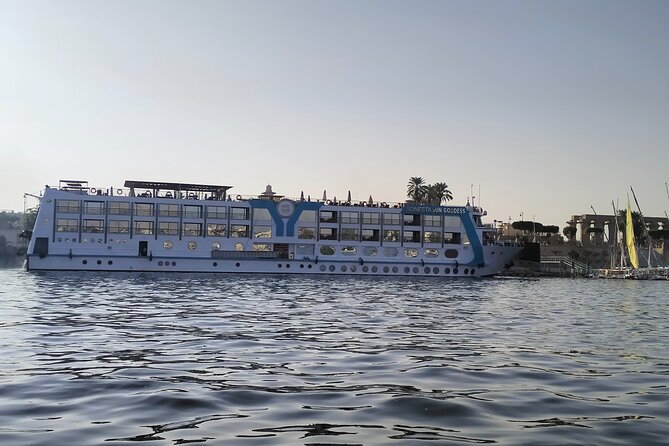
After lunch, you check into the five-star cruise ship. Ships listed include Concerto and Steigenberger Legacy, with substitutions possible if availability changes. The stated standard remains five-star deluxe, but the exact ship can affect cabin layout and onboard facilities.
A few more Cairo outings to price up
- From Cairo: Pyramids of Giza, Sphinx, Saqqara & Memphis Tour
★ 4.7 · 3,110 reviews - Cairo 8 Hour Private Tour of Pyramids, Egyptian Museum and Bazaar
★ 5.0 · 2,931 reviews - From Cairo: Half-Day Tour to Pyramids of Giza and the Sphinx
★ 4.6 · 2,891 reviews - Cairo: Pyramids, Sakkara & Memphis Tour with Lunch
★ 4.6 · 2,493 reviews
Day 4: Royal tombs and a slow afternoon on the river
The Valley of the Kings is the morning centerpiece. You have about two hours among the royal tombs cut into the desert cliffs. Your admission normally covers a set number of tombs, while special tombs can carry additional charges. Ask your guide which interiors are open that day.
The Temple of Hatshepsut takes about an hour. Its broad terraces and cliff setting tell the story of one of Egypt’s most important female rulers. The visit also gives you a break from enclosed tombs and narrow passageways.
You then stop at the Colossi of Memnon for about 20 minutes. These enormous seated statues make a quick roadside visit worthwhile, though the stop is more about scale and photographs than a long exploration.
After lunch, the ship sails. This is one of the smartest features of the schedule. You have time to rest, sit on deck, and watch the Nile instead of spending every hour walking through monuments.
A 20-minute alabaster factory visit shows how stone vessels and statues are made by hand. As with the papyrus stop, it can be useful if you want a craft demonstration, but it is also a shopping opportunity.
The ship continues toward Edfu for about eight hours. This is a pleasant stretch if you treat the cruise as part of the holiday, not merely as transport.
Day 5: Edfu and Kom Ombo by river
At Edfu, you visit the Temple of Horus by horse and carriage. The temple is one of the best-preserved major temples in Egypt and is dedicated to the falcon god Horus. Two hours gives you enough time to see the main courts, columns, and reliefs without rushing.
The horse-and-carriage ride is part of the character of this stop, but it can also feel less comfortable than a vehicle transfer. If this concerns you, ask the local guide what alternatives are possible.
The ship sails for around six hours to Kom Ombo. That time is useful for lunch, a rest, or simply watching village life along the river.
Kom Ombo is unusual because it honors two gods, Horus and Sobek. The connected temple layout makes the visit easy to understand, and the crocodile mummy museum adds a memorable detail. You have about an hour here, so listen closely to the guide before wandering off.
The ship then continues toward Aswan for around four hours. By this stage, the cruise rhythm begins to feel valuable. The sightseeing remains busy, but the river gives you built-in pauses.
Day 6: A felucca ride and free time in Aswan
The afternoon felucca ride lasts about an hour. These simple sailing boats offer a quieter view of the Nile than the large cruise ship, and the short length keeps the outing manageable.
You also have free time in Aswan for the market or for relaxing onboard. This is one of the few parts of the trip with genuine breathing room, so I would resist filling every minute with another paid excursion.
The optional Nubian village visit lasts about four hours. The optional list does not give a price, so confirm the cost and departure time before adding it. Abu Simbel is also available as an optional day trip, lasting about ten hours. It is a major addition, but the long day makes it a serious commitment.
Day 7: Philae, rail connections, and a change of pace
Philae Temple is reached on Philae Island and is dedicated to Isis, one of ancient Egypt’s most important goddesses. The visit lasts about 90 minutes, and admission is extra. The island setting gives this temple a different feel from the inland monuments visited earlier.
The route then includes a perfume and essential-oil bazaar in Aswan. The stop lasts about 30 minutes and focuses on oils made from flowers. It is another commercial visit, so approach it as a short cultural demonstration rather than a required purchase.
The schedule becomes particularly complicated here. It lists a private transfer from Aswan to Luxor, a train departure from Aswan, a sleeper train to Luxor lasting about four hours, and then a transfer to the Jolie Ville Luxor Hotel. It also lists a three-hour private transfer separately and marks that transfer as not included.
Because these details overlap, confirm the final transport plan in writing. You should know if you are sleeping on the train, staying at the hotel, or using both. The listed Luxor hotel is Iberotel, while another section names Jolie Ville Luxor Hotel, so the exact overnight property also deserves confirmation.
Day 8: From Luxor to Hurghada
The move to Hurghada takes much of the day. The shuttle bus from Luxor to Hurghada is listed at about five hours, with additional transfers to the bus station and resort.
A private transfer is also listed as an option, taking about three hours and costing extra. The same applies to a private transfer from Luxor to Hurghada with a stop at Dendera Temple. If you want more comfort or a special temple visit, this is the point to ask about upgrading.
At Hurghada, you check into Sindbad Club. The two-night stay is all inclusive, with breakfast, lunch, dinner, and drinks from 8 a.m. to midnight. The resort is a useful counterweight to the archaeology-heavy first week.
Day 9: A full Red Sea rest day
The ninth day is deliberately open. You have about nine hours to enjoy the resort, use the facilities, and recover from the long rail and road connections.
No sightseeing is scheduled, and that is a good thing. After Giza, Luxor, Edfu, Kom Ombo, Aswan, and Philae, you may appreciate a day without a guide, a ticket line, or a temple explanation.
The plan does not include a specific snorkeling or diving trip, so do not assume water activities are part of the package. This is a resort day, not a dedicated Red Sea excursion.
Day 10: Returning to Cairo
You have several possible ways back to Cairo. The land route uses a shuttle bus from Hurghada to Cairo, listed at about eight hours, followed by a transfer to the Giza hotel.
A private road transfer is listed at about six hours and costs extra. A flight from Hurghada to Cairo is also listed at about one hour and 15 minutes, but the flight itself is not included. Airport transfers are included when specified, but the air ticket needs separate confirmation.
The long bus ride is cheaper within the package but consumes most of the day. The flight saves time, while the private car offers a door-to-door option. Ask for the current price of each before deciding.
Day 11: A useful pause in Giza
The final full day is free at the Giza hotel. You can keep it simple, or add one of the optional Cairo programs.
Options include Old Cairo, the Citadel, and Khan el-Khalili in about five hours; the Grand Egyptian Museum and the Museum of Egyptian Civilization in about five hours; or the Step Pyramid, Memphis, and Dahshur in about seven hours.
Alexandria is a much longer optional day trip at about ten hours. It includes the city’s famous library area in the overall description, but the exact Alexandria sightseeing schedule is not provided, so confirm what is covered.
This free day is also a safety valve. If a delayed train, flight, or transfer shifts the schedule, you have some room before departure.
Day 12: Airport drop-off and practical details
The tour ends with a roughly 30-minute transfer from your Giza hotel to your address in Cairo or Giza, or to Cairo International Airport. The stated finish can be as late as 9 p.m. at the final pickup location, so provide your return flight information well ahead of time.
The group can include up to 20 people. That is small enough to be manageable, though not a private tour. English guiding is included, and French, German, Spanish, Italian, and Dutch guides require an extra supplement.
Vegetarian, vegan, gluten-free, and other dietary needs can be accommodated if you state them when booking. Drivers are described as professional, and the strongest praise is aimed at the coordination, pickups, and guides. Hassan is particularly noted for customizing arrangements, while Ismail and Ahmed receive direct thanks for their work.
The real drawbacks to weigh
The biggest issue is not the number of sights. It is the amount of transport. Sleeper trains, buses, airport transfers, and long road journeys can make this feel like a logistical project as much as a holiday.
The admission-fee structure also makes the headline price less final than it first appears. You should set aside money for the pyramids, Sphinx, museum, temples, Valley of the Kings, and Philae, along with tips and any optional visits.
The schedule contains several conflicting transport notes. Cairo to Luxor appears as both sleeper train and flight. Aswan to Luxor includes overlapping rail and road details. Hurghada to Cairo has bus, private car, and flight choices. These are manageable if clarified early, but you should not leave them until arrival.
Free cancellation is available up to 24 hours before the start time. Inside that window, the payment is not refunded, and changes are not accepted. Poor weather can lead to a new date or a full refund.
Who should book this Egypt tour?
I would choose this trip if you want to see Egypt’s main ancient sites without arranging every hotel, transfer, train, meal, and port connection yourself. It suits first-time visitors who value support, enjoy a full schedule, and like having an English-speaking guide explain what they are seeing.
It is also a good match for couples or families who want a resort break built into a cultural trip. The two nights in Hurghada and the free day in Giza prevent the entire journey from becoming one long succession of temples.
I would hesitate if you dislike overnight trains, long bus rides, shopping stops, or changing hotels. I would also ask for a corrected day-by-day transport plan before booking, especially if you are traveling with limited time or need a firm flight schedule.
FAQ
How long is the Egypt tour?
The tour lasts 12 days, beginning after midday on the first day and ending with drop-off in Cairo, Giza, or at Cairo International Airport on the final day.
Which cities and regions are included?
The route includes Cairo, Giza, Luxor, Edfu, Kom Ombo, Aswan, and Hurghada. Alexandria is offered as an optional day tour.
Is a Nile cruise included?
Yes. Four nights on a five-star deluxe Nile cruise ship are included, with breakfast, lunch, dinner, and afternoon tea, coffee, and cake while the ship is sailing.
Are entrance fees included?
No. Government entrance fees for the listed excursions are not included and must be paid separately.
Is Abu Simbel part of the base itinerary?
No. Abu Simbel is an optional day trip lasting about 10 hours.
What meals are included?
The package includes 11 breakfasts, seven dinners, and eight lunches. The cruise and Red Sea resort include meals as specified, and the Giza pyramid visit includes lunch.
Is transportation between Cairo and Luxor included?
The schedule lists a sleeper train and also a Cairo to Luxor flight. The exclusions say the Cairo to Luxor flight is not included, so you should confirm which transport arrangement applies to your booking.
What languages are available for the guide?
English guiding is included. French, German, Spanish, Italian, and Dutch guides are available for an extra supplement.
Should you book it?
Book this tour if your priority is seeing a wide range of Egypt in one organized trip, with the Pyramids, royal tombs, major temples, Nile sailing, and a Red Sea resort all covered. Its strongest qualities are the broad route, steady support from drivers and guides, and the way meals and accommodation are bundled.
Before committing, ask for the final hotel names, the exact Cairo to Luxor and Aswan to Luxor transport, the cost of entrance fees, and the price of any flight or private transfer. If those details are clear, $1,800 can be a practical value for a first Egypt visit. If you want slow mornings and long museum visits, choose a shorter route with fewer stops instead.
Newly listed around Cairo
- Full Day Trip from Cairo to Luxor★ 5.0 · 16 reviews
- Private guide’s trip to Giza pyramids, Great sphinx valley temple★ 5.0 · 37 reviews
- Private half Day Tour to the Great 3 Pyramids of Egypt★ 5.0 · 15 reviews
- VIP Tour inside Giza Pyramids★ 4.5 · 103 reviews
- Full-Day Private Tour to Giza Pyramids, Sphinx, Memphis & Saqqara★ 5.0 · 106 reviews
- Unique Tour to The Grand Egyptian Museum and 12 main galleries★ 4.0 · 38 reviews
- Elite Boats Tour in Cairo & Giza with Drinks Included★ 4.5 · 15 reviews
- Sunset & Night Open Air Nile Cruise in Cairo & Giza★ 5.0 · 158 reviews
Giza Pyramids Tours, compared.
Pyramids & Great Sphinx Private Tour with Camel Ride
Read our review →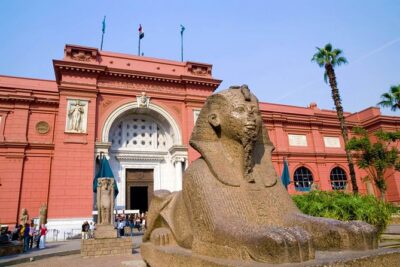
Tour to Giza Pyramids and The Egyptian Museum
Read our review →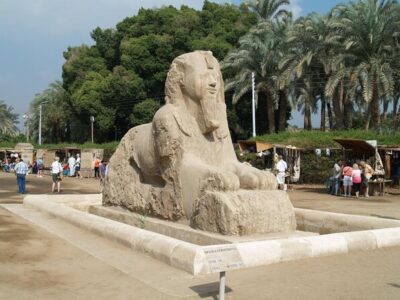
VIP All inclusive Best of the best Giza Pyramids,Sakkara,Memphis
Read our review →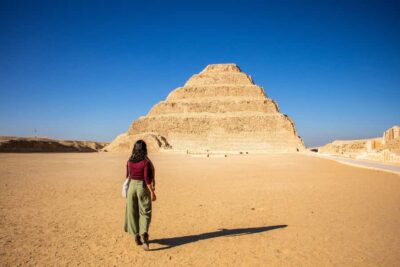
Pyramids of Giza, Sphinx, Saqqara & Memphis Tour
Read our review →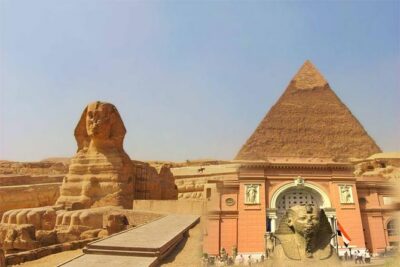
Cairo 8 Hour Private Tour of Pyramids, Egyptian Museum and Bazaar
Read our review →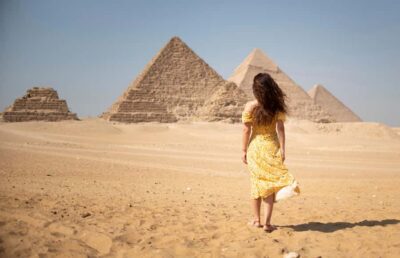
Half-Day Tour to Pyramids of Giza and the Sphinx
Read our review →